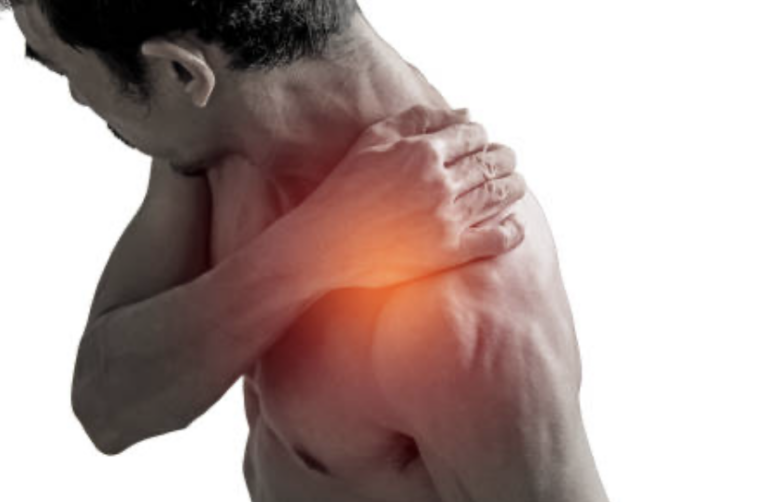

Most padel matches in Dubai start the same way. Everyone arrives straight from work, changes shoes in the car park, hits a few practice serves, and starts keeping score within five minutes. It is understandable, court time is booked, the group is waiting, and nobody wants to be the person holding things up with stretches. But this rushed start is one of the most consistent patterns behind the elbow, shoulder and calf injuries that show up in clinic week after week.
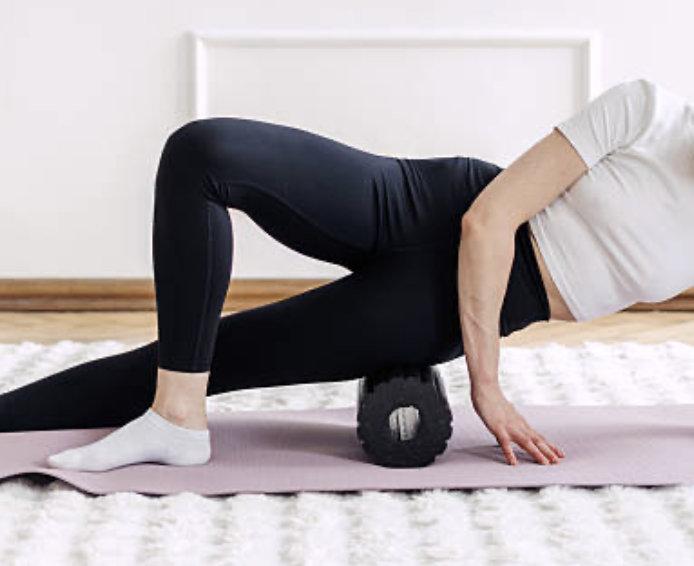
A proper warm-up doesn’t need to take twenty minutes or feel like a gym session. Done right, it takes about ten minutes and prepares the joints, tendons and muscles for the sudden sprints, lunges and overhead swings padel demands from the very first point.
Why does skipping the warm-up matter so much in padel?
Padel is a stop-start sport. A player can be standing still for ten seconds and then need to sprint, lunge and swing overhead within a second or two. Cold muscles and tendons are simply less elastic and less able to absorb that kind of sudden force, which is exactly why so many injuries happen in the first few minutes of a match rather than gradually building fatigue toward the end.
Dubai’s climate adds a twist here too. Even though the outside air feels warm, indoor air-conditioned courts keep the body from naturally warming up the way it might in a hot outdoor environment, so the muscles genuinely do need active preparation rather than relying on the temperature to do the work.
What should an effective padel warm-up include?
A good warm-up moves from general to specific, gradually raising heart rate before targeting the exact movements the match will demand.
- Light cardio for two to three minutes, jogging on the spot, side shuffles, or a brisk lap of the court to raise body temperature
- Dynamic mobility for the shoulders and hips, arm circles, walking lunges with a rotation, and leg swings rather than static stretches held still
- Wrist and forearm preparation, gentle wrist circles and light grip squeezes, particularly important given how often padel elbow shows up
- Progressive racket work, starting with soft, controlled shots and building up to full-pace volleys and smashes over several minutes
- A few practice sprints and lunges, mimicking the sudden direction changes a real point will demand
Does stretching before a match actually help?
Static stretching, holding a stretch still for thirty seconds, is often misunderstood. Doing it cold, before any movement, has actually been shown to temporarily reduce power output in some studies, which is the opposite of what a player needs right before explosive smashes. Dynamic movement that takes joints through their full range while moving tends to prepare the body far better before play. Static stretching still has a place, just afterwards, as part of cooling down.
What about between points or during a long session?
Warming up isn’t only relevant at the very start. Players who take a long break between matches, waiting for a court, chatting after a first game, cool back down within fifteen to twenty minutes and benefit from repeating a shortened version of the warm-up before the next match starts.
Does a warm-up really prevent injuries, or is it just tradition?
The evidence on structured warm-ups in racket and court sports is fairly consistent, they reduce the rate of muscle strains and improve early-match performance, though they can’t eliminate every injury risk. Combined with good footwear, a properly sized grip and sensible progression in how often someone plays, a warm-up is one of the simplest, lowest-cost habits that meaningfully lowers injury risk.
Frequently asked questions
How long should a padel warm-up take?
Around eight to ten minutes is usually enough to properly prepare the body without eating into limited court time.
Should I stretch before or after playing padel?
Dynamic movement is better before play, while static stretches held for longer are more useful as part of cooling down afterwards.
Is a warm-up really necessary for a casual social game?
Yes. Injury risk isn’t lower just because the match is casual, the body still needs preparation for the same sudden movements.
What’s the single most important part of a padel warm-up?
Raising heart rate with light cardio first, since cold muscles and tendons are far more vulnerable to sudden explosive movement.
Can a good warm-up prevent padel elbow?
It reduces the risk by preparing the forearm tendons for load, though grip size, technique and overall playing volume matter just as much.
If injuries keep interrupting your padel season despite warming up, there may be an underlying issue worth checking, whether that’s technique, strength or joint mobility. A sports physiotherapy assessment in Dubai can find out what’s really going on and help build a routine that keeps you on court. You can book a session here.
Want to live longer, and feel better while doing it?
Twice a week I share practical, physiotherapy-backed insights on longevity, movement and healthspan — no fads, just what actually works.

Marcos Jusdado is a physiotherapist and osteopath at Kinesis Clinic, Vida Emirates Hills, in the heart of Dubai. With 9 years of experience and over 12,000 sessions, he specialises in sport physiotherapy, functional neurology (P-DTR), vestibular rehabilitation and chronic pain, working with everyone from busy professionals to competitive athletes. His approach focuses on finding the root cause of pain rather than just treating the symptoms, helping his patient to achieve long-lasting results.