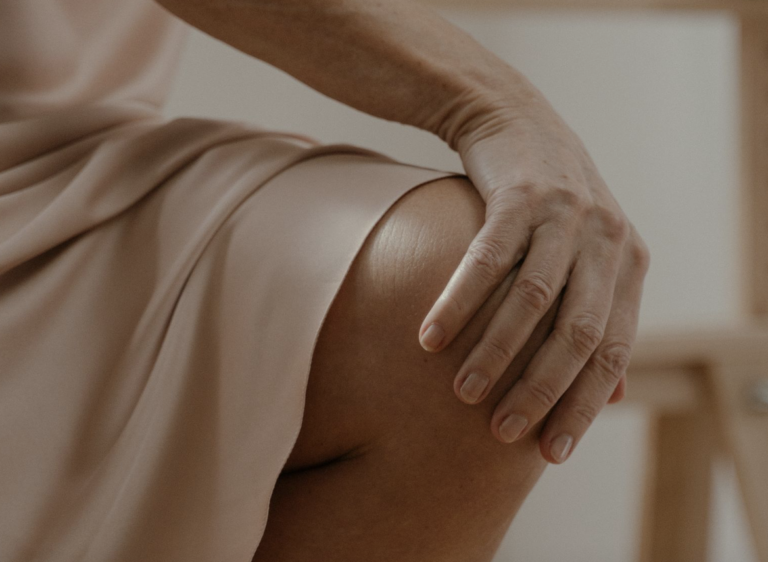
Pain on the outside of the hip, right over the bony point you can feel through your trousers. It gets worse lying on that side at night, worse walking uphill, worse climbing stairs. Most people call it hip bursitis and leave it at that, but the outside of the hip is a busier area than that label suggests.
Lateral hip pain is most often a tendon problem rather than pure bursitis, and understanding that difference changes how it should be treated.
What is actually causing pain on the outside of the hip?
The area over the bony point of the hip, called the greater trochanter, is where several structures meet: the gluteus medius and minimus tendons, a few small fluid-filled sacs called bursae, and the iliotibial band passing over the top. For a long time, any pain here was labelled trochanteric bursitis, but research has shown that in most cases the bursa is not actually inflamed. The real problem is usually the gluteal tendons, a condition now more accurately called gluteal tendinopathy or greater trochanteric pain syndrome.
This matters because bursitis and tendinopathy are treated quite differently. Tendons respond to a specific type of progressive loading, while true bursitis responds more to reducing compressive positions and inflammation. Getting the diagnosis right changes the whole plan.
Who tends to get lateral hip pain?
- Women more than men, particularly around and after menopause, likely linked to changes in tendon quality
- People who walk a lot on one hip hitched out to the side, a subtle habit that compresses the tendons
- Runners, especially those who cross their feet over the midline while running
- Anyone who sits with legs crossed for long periods, which compresses the gluteal tendons against the hip bone
- People who sleep on their side without proper support, which loads the tendon directly all night
How is lateral hip pain diagnosed properly?
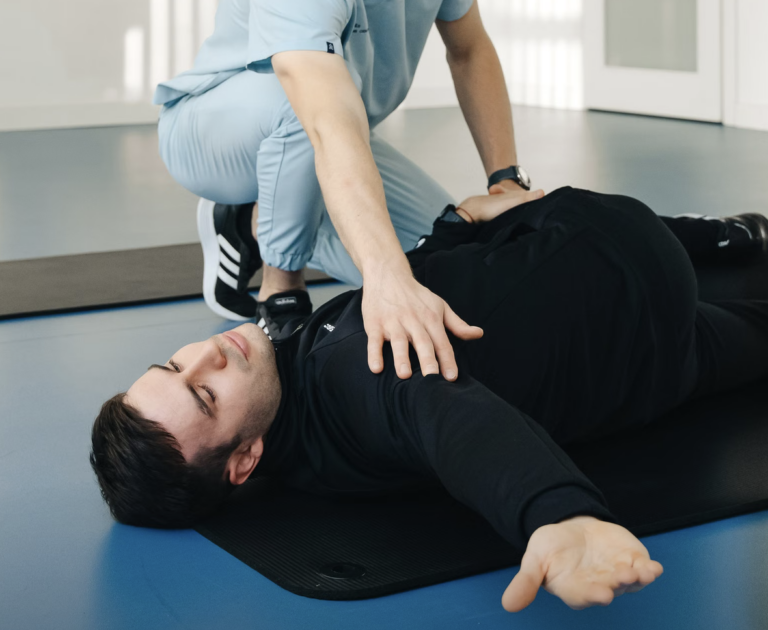
A physiotherapist assessing lateral hip pain will press directly over the greater trochanter to reproduce the pain, test the strength and control of the hip abductor muscles, and look closely at walking pattern and habitual positions like standing with weight shifted onto one hip. Scans are not usually needed to start treatment, since the clinical picture is often clear enough, though imaging can help in more complicated or longstanding cases.
What actually helps lateral hip pain?
- Avoiding compressive positions in the short term, such as crossing the legs, standing with the hip jutted out, or lying directly on the painful side
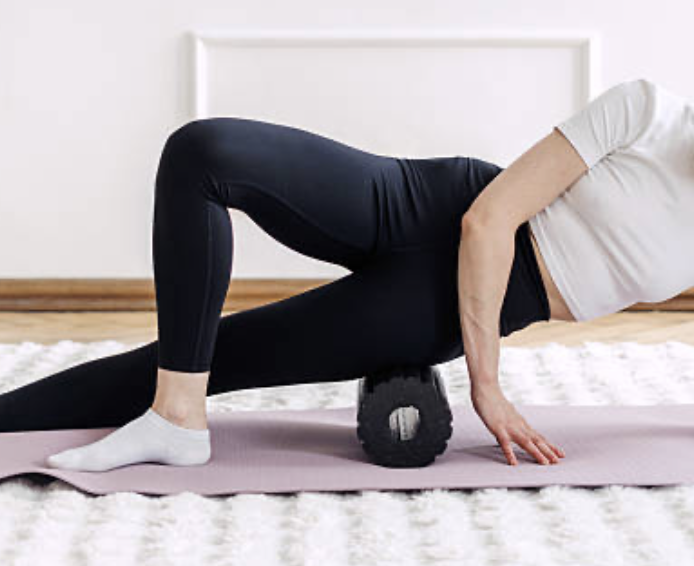
- A gradual, progressive strengthening programme for the gluteal muscles, combined with manual therapy to ease tension in the surrounding hip muscles, since tendons need loading to recover, not just rest
- Correcting the walking pattern if the hip drops or hitches to one side with each step
- Adjusting sleep position with a pillow between the knees to reduce direct compression on the tendon overnight
Complete rest is one of the most common mistakes with this condition. Tendons that are unloaded for too long become weaker and more irritable, not less. The goal is finding the right amount of load, not avoiding load altogether.
How long does it take to settle?
Gluteal tendinopathy is usually a slower recovery than an acute injury, often taking eight to twelve weeks of consistent, progressive strengthening to see substantial improvement, with the sharpest, most compression-sensitive pain often easing sooner. Rushing back into aggravating positions too early is the most common reason it drags on for months instead.
Frequently asked questions
Is lateral hip pain the same as hip arthritis?
No. Hip arthritis usually causes pain deep in the groin, particularly with rotation, while lateral hip pain sits over the outside bony point and is a tendon or bursa issue, not a joint surface issue.
Should I stretch the outside of my hip if it hurts?
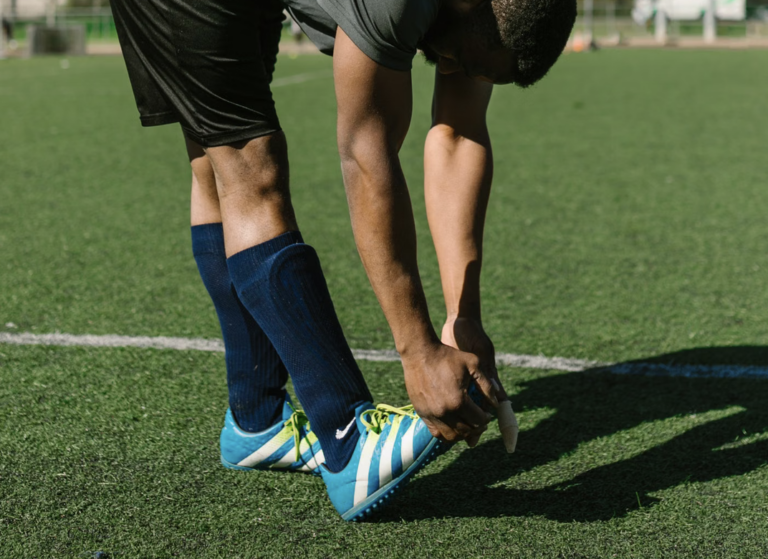
Generally no. Stretches that pull the leg across the body often compress the already irritated tendon further and can make symptoms worse rather than better.
Can lateral hip pain come back after it settles?
It can, particularly if the underlying strength deficit or walking pattern that caused it in the first place was never addressed, which is why the strengthening phase matters as much as the pain relief phase.
Is walking bad for lateral hip pain?
Walking is not inherently bad, but the amount and pattern matter. Shorter, more frequent walks are often tolerated better than one long walk, especially early on.
Do I need an injection for lateral hip pain?
Injections can reduce pain temporarily in some cases, but they do not address the underlying tendon weakness, so they work best alongside a proper loading programme rather than instead of one.
If the outside of your hip has been nagging at you for weeks, especially at night or on stairs, it is worth having it properly assessed rather than assuming it will settle on its own. You can book a session here.
Want to live longer, and feel better while doing it?
Twice a week I share practical, physiotherapy-backed insights on longevity, movement and healthspan — no fads, just what actually works.

Marcos Jusdado is a physiotherapist and osteopath at Kinesis Clinic, Vida Emirates Hills, in the heart of Dubai. With 9 years of experience and over 12,000 sessions, he specialises in sport physiotherapy, functional neurology (P-DTR), vestibular rehabilitation and chronic pain, working with everyone from busy professionals to competitive athletes. His approach focuses on finding the root cause of pain rather than just treating the symptoms, helping his patient to achieve long-lasting results.