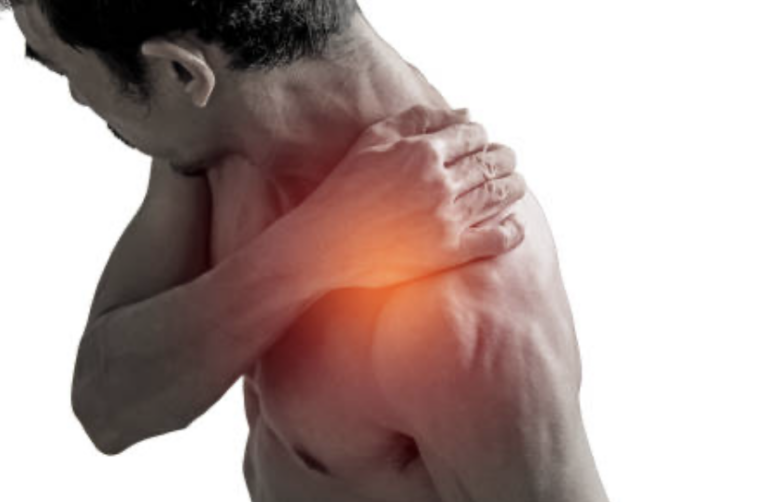
Hearing the words “rotator cuff tear” tends to land harder than it needs to. For a lot of people it conjures images of surgery and months out of the gym, when in reality plenty of tears are managed successfully without an operation at all. What matters is understanding what kind of tear it is, how big it is, and what your shoulder actually needs to recover.
The rotator cuff is a group of four muscles and their tendons that wrap around the shoulder joint, keeping the ball of the humerus centred in its socket while the bigger muscles do the heavy lifting. A tear means one or more of those tendons has torn, partially or fully, usually from a mix of wear over time and a specific triggering event like a fall or an awkward lift.
What causes a rotator cuff tear?
- Gradual degeneration of the tendon with age, which is why tears become more common from the mid-40s onward
- A fall onto an outstretched arm or a sudden heavy pull on the shoulder
- Long-standing impingement or tendon irritation that eventually wears through the fibres
- Repetitive overhead work or sport that loads the tendon beyond what it can repair between sessions
- Reduced blood supply to the tendon that comes naturally with age, which slows its ability to heal itself
How do I know if it’s a tear and not just a strain?
Some tears announce themselves clearly, a sudden sharp pain during a fall or lift, followed by weakness lifting the arm and difficulty sleeping on that side. Others are quieter, a gradual loss of strength and a nagging ache that slowly gets worse over months. Weakness is usually the biggest clue that separates a tear from a simple strain, particularly noticeable when trying to lift the arm out to the side or rotate it outward against resistance. A physiotherapist can test this clinically, though an ultrasound or MRI is often used to confirm the size and location of the tear.
Do all rotator cuff tears need surgery?
No, and this surprises a lot of people. Research consistently shows that many partial tears, and even some full tears, respond well to a structured physiotherapy programme, particularly in people who aren’t reliant on heavy overhead strength for work or sport. Surgery tends to be considered for larger tears, tears in younger or very active people, or cases where a solid course of rehab hasn’t restored enough function. The decision isn’t purely about the size of the tear on a scan, it’s about how the shoulder is actually performing and what the person needs from it.
What does physiotherapy for a rotator cuff tear involve?
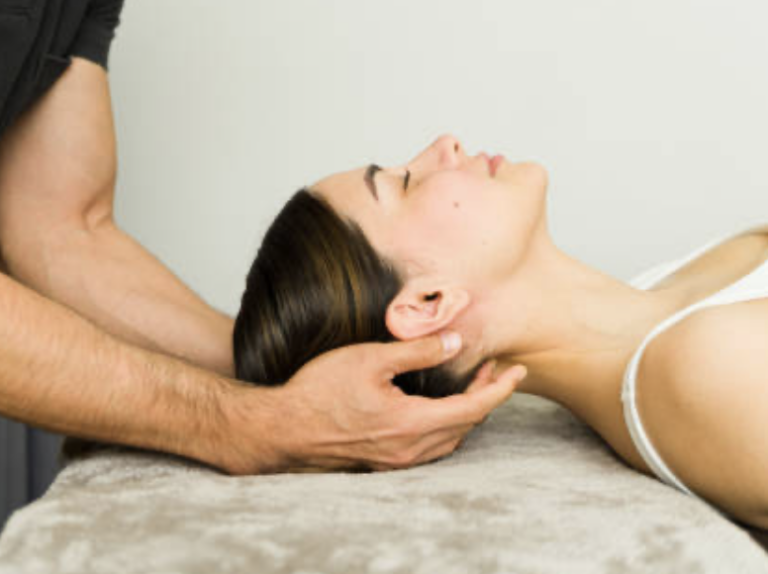
The goal is to build strength in the remaining healthy fibres and in the surrounding muscles that can compensate for the damaged tendon, so the shoulder blade and the deltoid share more of the load. This starts gently, often with movements that don’t require the torn tendon to work in isolation, and progresses gradually as strength and confidence return. Manual therapy can help with stiffness and pain in the early stages, but the strength work is what actually changes how the shoulder functions long term.
What if I’ve already had surgery?
Post-surgical rehab follows a staged protocol, usually starting with protecting the repair while gently restoring movement, then building strength once the tendon has had time to heal into the bone. This is a slower process than non-surgical rehab and needs to be guided carefully, since pushing too hard too soon is one of the main risks to a surgical repair.
What happens if a tear is left untreated?
Small tears can sometimes stay stable for years without getting significantly worse, especially with good rehab. But an untreated tear that keeps being loaded awkwardly, or one where the surrounding muscles aren’t compensating well, can gradually enlarge and lead to more persistent weakness and pain over time. Getting it assessed early gives you more options.
Frequently asked questions
Can a rotator cuff tear heal on its own?
The torn tendon fibres themselves don’t reliably heal back together without surgery, but many people regain excellent function through strengthening the surrounding muscles, even with the tear still present.
Is it safe to exercise with a rotator cuff tear?
In most cases yes, with an appropriately adjusted programme. Complete rest tends to make the shoulder weaker and stiffer, which usually makes symptoms worse rather than better.
How long does non-surgical recovery take?
Most people see meaningful improvement within six to twelve weeks of consistent rehab, though building full strength back can take several months depending on the size of the tear.
Will the tear show up worse on a second scan later?
Not necessarily. Tear size and symptoms don’t always move together, plenty of people function well with a stable tear on imaging that never changes much over the years.
Can I still go to the gym with a rotator cuff tear?
Usually yes, with some exercises modified in the short term. A physiotherapist can help you adapt your programme rather than stopping training altogether.
If your shoulder feels weak or won’t lift the way it used to, it’s worth getting a proper assessment before deciding surgery is the only option. You can book a session here.
Want to live longer, and feel better while doing it?
Twice a week I share practical, physiotherapy-backed insights on longevity, movement and healthspan — no fads, just what actually works.
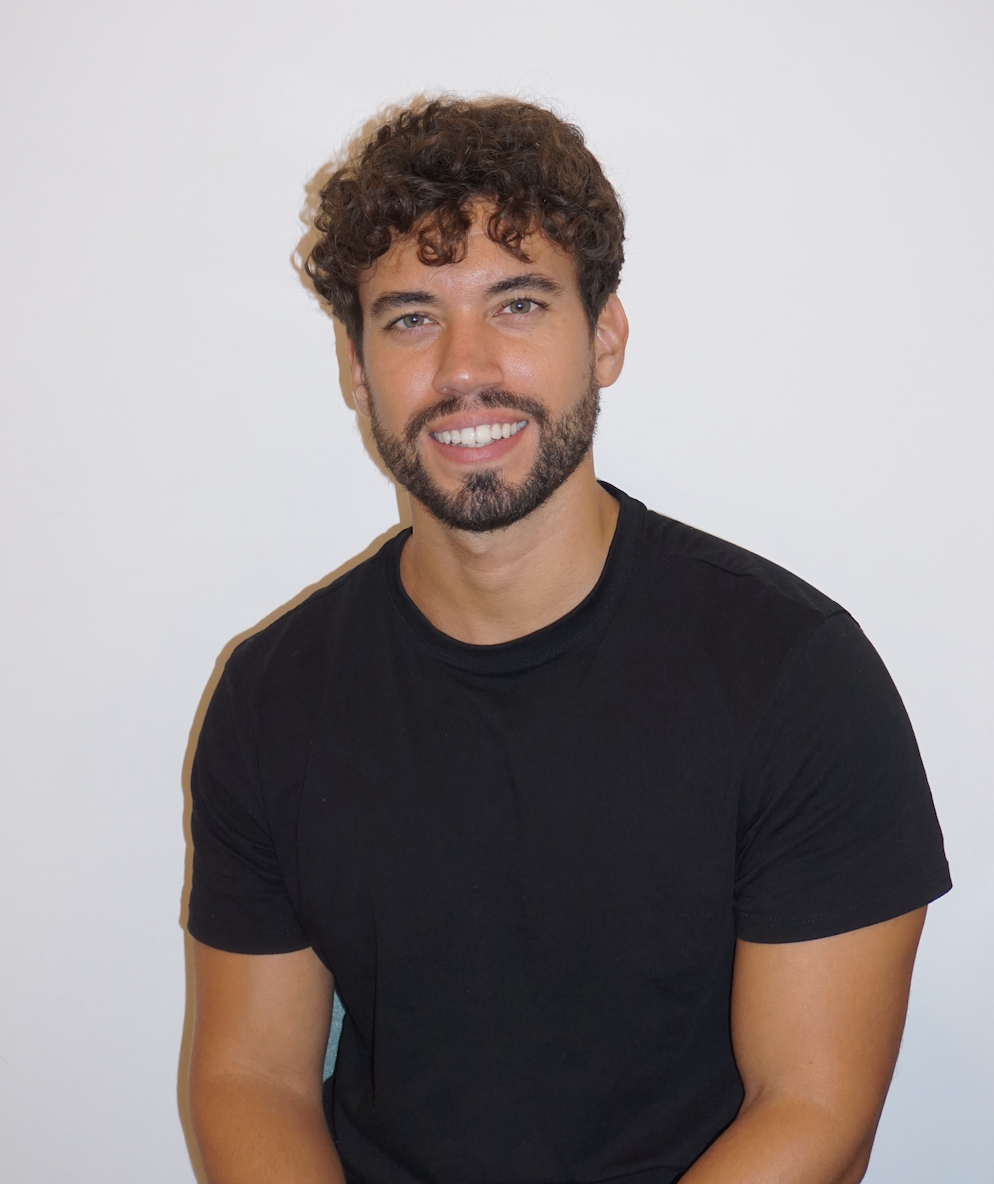
Marcos Jusdado is a physiotherapist and osteopath at Kinesis Clinic, Vida Emirates Hills, in the heart of Dubai. With 9 years of experience and over 12,000 sessions, he specialises in sport physiotherapy, functional neurology (P-DTR), vestibular rehabilitation and chronic pain, working with everyone from busy professionals to competitive athletes. His approach focuses on finding the root cause of pain rather than just treating the symptoms, helping his patient to achieve long-lasting results.