Padel has exploded across Dubai in the last few years, new courts keep opening from DIFC to Dubai Sports City, and with more people on court several nights a week, physiotherapy clinics are seeing a steady stream of the same handful of injuries. Padel looks lower impact than tennis or squash, four players, a smaller court, a lot of laughing between points, but the stop-start movement, the glass walls and the constant overhead swinging put real strain on the body.
Understanding what tends to go wrong, and why, makes it much easier to catch a problem early rather than push through it for three more weeks until it turns into something that needs proper rehab.
What are the most common padel injuries?
A few conditions come up again and again in players of all levels.
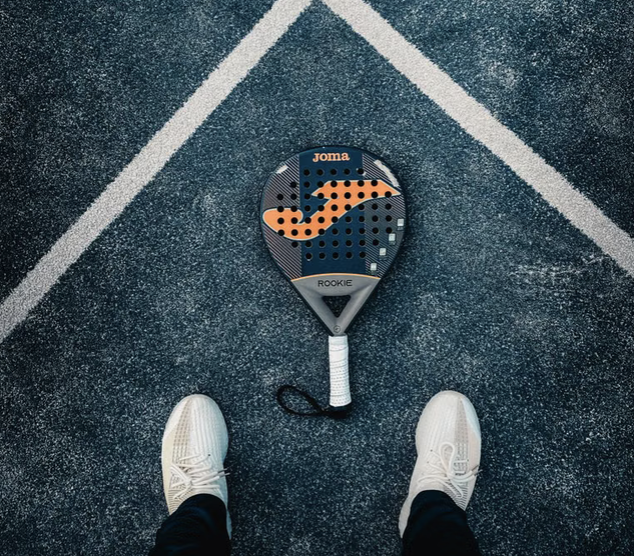
- Padel elbow, an overuse injury of the tendons on the outside of the elbow, brought on by the racket’s rigid, stringless construction and repeated gripping through volleys
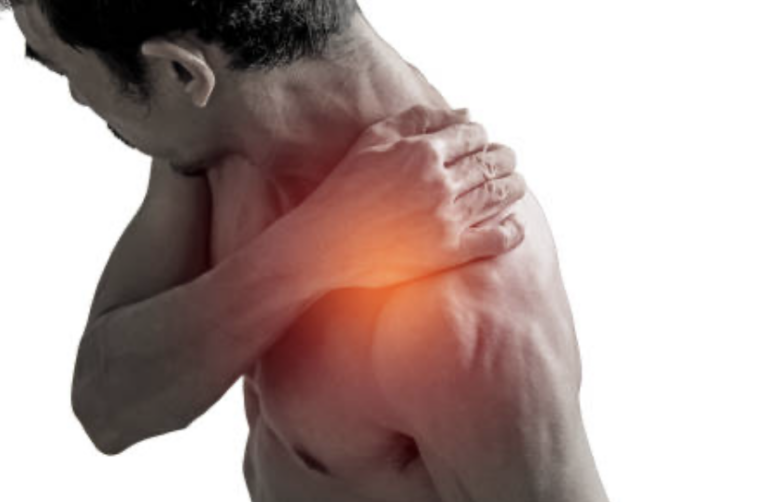
- Shoulder pain, usually from repeated overhead smashes and serves that overload the rotator cuff
- Lower back pain, often linked to the rotational, twisting nature of the smash and quick lateral lunges
- Ankle sprains, typically from sudden direction changes or stepping awkwardly near the glass
- Knee pain, especially around the kneecap, from repeated lunging and pivoting on a hard court surface
- Wrist strain, from mistimed volleys or defensive shots played with a stiff wrist
- Calf and Achilles strains, common in players who go from a sedentary desk job straight into a fast match without warming up
Why does padel cause so many overuse injuries specifically?
Unlike a single hard collision injury, most padel problems build up gradually. The sport asks the body to repeat the same explosive movements, smash, lunge, sprint to the glass, over and over across a match, and then again two or three times a week. Add a rigid racket, a hard playing surface, and matches that often start with little to no warm-up because everyone is squeezing padel in after work, and small overloads accumulate into real problems.
Dubai’s climate plays a role too. Evening matches in high heat and humidity mean players lose fluid quickly, tire faster than they realise, and their technique starts to break down in the final games, which is exactly when injuries tend to happen.
How are these injuries usually treated?
Treatment depends on the tissue involved, but the general approach for most padel injuries follows a similar pattern. In the first few days, calming down pain and swelling matters most. After that, the focus shifts to restoring full movement, then rebuilding strength and control in the specific positions padel demands, deep lunges, rotational power, overhead reach.
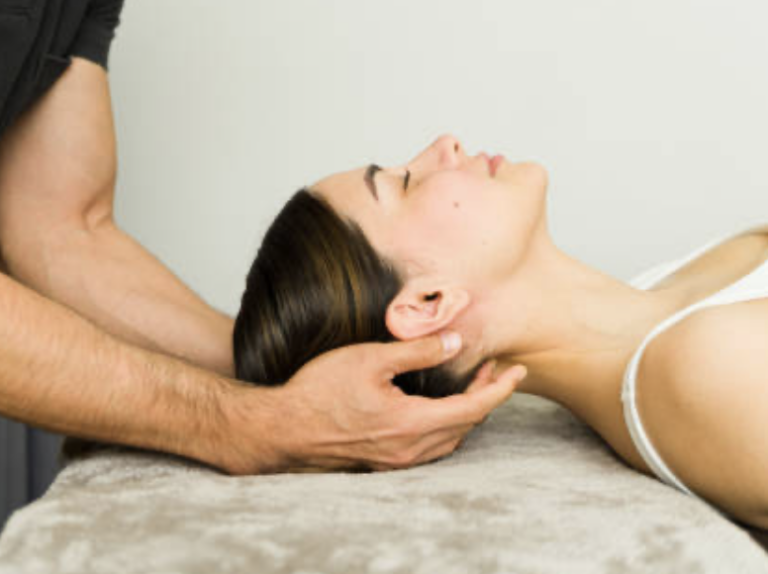
A physiotherapist in Dubai will usually combine hands-on treatment with a progressive exercise programme, and for anything involving the shoulder, elbow or knee, will also look at technique on court, because a repetitive strain injury that gets treated but never addressed at the source tends to come straight back.
When should you actually see someone?
- Pain that lasts more than a week without improving
- Any swelling around a joint after a twist or fall
- Pain sharp enough to change how you walk or grip the racket
- A niggle that keeps returning every time you play
- Any injury where you heard or felt a pop at the moment it happened
Playing through pain rarely saves time. It usually just delays the inevitable and makes the eventual recovery longer.
Can these injuries be prevented?
A large proportion of padel injuries are preventable with a few consistent habits: a proper dynamic warm-up before stepping on court, building general strength and mobility off court rather than relying on matches as the only training, and not jumping straight from zero games a week to four. Rotating positions with a partner, staying hydrated in Dubai’s heat, and replacing worn grips or ill-fitting shoes also make a real difference over a season.
Frequently asked questions
What is the most common padel injury?
Padel elbow and shoulder pain from overhead smashes are consistently the two most reported issues among regular players.
Is padel harder on the body than tennis?
Not necessarily harder, but the rigid racket and glass walls create different stresses, particularly on the elbow and lower back, that surprise many players coming from tennis.
How long does a typical padel injury take to recover from?
It varies widely, a mild strain might settle in one to two weeks, while a tendon overuse injury can take six to eight weeks of structured rehab.
Should beginners worry about injuries?
Beginners are actually at higher risk in some ways, since technique is still developing and the body hasn’t adapted to the sport’s specific demands yet.
Do I need a scan before seeing a physiotherapist?
Usually not. Most padel injuries can be assessed clinically first, with imaging reserved for cases that aren’t responding as expected or involve a suspected fracture or ligament tear.
If something has been nagging at you on court for a few weeks, whether it’s your elbow, shoulder or knee, it’s worth getting it properly assessed rather than guessing. A physiotherapist offering sports physiotherapy in DIFC can identify exactly what’s going on and get you back to full matches with confidence. You can book a session here.
Want to live longer, and feel better while doing it?
Twice a week I share practical, physiotherapy-backed insights on longevity, movement and healthspan — no fads, just what actually works.

Marcos Jusdado is a physiotherapist and osteopath at Kinesis Clinic, Vida Emirates Hills, in the heart of Dubai. With 9 years of experience and over 12,000 sessions, he specialises in sport physiotherapy, functional neurology (P-DTR), vestibular rehabilitation and chronic pain, working with everyone from busy professionals to competitive athletes. His approach focuses on finding the root cause of pain rather than just treating the symptoms, helping his patient to achieve long-lasting results.