MARCOS JUSDADO - Dubai Physiotherapist

Vestibular Rehabilitation in Dubai

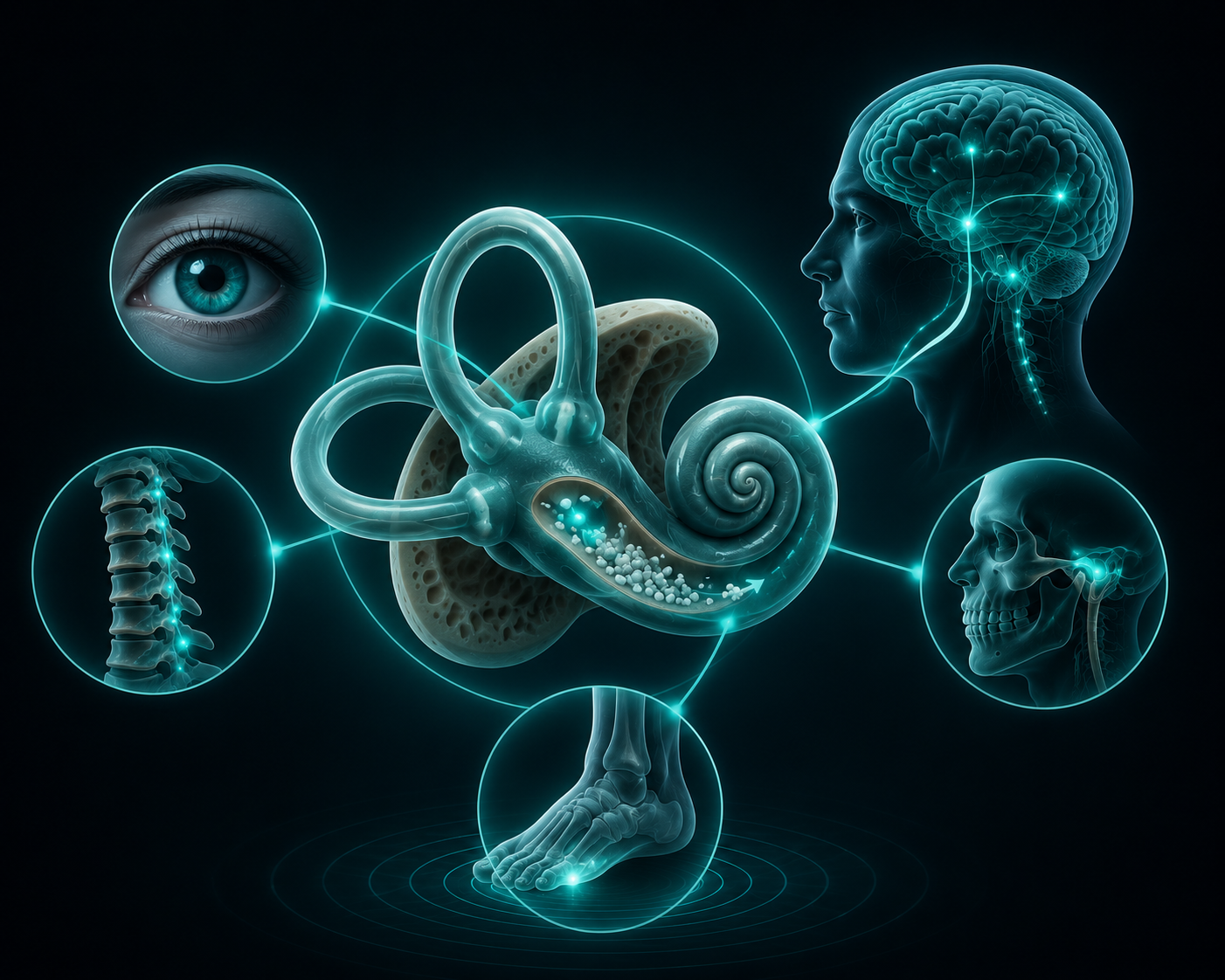
For vestibular rehabilitation, it is essential to assess the information receptors responsible for balance: the eyes, the vestibular system and the body’s proprioception (especially in the neck, foot and temporomandibular joint). With Neuroreceptor Therapy (P-DTR), I identify sensitivity points in order to eliminate them, then guide you through exercises to increase your body’s tolerance and capabilities.

– Marcos Jusdado

What is Vestibular Rehabilitation?

Vestibular rehabilitation focuses on treating patients who suffer from dizziness or a sense of imbalance.

As a physiotherapist and expert in P-DTR (Neuroreceptor Therapy or Functional Neurology), I approach balance and vestibular disorders from a holistic perspective, aiming to identify and address the root cause. Once serious conditions have been ruled out, I assess the different systems involved in your balance: the cervical spine, the eyes, the vestibular system, the temporomandibular joint and the proprioception of your feet.

In many cases, it’s a combination of several factors. After identifying and treating them, I guide you through specific exercises to improve your tolerance and stability, helping you recover fully and as quickly as possible.

The Vestibular System

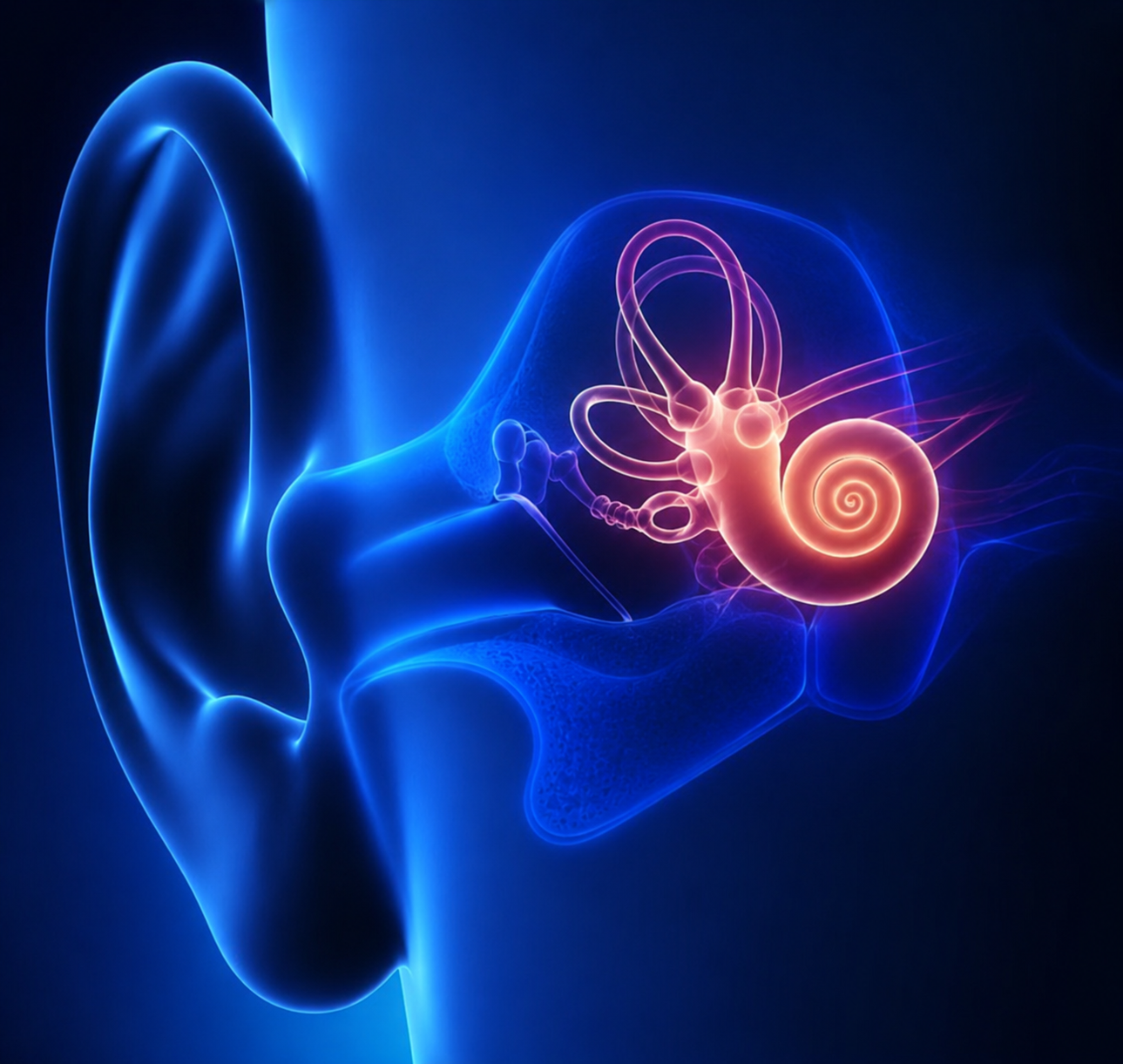
The vestibular system is located in the inner ear, housed within the temporal bones of the skull, which means each person has a vestibular system in each ear. This system is made up of two main components: the canal system, formed by the three semicircular canals (horizontal, anterior, and posterior), and the macular system, which includes the saccule and the utricle. Within the saccule and utricle are calcium deposits known as otoliths (you can see this in the video on the right).

Vertigo is the sensation that everything around you is spinning. Even with your eyes closed, the feeling experienced by someone with vertigo is that everything continues to revolve.

Different Vestibular Problems

Vertigo is caused by a dysfunction of the vestibular system and is characterized by an alteration in eye movement or reflex, known as nystagmus.

Instability is the inability to stand upright due to a balance deficit, and it is a very real sensation. It depends on the visual system, proprioception, and the vestibular system.

A very high percentage of vertigo cases are Benign Paroxysmal Positional Vertigo (BPPV), which is a short-lasting vertigo episode directly related to body position. Then there are medium-duration vertigo episodes, such as Ménière’s disease, and long-duration vertigo, which could be due to a neuritis.

Other symptoms that may appear in patients suffering from vertigo include neck stiffness and heaviness, nausea, and even vomiting.

Dizziness, Vertigo or Imbalance: Which One Do You Have?

Patients often use these three words interchangeably, but they point to very different problems, and getting the distinction right is the first step towards treating the correct system.

Vertigo is a false sense of movement. The room spins around you, or you feel like you are spinning. It usually points to the vestibular system itself.

Dizziness is broader, lightheadedness, feeling faint, a vague sense of disorientation. It can come from the neck, from blood pressure, from the visual system, or from breathing patterns.

Imbalance is the feeling of being unsteady on your feet without the room spinning. It typically involves proprioception, the information your feet, neck and jaw send to your brain about where your body is in space.

In practice, most of the patients I see in Dubai present with a combination. This is exactly why I assess every system rather than assuming the inner ear is the culprit.

BPPV: The Most Common, and Most Treatable Cause of Vertigo

Benign Paroxysmal Positional Vertigo accounts for a large share of all vertigo cases. It happens when otoliths, small calcium crystals that normally sit in the utricle, become dislodged and migrate into one of the semicircular canals, where they don’t belong. Every time you move your head into a certain position, those crystals shift and send your brain a false signal of motion.

The hallmark of BPPV is that it is short-lasting and position-dependent. Episodes typically last seconds to a minute and are triggered by lying down, rolling over in bed, looking up, or bending forward.

The good news: BPPV responds extremely well to repositioning manoeuvres. The Epley manoeuvre and its variants guide the displaced crystals back out of the canal. Many patients feel a dramatic difference after a single session, and most cases resolve within one to three.

The key is identifying which canal is affected before treating, which is why the assessment matters more than the manoeuvre itself.

Vestibular Migraine and Other Common Causes

Not all vertigo comes from the inner ear.

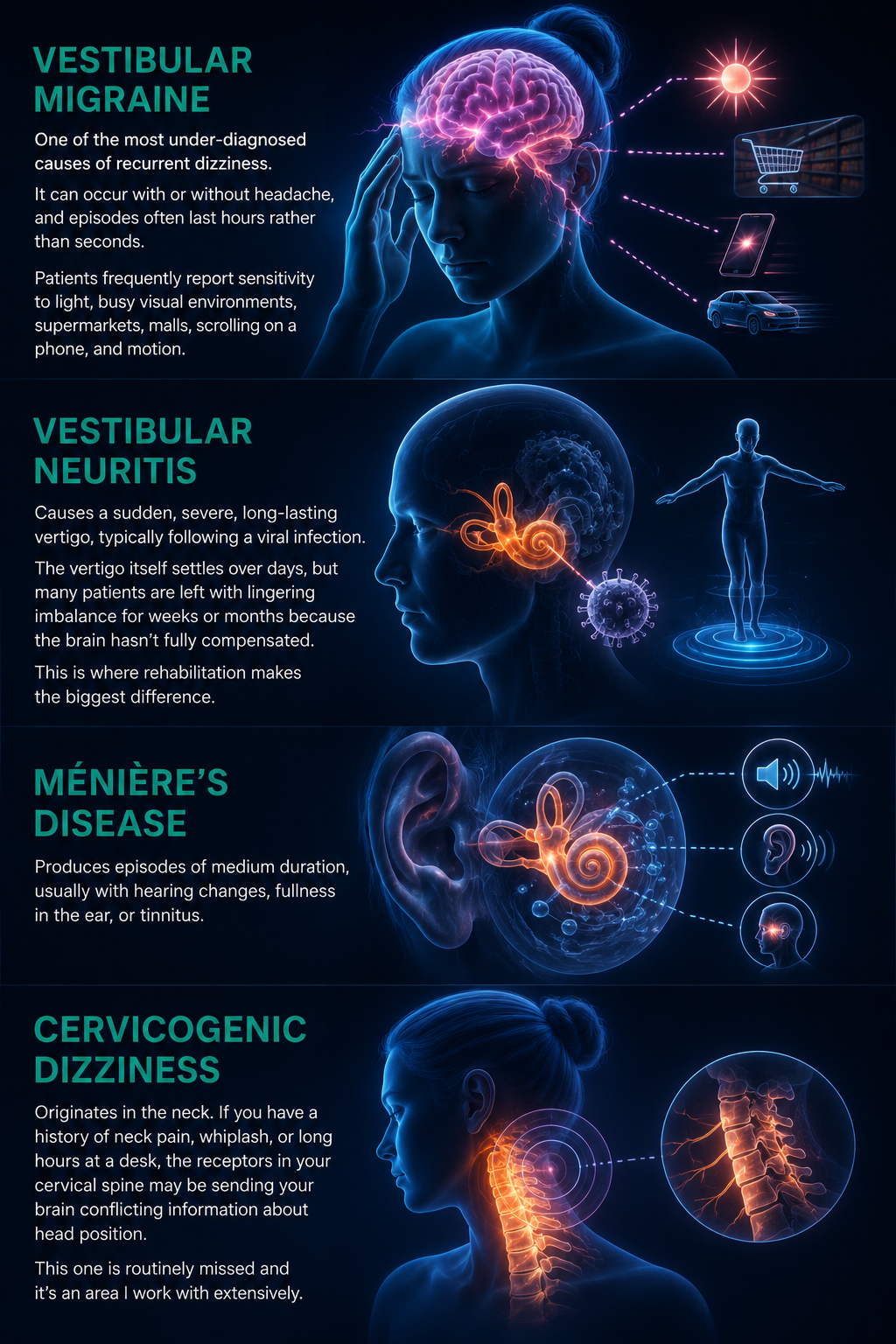
Vestibular migraine is one of the most under-diagnosed causes of recurrent dizziness. It can occur with or without headache, and episodes often last hours rather than seconds. Patients frequently report sensitivity to light, busy visual environments, supermarkets, malls, scrolling on a phone, and motion.

Vestibular neuritis causes a sudden, severe, long-lasting vertigo, typically following a viral infection. The vertigo itself settles over days, but many patients are left with lingering imbalance for weeks or months because the brain hasn’t fully compensated. This is where rehabilitation makes the biggest difference.

Ménière’s disease produces episodes of medium duration, usually with hearing changes, fullness in the ear, or tinnitus.

Cervicogenic dizziness originates in the neck. If you have a history of neck pain, whiplash, or long hours at a desk, the receptors in your cervical spine may be sending your brain conflicting information about head position. This one is routinely missed and it’s an area I work with extensively.

Why My Approach Is Different

Most vestibular programmes treat the inner ear and stop there. My background in P-DTR (Proprioceptive Deep Tendon Reflex) and functional neurology means I assess every receptor that feeds your balance system: the eyes, the vestibular apparatus, the cervical spine, the temporomandibular joint, and the proprioception of your feet.

Once serious pathology has been ruled out, I identify which of these systems is sending faulty information and in most cases, it’s more than one. I treat the dysfunction at the receptor level first, then build tolerance and stability through targeted exercise.

The goal isn’t to teach you to live with dizziness. It’s to find out why your brain is receiving the wrong signal, and correct it.

What to Expect From Your First Session

Your first appointment is primarily an assessment and the start of correct treatment. I take a detailed history, when the symptoms started, what triggers them, how long each episode lasts, because the pattern itself narrows the diagnosis considerably.

I then test each system involved in balance: eye movements and gaze stabilisation, positional testing where indicated, cervical spine function, jaw, and foot proprioception.

If the findings point to BPPV, treatment can often begin in that same session. For other presentations, we establish a plan and start with the systems that are contributing most.

You’ll leave with specific exercises to do at home. Vestibular rehabilitation works through repetition, what you do between sessions matters as much as what we do in the clinic.

Regain Your Balance and Confidence

If you’re struggling with dizziness, vertigo, or balance issues, know that you’re not alone and effective help is available. My vestibular rehabilitation sessions in Dubai are tailored to your specific condition, combining evidence-based techniques with a neurological and functional approach to restore your stability and confidence in daily life.

Whether your symptoms are recent or long-standing, we’ll work together to retrain your brain and body, so you can move safely and feel in control again. Book your first session today and take the first step toward a steadier, safer life.

Vestibular Rehabilitation: Frequently Asked Questions

How many sessions of vestibular rehabilitation will I need?

It depends entirely on the cause. BPPV often resolves in one to three sessions. Vestibular neuritis, vestibular migraine and cervicogenic dizziness typically need a longer programme — commonly four to eight sessions over several weeks — because we're retraining how your brain processes balance information, and that takes repetition.

I'll give you a realistic estimate after the initial assessment rather than selling you a fixed package.

Do I need a doctor's referral before booking?

No, you can book directly. That said, certain symptoms need medical investigation first — sudden hearing loss, double vision, a severe headache unlike any you've had before, weakness, numbness, or difficulty speaking.

If anything in your history suggests your symptoms need medical clearance, I will tell you and refer you appropriately before starting treatment.

Can vestibular rehabilitation actually cure vertigo?

For BPPV, yes — repositioning manoeuvres physically relocate the displaced crystals and resolve the problem at its source.

For conditions like vestibular neuritis, rehabilitation doesn't repair the original nerve damage, but it trains your brain to compensate so effectively that symptoms resolve. From the patient's perspective the outcome is the same: you feel normal again.

Is the treatment uncomfortable?

Positional testing and repositioning manoeuvres can provoke brief vertigo — that's expected, and it's how we confirm the diagnosis. It typically lasts under a minute.

Some patients feel a little unsteady or nauseated for a few hours afterwards. I'll explain exactly what to expect before we begin, so nothing catches you by surprise.

I've been told to just wait it out. Should I?

Some vertigo does settle on its own. But waiting has a cost: while you're avoiding the movements that trigger symptoms, your brain adapts around the problem and develops compensation patterns that are harder to undo later.

If your symptoms have lasted more than a few weeks, or if you've started restricting what you do, an assessment is worthwhile.

Can neck problems really cause dizziness?

Yes, and it's frequently overlooked. Your cervical spine contains a dense population of receptors that tell your brain where your head is positioned.

If those receptors are dysfunctional — after whiplash, with chronic neck tension, or from sustained desk posture — they send information that conflicts with what your eyes and inner ear report. Your brain interprets that mismatch as dizziness or unsteadiness. This is treated through manual therapy and postural correction, not inner-ear exercises.

Where are sessions held?

Sessions take place at a private clinic in central Dubai, easily reached from Downtown, Business Bay, DIFC and Sheikh Zayed Road.

I'll confirm the exact address and directions when we schedule your appointment.

Do you treat patients who've already tried other therapies?

Frequently. Many patients come to me after standard vestibular exercises haven't resolved their symptoms — usually because the driver wasn't the inner ear at all, but the neck, the visual system, or the jaw.

A fresh assessment covering every contributing system, using P-DTR and functional neurology, often finds what was missed.