
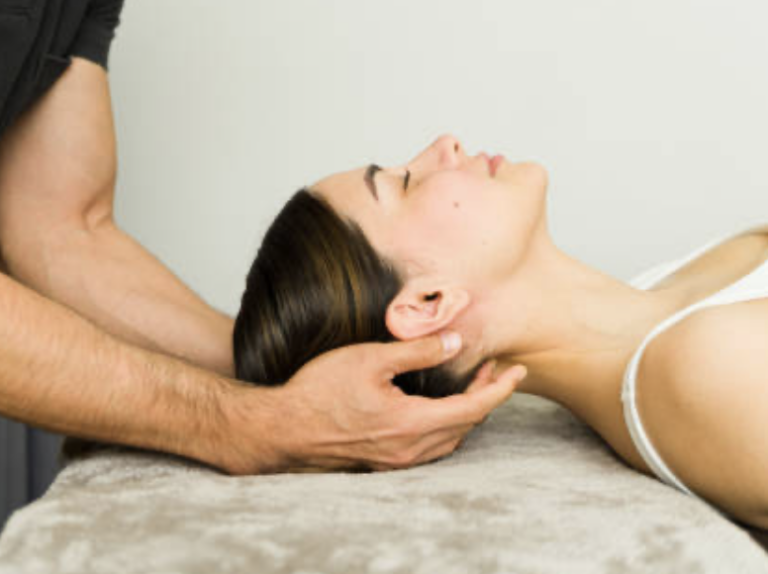
In short: physiotherapy focuses on assessment, rehabilitation and exercise-based recovery, chiropractic focuses mainly on spinal adjustment and joint manipulation, and osteopathy takes a broader, whole-body manual approach that includes soft tissue, joints and sometimes lifestyle factors. All three can help with pain, but they are trained differently, regulated differently, and suit slightly different problems.
Anyone searching for one of these terms in Dubai is usually staring down the same wall of clinic websites, all promising to fix the same back or neck pain. The names sound similar enough to blur together, and the marketing rarely explains what actually happens in the room. It helps to separate the professions by what they were built to do, not just what they claim to treat.
What does a physiotherapist actually do?
A physiotherapist assesses how the body moves, works and feels, then builds a plan around that. Sessions usually combine hands-on techniques, such as joint mobilisation or soft tissue work, with therapeutic exercise, movement retraining and education, drawing on the wider range of physiotherapy treatments available rather than a single fixed technique. The goal is not just to reduce pain in the room but to change how the body handles load afterwards, at a desk, in the gym, on the golf course.
Physiotherapy training is university-based and covers musculoskeletal, neurological and sometimes respiratory conditions. It tends to sit closest to mainstream medicine, and physiotherapists often work alongside doctors, surgeons and sports teams.
What does a chiropractor actually do?
Chiropractic care centres on the spine and joints, using manual adjustments, sometimes called manipulations, to restore movement where a joint feels restricted. Many people book a chiropractor for sudden back or neck pain and notice quick relief after an adjustment.
Where chiropractic differs most from physiotherapy is emphasis. Historically it has leaned more on repeated adjustment as the main tool, though many modern chiropractors now blend in exercise and rehabilitation too. The training is a dedicated chiropractic degree, separate from physiotherapy or medicine.
What does an osteopath actually do?
Osteopathy takes the widest lens of the three. An osteopath looks at the whole musculoskeletal system, sometimes including how breathing, posture or even digestion might be connected to a pain pattern. Treatment leans heavily on hands-on techniques: soft tissue release, stretching, joint articulation and gentle manipulation.
Osteopaths are trained to consider the body as an interconnected system rather than isolating one joint or muscle. That whole-body view is useful for people whose pain doesn’t have an obvious single cause.
So which one should you actually book?
- Ongoing pain that needs a plan, not just relief: physiotherapy, because it builds strength and movement patterns that prevent the problem returning.
- Sudden joint stiffness with a clear mechanical feel: chiropractic or osteopathy may bring faster short-term relief through manipulation.
- Pain connected to posture, breathing or a busy desk-based lifestyle: osteopathy or a physiotherapist in DIFC with a functional approach can look at the wider picture.
- Recovering from surgery, injury or a sports setback: physiotherapy is usually the standard of care, since it’s built around structured rehabilitation.
In practice, the lines blur. Many physiotherapists use manipulation, many osteopaths prescribe exercise, and a good chiropractor will also talk about movement habits. The title on the door matters less than asking a simple question before booking: what will the first session actually involve, and is there a plan beyond just today’s treatment?
Can you combine them?
Yes, and plenty of people do, seeing a chiropractor or osteopath for a flare-up and a physiotherapist for the longer rebuilding phase afterwards. The main thing to avoid is bouncing between all three for the same problem without anyone tracking progress. Pick one professional to lead the plan, and let them refer onward if needed.
Is one of these three more qualified than the others?
Not in a simple better-or-worse sense. Each has its own degree, regulation and scope of practice, and quality depends far more on the individual practitioner’s experience than on the title alone.
Which is best for a slipped or herniated disc?
Physiotherapy is usually the first port of call for disc-related pain, since treatment focuses on relieving nerve pressure through targeted exercise and movement correction rather than direct manipulation of the affected area.
Can chiropractic or osteopathic adjustments be dangerous?
Serious complications are rare when performed by a properly trained practitioner, but anyone with osteoporosis, recent fractures or certain nerve symptoms should mention this before any manipulation is carried out.
Do I need a doctor’s referral to see any of these in Dubai?
No, all three can typically be booked directly, though insurance coverage and claim requirements vary, so it’s worth checking with the provider beforehand.
How do I know if it’s working?
Within three to four sessions, there should be a noticeable change, either less pain, more movement, or both. If nothing has shifted by then, it’s worth reassessing the approach rather than continuing the same plan.
If you’re not sure which route fits your pain, a physiotherapist in Dubai can usually tell within one assessment whether the problem needs manual therapy, structured rehab, or a referral elsewhere. You can book a session here.
Want to live longer, and feel better while doing it?
Twice a week I share practical, physiotherapy-backed insights on longevity, movement and healthspan — no fads, just what actually works.
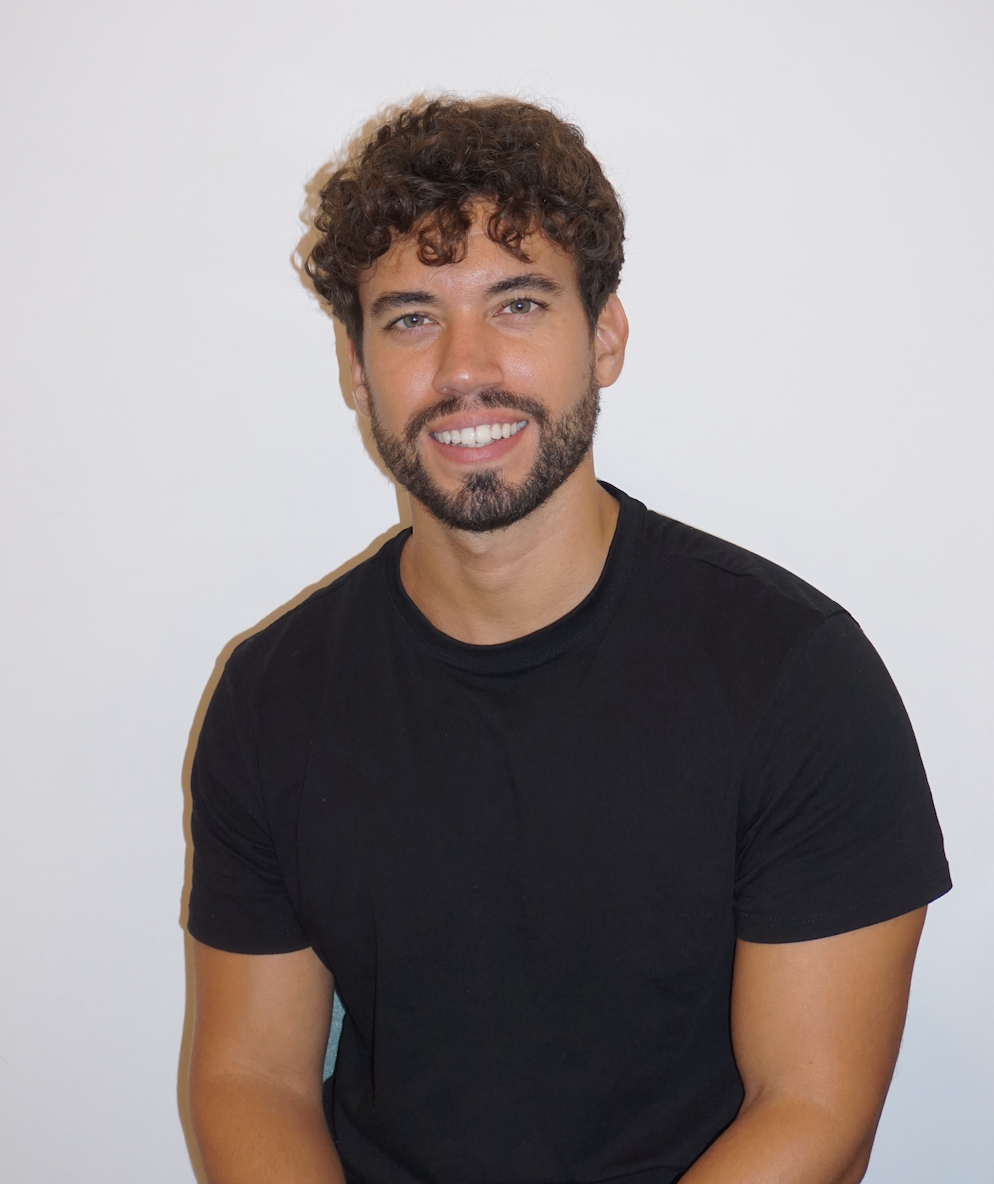
Marcos Jusdado is a physiotherapist and osteopath at Kinesis Clinic, Vida Emirates Hills, in the heart of Dubai. With 9 years of experience and over 12,000 sessions, he specialises in sport physiotherapy, functional neurology (P-DTR), vestibular rehabilitation and chronic pain, working with everyone from busy professionals to competitive athletes. His approach focuses on finding the root cause of pain rather than just treating the symptoms, helping his patient to achieve long-lasting results.