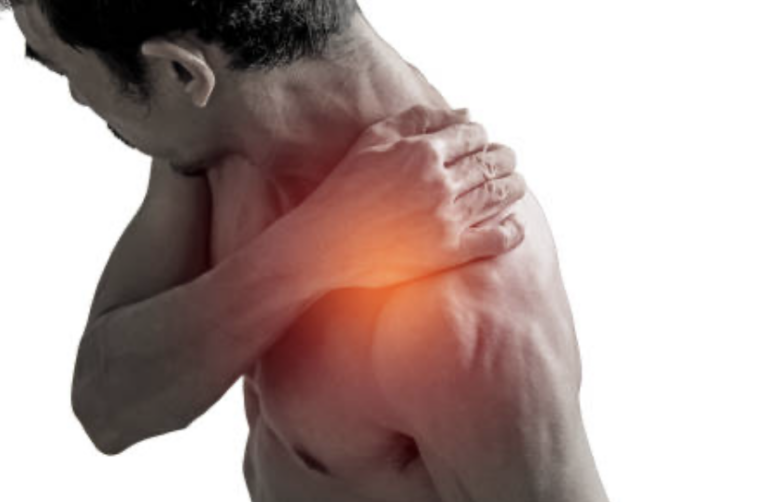

A deep pinching feeling in the front of the hip when you squat down, tie your shoelaces, or get out of a low car seat. It is not the same as a muscle ache. It feels more mechanical, like something is catching, and it usually happens at a very specific point in the movement.
That description matches hip impingement, also called femoroacetabular impingement or FAI, one of the more common causes of deep hip pain in active adults. It happens when the ball and socket of the hip joint do not glide smoothly, because of the shape of the bone, the position of the labrum, or both, and they pinch against each other at certain angles.
What actually causes hip impingement?
Femoroacetabular impingement comes from a mismatch in the shape of the femoral head (the ball) or the acetabulum (the socket). Some people are simply born with a slightly different bone shape, which is called cam or pincer type impingement depending on where the extra bone sits. This is not something you did wrong. It is anatomy, and a lot of people live with it and never have symptoms.
Symptoms tend to show up when the surrounding muscles, particularly the deep hip rotators and glutes, are not controlling the joint well enough to keep the femoral head centred during movement. Heavy squatting, football, martial arts, and dance are common triggers, but so is simply sitting very low or very often, since deep hip flexion is exactly the position where impingement tends to pinch.
What are the typical symptoms?
- A sharp or pinching pain deep in the groin or side of the hip, often described with a C-shaped hand gesture over the hip
- Pain that appears at a specific point in a squat, lunge, or when crossing the legs
- A feeling of the hip catching, clicking, or locking briefly
- Stiffness getting in and out of a car, or discomfort sitting in low seats
- Pain that can radiate into the buttock or down the front of the thigh
Does hip impingement mean I need surgery?
Not necessarily, and this is worth saying clearly because a lot of people assume a bony diagnosis automatically means an operation. Research over the past decade has shown that many people with the same bone shape on a scan have no pain at all, which tells us the shape alone is not the whole story. Movement pattern, muscle control, and joint loading matter just as much.
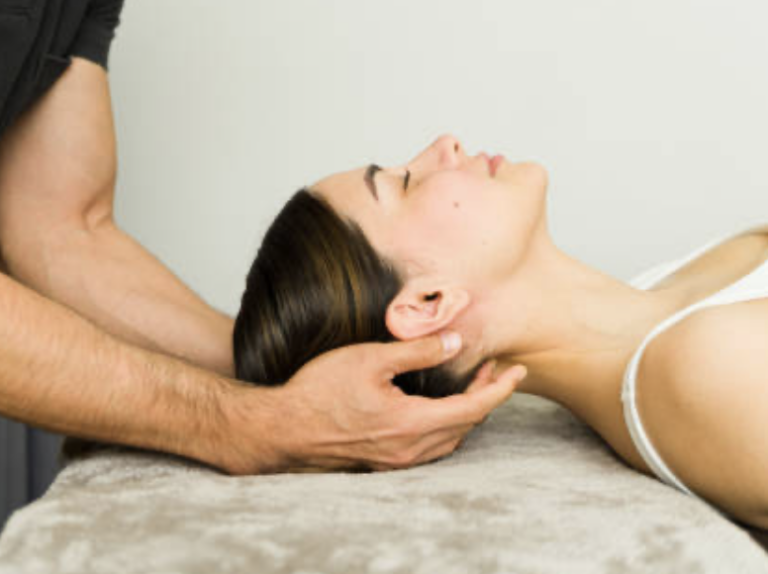
A structured physiotherapy programme, often combining manual therapy with targeted exercise, is usually the first approach, focusing on improving hip control, addressing compensations in the lower back and pelvis, and gradually building tolerance to deeper ranges of hip flexion. Surgery is reserved for cases where conservative treatment has genuinely been given a fair trial and symptoms are still limiting daily life or sport.
How is hip impingement assessed?
A physiotherapist in Dubai will usually run through a series of specific hip movement tests to reproduce the pinching sensation, check the range of motion in different directions, and assess how well the deep hip muscles are controlling the joint. Imaging can help confirm the bony shape, but it is only one part of the picture, not the whole diagnosis.
It also matters to rule out other causes of deep hip pain that can feel similar, such as labral irritation without impingement, hip flexor tendon issues, or referred pain from the lower back.
What does treatment actually involve?
- Improving control of the deep hip rotators and glutes so the femoral head tracks centrally in the socket
- Gradually and carefully building range into deep hip flexion, rather than avoiding it completely
- Adjusting technique in sports or gym movements that consistently trigger the pinch, like deep squats
- Addressing lower back and pelvic mobility, since a stiff lower back often forces more range through the hip than it should absorb
Progress with hip impingement is usually gradual rather than instant. Most people notice fewer sharp pinching episodes within several weeks of consistent work, with continued improvement in strength and range over a few months.
Frequently asked questions
Can hip impingement go away on its own?
Mild cases can settle with activity modification, but if the pinching pain is frequent or affecting daily movements, targeted physiotherapy usually speeds up recovery considerably.
Is running bad for hip impingement?
Running itself is not usually the problem, since it does not involve deep hip flexion. Activities like deep squats, football, or dance are more commonly aggravating.
What is the difference between hip impingement and a labral tear?
They often occur together. Repeated impingement can gradually irritate or damage the labrum, the cartilage rim around the hip socket, so the two are closely related rather than separate problems.
Can I still exercise with hip impingement?
Yes, in most cases exercise should continue with some adjustments to depth and technique, rather than being avoided altogether. Complete rest rarely helps and can weaken the muscles that protect the joint.
How long does hip impingement rehab take?
Many people see a meaningful reduction in symptoms within six to eight weeks of consistent rehab, though full return to demanding sport can take a few months.
If deep hip pinching is stopping you from squatting, sitting comfortably, or playing sport the way you used to, it is worth getting it properly assessed rather than working around it indefinitely. You can book a session here.
Want to live longer, and feel better while doing it?
Twice a week I share practical, physiotherapy-backed insights on longevity, movement and healthspan — no fads, just what actually works.

Marcos Jusdado is a physiotherapist and osteopath at Kinesis Clinic, Vida Emirates Hills, in the heart of Dubai. With 9 years of experience and over 12,000 sessions, he specialises in sport physiotherapy, functional neurology (P-DTR), vestibular rehabilitation and chronic pain, working with everyone from busy professionals to competitive athletes. His approach focuses on finding the root cause of pain rather than just treating the symptoms, helping his patient to achieve long-lasting results.