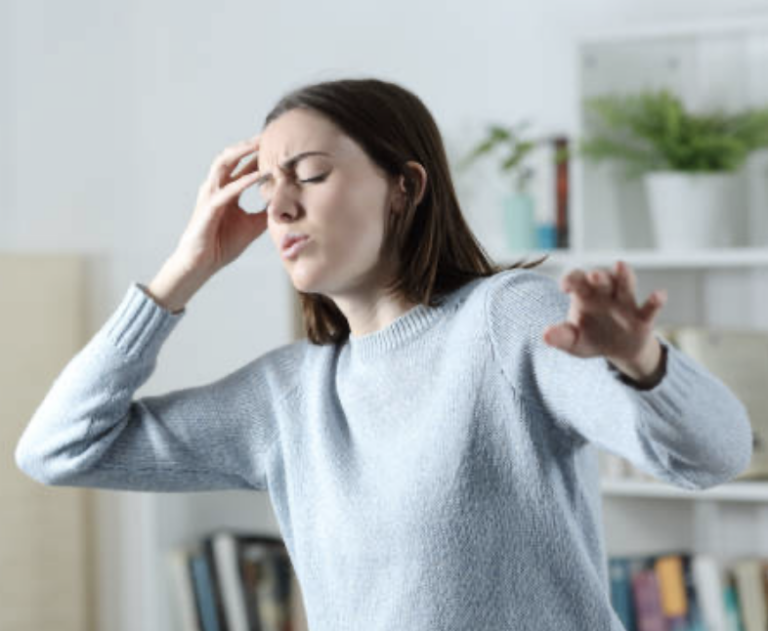

It starts as a twinge when shaking hands or lifting a kettle off the stove. A few weeks later, gripping a tennis racquet sends a sharp pain across the outside of the elbow, and even opening a jar becomes uncomfortable. This is the usual story of tennis elbow, and despite the name, plenty of people who have never picked up a racquet get it too.
Tennis elbow, known clinically as lateral epicondylalgia, is an overload problem in the tendons that attach to the bony bump on the outside of the elbow. In tennis players it is often linked to the backhand, a late contact point, or a grip and string tension that puts extra load through the forearm. The good news is that it responds well to the right treatment, and most people recover fully without surgery.
What actually causes tennis elbow?
The forearm extensor tendons, particularly one called extensor carpi radialis brevis, take repeated strain every time the wrist extends against resistance. In tennis, that happens on every backhand and every time the racquet decelerates after a shot. Over weeks and months the tendon accumulates small amounts of damage faster than it can repair, and it starts to break down at a microscopic level rather than simply becoming inflamed. That distinction matters, because it explains why rest alone rarely fixes it.
- A one-handed backhand with a late or low contact point
- A grip size that is too small, forcing the forearm muscles to work harder
- Strings pulled too tight, which transmits more shock into the arm
- Sudden increases in playing volume, such as a tennis trip or tournament week
- Desk work that already leaves the forearm fatigued before a match
In Dubai this last point comes up often. A lot of players are DIFC professionals who type all day and then head straight to an evening match, and the forearm never really gets a break between the two.
How is it diagnosed?
Tennis elbow is usually diagnosed from the story and a physical exam rather than a scan. A physiotherapist will press along the outside of the elbow to find the tender spot, and test resisted wrist and finger extension to reproduce the pain. Grip strength is often reduced on the affected side, sometimes by a surprising amount. An ultrasound or MRI is occasionally used if the picture is unclear or if symptoms have lasted many months without improvement, but it is not needed to start treatment.
What does treatment actually involve?
Contrary to old advice, complete rest is not the answer. Tendons need a certain amount of loading to remodel and get stronger, so treatment usually blends short-term calming down of symptoms with a structured loading programme.
- Load management, which means reducing but not stopping activity, and adjusting racquet grip size, string tension, and technique where needed
- Isometric and eccentric exercises for the wrist extensors, which are well supported by research for reducing tendon pain
- Manual therapy to the forearm muscles and elbow joint to reduce stiffness and improve movement quality
- A gradual return-to-tennis plan, building back up in volume and intensity rather than jumping straight back into full matches
Bracing, such as a counterforce strap just below the elbow, can take some load off the tendon during the day and during matches while the underlying rehab does the real work. Most people notice a meaningful difference within four to six weeks of consistent exercise, though full tendon recovery in more stubborn cases can take a few months.
Can technique changes prevent it coming back?
Yes, and this is often the part that gets skipped. A physiotherapist working with a tennis player will look beyond the elbow itself, checking shoulder and trunk rotation, grip technique, and how much the forearm is being asked to compensate for weaker links elsewhere in the kinetic chain. A late backhand that relies on the wrist to generate power is a classic setup for recurring symptoms, even after the initial pain has settled.
Frequently asked questions
Do I need to stop playing tennis completely?
Usually not. Most players can keep playing in some modified form while rehab is underway, adjusting volume, technique or equipment rather than stopping outright.
How long does tennis elbow take to heal?
Many people see real improvement within four to six weeks of consistent exercise therapy, though tendons that have been irritated for months can take longer to fully settle.
Will a cortisone injection fix it?
An injection can reduce pain in the short term, but research shows it does not address the underlying tendon changes and symptoms often return without a proper loading programme alongside it.
Is tennis elbow the same as golfer’s elbow?
No. Tennis elbow affects the tendons on the outside of the elbow, while golfer’s elbow affects the tendons on the inside, though the treatment principles are similar.
Can a smaller racquet grip make it worse?
Yes, a grip that is too small forces the forearm muscles to work harder to stabilise the racquet, which can aggravate an already irritated tendon.
If elbow pain is holding back your tennis or making everyday tasks uncomfortable, it does not have to become a long-term problem. Dedicated sports physiotherapy in DIFC can assess what is driving the load through your tendon and build a plan to get you back on court. You can book a session here.
Want to live longer, and feel better while doing it?
Twice a week I share practical, physiotherapy-backed insights on longevity, movement and healthspan — no fads, just what actually works.
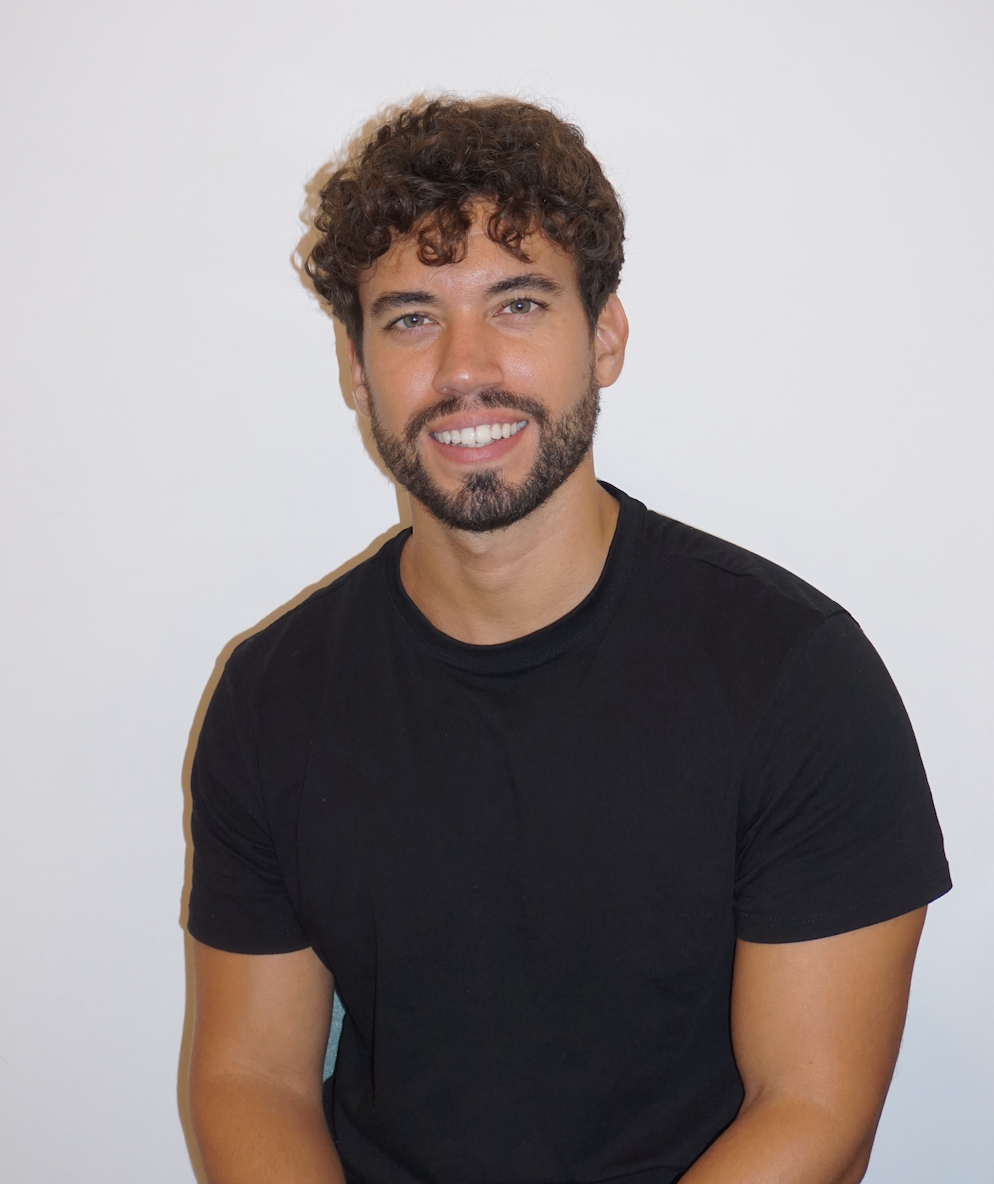
Marcos Jusdado is a physiotherapist and osteopath at Kinesis Clinic, Vida Emirates Hills, in the heart of Dubai. With 9 years of experience and over 12,000 sessions, he specialises in sport physiotherapy, functional neurology (P-DTR), vestibular rehabilitation and chronic pain, working with everyone from busy professionals to competitive athletes. His approach focuses on finding the root cause of pain rather than just treating the symptoms, helping his patient to achieve long-lasting results.