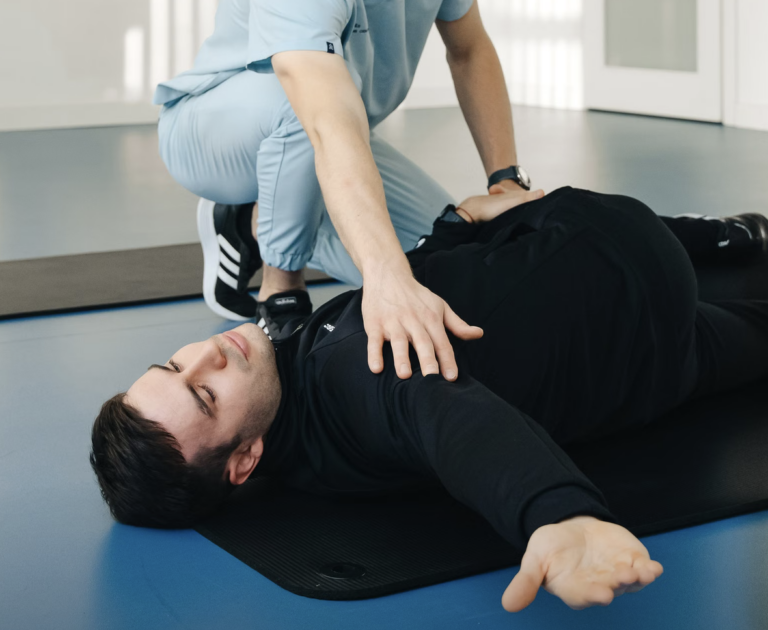
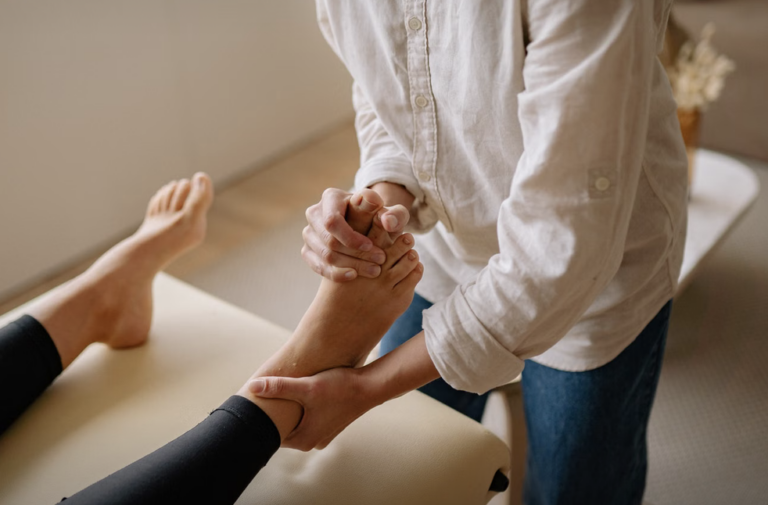
Neither wins outright. Manual therapy, hands-on techniques like joint mobilisation and soft tissue work, tends to bring faster short-term relief, while therapeutic exercise builds the strength and movement capacity that keeps pain from coming back. The best results in most research come from combining both within a well-rounded plan of physiotherapy treatments, not picking one over the other.
It’s a common question after a first physiotherapy session: why did the practitioner spend half the time on hands-on treatment and the other half handing over exercises to do at home? Understanding what each actually does helps explain why they’re usually paired together rather than treated as competing options.
What is manual therapy actually doing?
Manual therapy covers techniques like joint mobilisation, manipulation, soft tissue massage and myofascial release. It can reduce pain quickly, sometimes within a single session, by calming an overprotective nervous system response and briefly improving joint movement. What it’s probably not doing, despite how it’s often marketed, is permanently “realigning” anything or physically breaking up scar tissue in any lasting structural sense. The relief is real, but the mechanism is more about the nervous system and short-term tissue changes than a permanent mechanical fix.
What is therapeutic exercise actually doing?
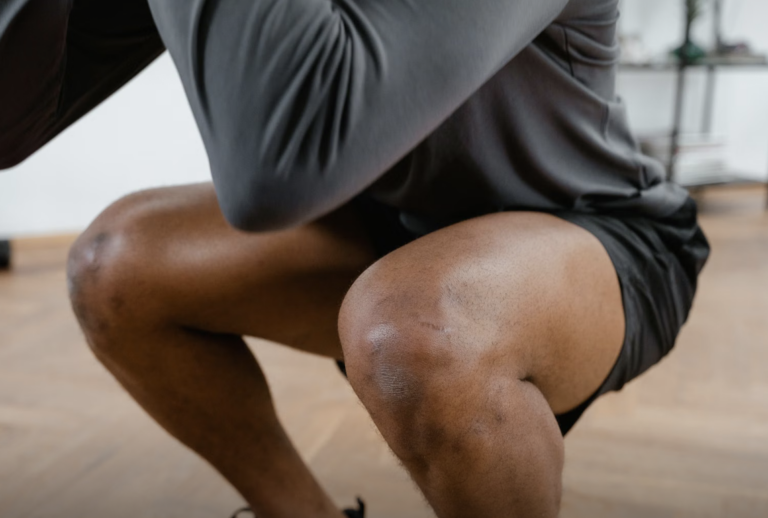
Therapeutic exercise, targeted strengthening, mobility work and movement retraining, builds tissue capacity and changes how the body tolerates load over time. It works slower than manual therapy in the first session or two, but the gains tend to last, because the tissue itself gets stronger and the movement pattern that caused the problem in the first place gets corrected.
So which one actually works better?
- For fast relief in an acute flare-up: manual therapy usually has the edge, since it can reduce pain and improve movement within one or two sessions.
- For long-term outcomes and preventing recurrence: therapeutic exercise consistently comes out ahead in research, particularly for chronic back and neck pain.
- For tendon problems: loading exercise is the primary evidence-based treatment, manual therapy plays a supporting role at best.
- For stiff, painful joints with limited range: a combination tends to outperform either approach alone.
Why do most physiotherapists use both?
Because they solve different problems on different timelines. Manual therapy can reduce pain enough to make exercise possible and comfortable in the first place. Someone in too much pain to move well often can’t engage properly with a strengthening programme until that pain has come down a notch. Once it has, exercise becomes the tool that actually changes the underlying capacity of the tissue, which manual therapy alone can’t do.
Is manual therapy without exercise a waste of money?
Not entirely, especially for short-term relief or in cases where movement is genuinely restricted. But relying on repeated hands-on treatment alone, week after week, without ever progressing to active exercise, tends to create a pattern where relief only lasts until the next appointment. That’s a sign to ask for the plan to evolve.
Does the research actually back this up?
Yes. Studies on chronic low back pain, neck pain and shoulder impingement consistently show that combined manual therapy and exercise outperforms either alone, and that exercise-only approaches often match or beat manual-therapy-only approaches over a longer follow-up period. A physiotherapist in DIFC treating a lot of desk-based professionals will usually lean more heavily on exercise and movement correction once the acute pain has settled, since sitting posture and lack of movement are often the real drivers.
Which one should I ask for if I only have time for a short session?
It depends on the stage of your problem. Early and painful favours manual therapy first, settled but weak favours exercise, and a good physiotherapist will usually blend both within the time available.
Can I just do exercises at home without seeing anyone?
For mild, well-understood issues, yes, but an accurate diagnosis first avoids strengthening the wrong movement pattern or aggravating something that needed a different approach.
Why do I feel better after manual therapy but the pain comes back a few days later?
That usually means the underlying strength or movement pattern hasn’t changed yet, which is exactly what a therapeutic exercise programme is meant to address.
Is manual therapy safe for everyone?
Most people tolerate it well, but certain conditions like osteoporosis, recent fractures or specific spinal conditions need techniques adapted or avoided, which is why a proper assessment comes first.
How long before exercise starts working?
Meaningful strength and capacity changes typically take four to six weeks of consistent work, though some pain relief can appear sooner as movement confidence improves.
If pain has been bouncing back after treatment alone, it might be time to shift more weight onto the exercise side of the plan. You can book a session here.
Want to live longer, and feel better while doing it?
Twice a week I share practical, physiotherapy-backed insights on longevity, movement and healthspan — no fads, just what actually works.

Marcos Jusdado is a physiotherapist and osteopath at Kinesis Clinic, Vida Emirates Hills, in the heart of Dubai. With 9 years of experience and over 12,000 sessions, he specialises in sport physiotherapy, functional neurology (P-DTR), vestibular rehabilitation and chronic pain, working with everyone from busy professionals to competitive athletes. His approach focuses on finding the root cause of pain rather than just treating the symptoms, helping his patient to achieve long-lasting results.