
It usually creeps in slowly. A dull ache on the outside of the elbow after a Saturday morning game, gone again by Monday. Then one week it doesn’t fade. Gripping the racket for a bandeja starts to sting, and shaking hands after the match hurts more than the match itself. That is padel elbow, and with courts filling up across Dubai every evening, it has become one of the most common reasons players end up looking for treatment.
Padel elbow sits in the same family as tennis elbow, known medically as lateral epicondylalgia. It is an overload injury of the tendons attaching to the bony bump on the outside of the elbow, the ones that control wrist extension and grip strength. Padel loads these tendons constantly. Every volley, every bandeja and every defensive block near the glass asks the forearm to absorb force, and the angles are slightly different from tennis, which is part of why so many tennis players are caught off guard when padel is what finally triggers it.
Why does padel cause this more than people expect?
Padel racket construction plays a big part. There are no strings to absorb shock, so the racket is solid and rigid, and more of the impact travels straight into the forearm on every shot. A mistimed volley or a fast bounce off the glass adds a jolt the tendon was not ready for.
- A stringless, rigid racket that transmits more vibration into the forearm
- Repeated volleys played with a locked or slightly bent wrist instead of a relaxed one
- Off-centre hits, especially on defensive shots taken close to the back glass
- A grip size that is too small, forcing the forearm muscles to work harder to control the racket
- Playing several matches in a row without enough recovery between sessions
How can you tell it’s padel elbow and not something else?
The pain is usually located precisely on the bony point on the outside of the elbow, and it gets worse with specific movements rather than all the time. Lifting a kettle, turning a door handle, or shaking hands can all bring on a sharp twinge. On court, the backhand volley and any shot that involves gripping hard through impact tend to be the most painful.
It is worth noting this is different from golfer’s elbow, which sits on the inside of the joint, and from nerve-related pain, which tends to travel down into the forearm or fingers with tingling. A proper assessment can tell the difference quickly, because the treatment approach is not the same.
What actually helps padel elbow heal?
The tendon needs two things at once: less of the load that keeps aggravating it, and enough of the right load to rebuild its capacity. Complete rest rarely works on its own, tendons tend to get weaker and more sensitive when they are left alone completely, then flare up again the moment play resumes.
A physiotherapist in DIFC treating padel elbow will usually combine hands-on work to reduce local irritation with a structured strengthening programme, often starting with slow, controlled loading of the wrist extensors and building up from there. Taping or a counterforce brace can take pressure off the tendon during the early weeks, and adjusting grip size or technique often prevents it coming straight back once play resumes.
Most players see a real change within four to six weeks if the loading plan is followed properly, though a tendon that has been irritated for months can take longer to settle. The good news is that padel elbow responds well to the right approach, and very few cases need injections or surgery.
Can you keep playing while it heals?
Often yes, in a modified way. Reducing the number of sessions per week, avoiding high-intensity smashes and volleys temporarily, and focusing drills on footwork rather than repeated hard contact can keep a player on court while the tendon settles. Stopping completely is sometimes necessary in more irritable cases, but it is not usually the first choice.
Frequently asked questions
How long does padel elbow take to heal?
Mild cases often improve within four to six weeks with the right loading programme, while longstanding cases can take two to three months to fully settle.
Is padel elbow the same as tennis elbow?
They are essentially the same condition, lateral epicondylalgia, just triggered by a different sport with slightly different movement patterns and impact forces.
Should I stop playing padel completely?
Most players do not need to stop entirely. Reducing intensity and volume while following a proper rehab plan usually works better than total rest.
Does a bigger grip size help prevent it?
Yes, in many cases. A grip that is too small forces the forearm to work harder on every shot, so sizing it correctly can reduce strain considerably.
Can physiotherapy fix padel elbow without injections?
In the vast majority of cases, yes. A structured strengthening and load management plan resolves padel elbow without the need for injections or surgery.
If that ache on the outside of your elbow has been hanging around longer than a couple of weeks, it is worth getting it looked at before it changes the way you play. A sports physiotherapist in Dubai can assess the tendon properly and build a plan to get you back to full-strength volleys. You can book a session here.
Want to live longer, and feel better while doing it?
Twice a week I share practical, physiotherapy-backed insights on longevity, movement and healthspan — no fads, just what actually works.
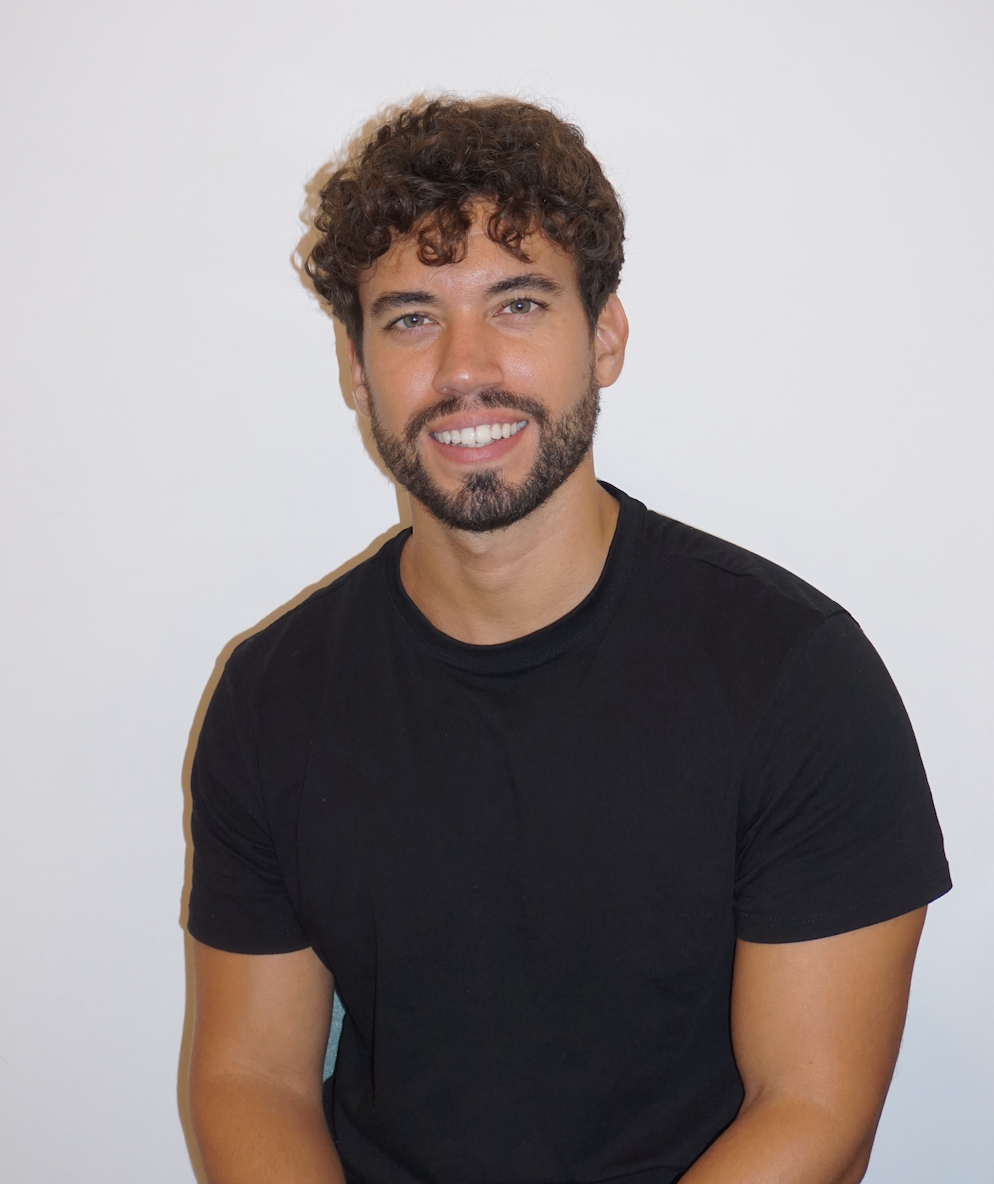
Marcos Jusdado is a physiotherapist and osteopath at Kinesis Clinic, Vida Emirates Hills, in the heart of Dubai. With 9 years of experience and over 12,000 sessions, he specialises in sport physiotherapy, functional neurology (P-DTR), vestibular rehabilitation and chronic pain, working with everyone from busy professionals to competitive athletes. His approach focuses on finding the root cause of pain rather than just treating the symptoms, helping his patient to achieve long-lasting results.