
Most people think balance is something to worry about much later in life. The truth is it starts declining quietly decades earlier, and by the time a fall happens, a lot of ground has already been lost. The good news is that balance is highly trainable at any age.
Why does balance decline?
Balance relies on strength, quick reflexes, good joint movement, and the coordination of your inner ear, eyes and neck. All of these fade gradually if they aren’t used and challenged. A sedentary, desk-based lifestyle, very common in Dubai, speeds that decline up, because you rarely test your balance in daily life.
What are the early signs?
- Feeling less steady on uneven ground or in the dark
- Reaching for a wall or rail more than you used to
- Difficulty standing on one leg, for example when putting on trousers
- A general sense of being less sure on your feet
These are easy to shrug off, but they’re an early invitation to do something while it’s still simple.
Why does it matter so early?
Because falls are one of the biggest threats to independence later in life, and the strength and balance that prevent them are built years in advance. Training them in your 40s and 50s is far easier than trying to rebuild them after a fall.
How does a physiotherapist help?
A physiotherapist can measure your balance objectively, find the weak links, whether that’s strength, reflexes, the inner ear or the neck, and build a programme that challenges your balance safely and progressively. If dizziness is part of the picture, that gets addressed too through vestibular rehabilitation, because the two are closely linked.
Frequently asked questions
Can balance really be improved?
Yes, at any age. It’s one of the most trainable and reversible parts of physical health.
I’m not old, is this relevant to me?
Very. The best time to protect your balance is well before you notice a problem.
How is balance tested?
Through simple, specific tasks that challenge your stability under different conditions, along with checks of your strength, neck and inner ear.
If you’ve noticed you’re a little less steady than you used to be, it’s the ideal time to act. A physiotherapist can assess you and build the right plan. You can book a session here.
Want to live longer, and feel better while doing it?
Twice a week I share practical, physiotherapy-backed insights on longevity, movement and healthspan — no fads, just what actually works.
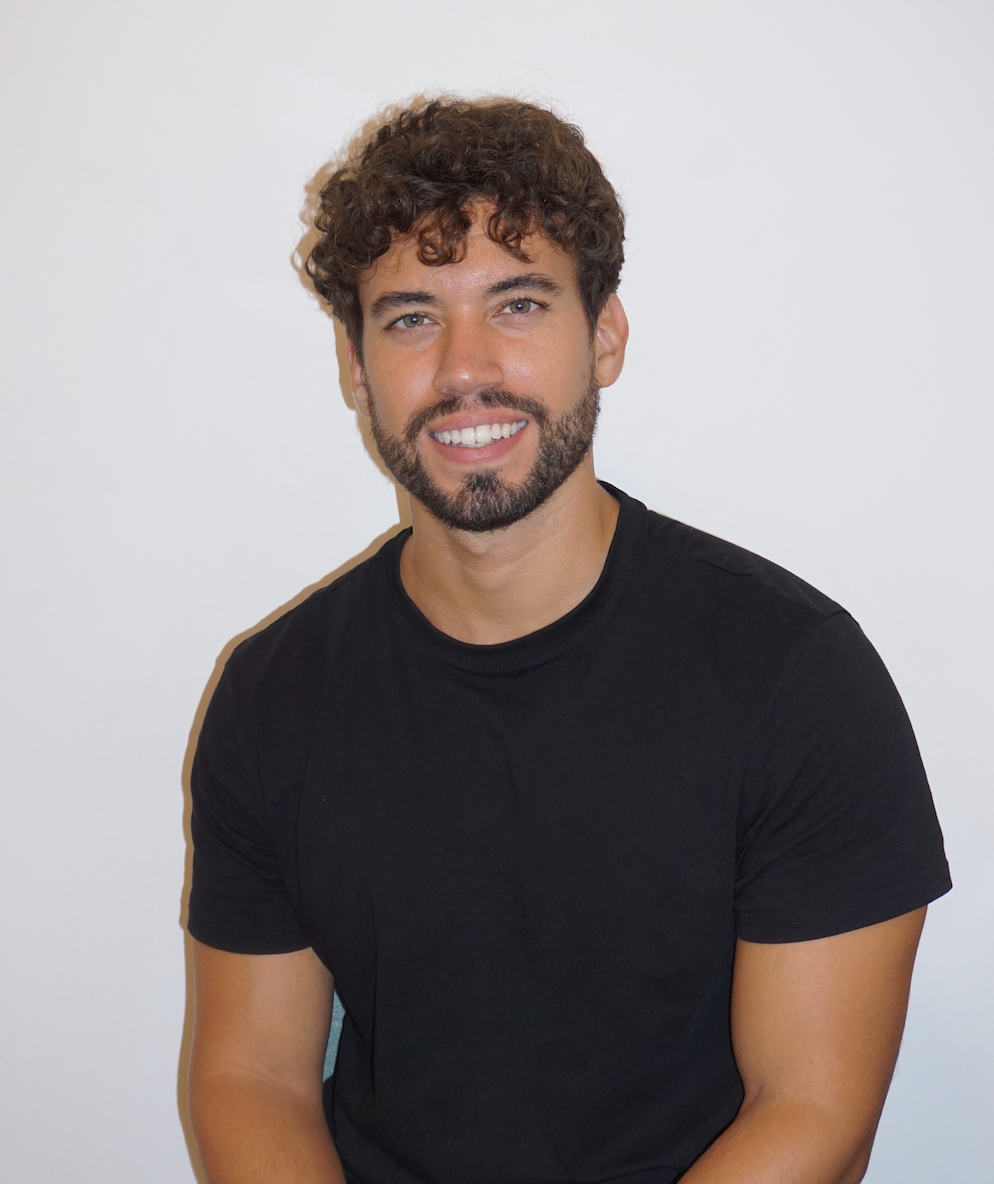
Marcos Jusdado is a physiotherapist and osteopath at Kinesis Clinic, Vida Emirates Hills, in the heart of Dubai. With 9 years of experience and over 12,000 sessions, he specialises in sport physiotherapy, functional neurology (P-DTR), vestibular rehabilitation and chronic pain, working with everyone from busy professionals to competitive athletes. His approach focuses on finding the root cause of pain rather than just treating the symptoms, helping his patient to achieve long-lasting results.