
It rarely happens in a single dramatic moment. Overuse injuries in CrossFit tend to creep in over weeks, a shoulder that feels slightly off during overhead work, a knee that grumbles during box jumps, a lower back that tightens up after every heavy deadlift day. Athletes often keep training through it because nothing feels acutely wrong, until one day it does.
CrossFit’s strength is also what makes it prone to overuse problems. High training frequency, varied movements, and a culture that rewards pushing through discomfort combine to put repeated stress on the same joints and tendons, often without enough recovery time built in between.
Which overuse injuries come up most in CrossFit?
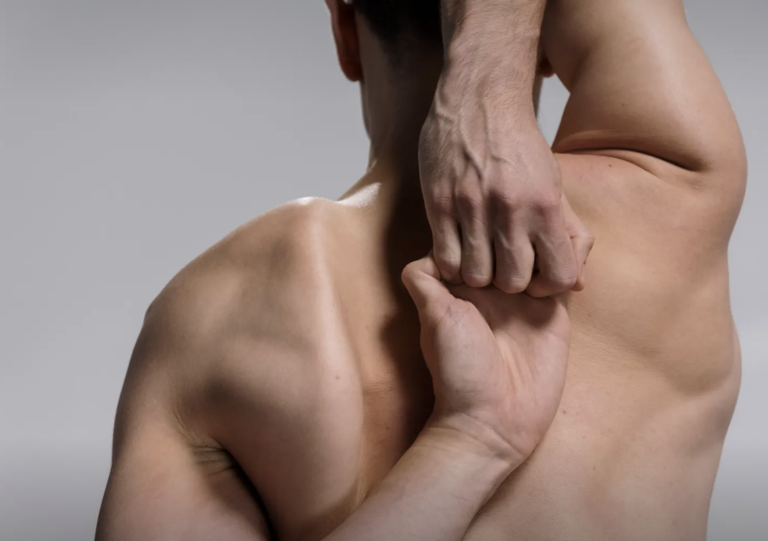
- Shoulder impingement and rotator cuff irritation, from high volumes of overhead pressing, pull-ups, and gymnastics work
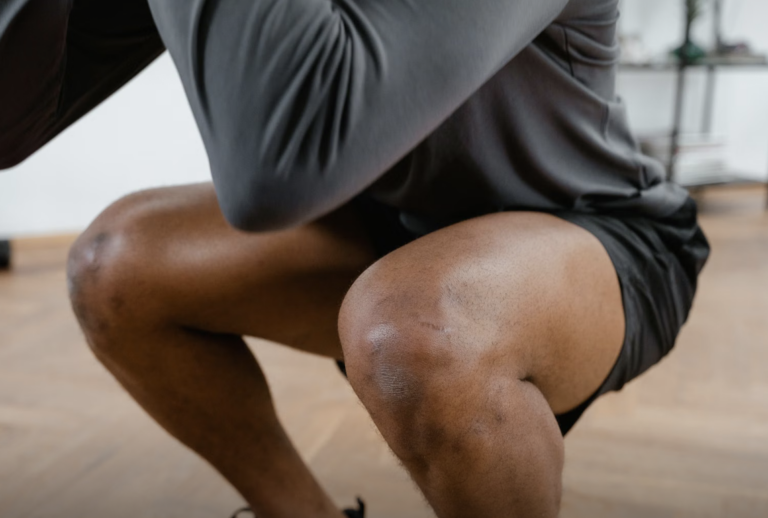
- Patellar tendinopathy, from repeated squatting, lunging, and jumping under load
- Lower back strain, most often linked to deadlifts, cleans, and snatches performed with breakdown in form under fatigue
- Wrist pain, from front rack positions, handstand push-ups, and high volumes of pressing
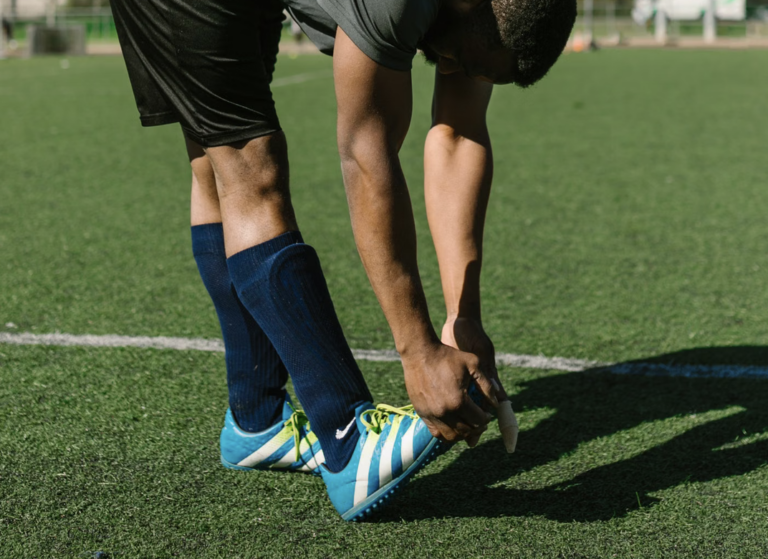
- Achilles and patellar tendon irritation, from repeated box jumps and double unders
What most of these share is a pattern of repeated, high-volume loading of the same tissue without enough variation or recovery, sometimes called cumulative microtrauma. A single heavy session rarely causes this kind of injury on its own, it is the accumulation over weeks and months that does the damage.
Why does this keep happening even to experienced athletes?
Programming plays a role. Some boxes cycle high-skill, high-volume movements like snatches or muscle-ups frequently without enough deload weeks, and athletes who chase every workout as written, rather than scaling on high-fatigue days, accumulate stress faster than their tissues can adapt to. Mobility restrictions matter too. Limited shoulder or hip mobility forces compensations elsewhere, often the lower back or the wrists, that show up as pain over time rather than immediately.
How is an overuse injury assessed?
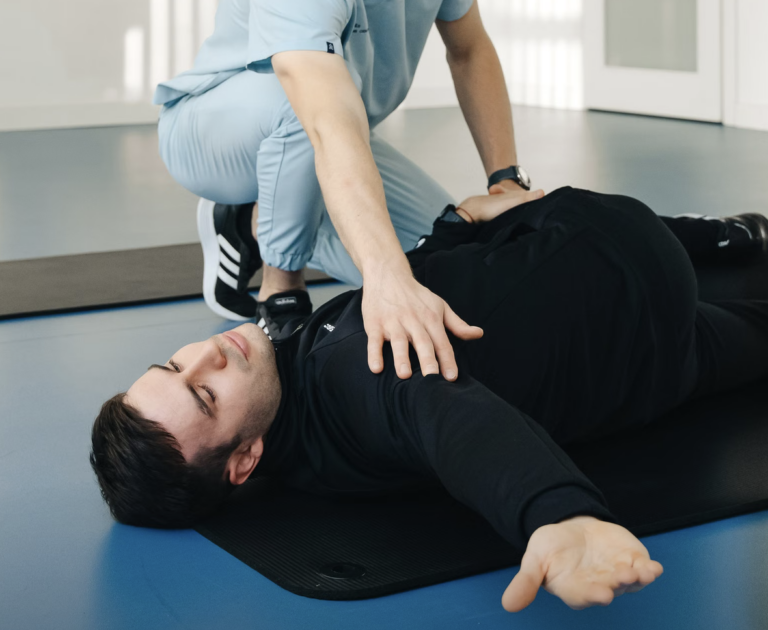
A physiotherapist will look closely at training history, not just the current pain, since the movement pattern, frequency, and load that led up to the injury usually explain a lot about why it happened. Joint mobility, particularly shoulder and hip range, is checked alongside strength and movement quality in the specific lifts that provoke symptoms. Watching an athlete perform the actual movement, a snatch, a strict press, a box jump, often reveals the exact point in the movement where the tissue is being overloaded.
What does treatment look like?
- Load management, adjusting volume and intensity of the specific movements driving the pain, rather than stopping training altogether
- Addressing mobility restrictions that are forcing compensation, particularly through the shoulders, hips, and thoracic spine
- Targeted strengthening of the irritated tendon or joint, since most overuse injuries respond well to progressive loading rather than rest
- Movement and technique coaching, working alongside coaches where useful to adjust positions under load
- A structured return to full programming, reintroducing high-skill or high-volume movements gradually
Most athletes can keep training in some capacity throughout rehab, scaling the specific movement that is irritated while continuing everything else. Recovery timelines vary by tissue and how long symptoms had been building, but many people notice solid progress within four to six weeks of consistent, targeted work.
Can overuse injuries be prevented?
Listening to early warning signs matters more than almost anything else. A joint that feels slightly off for two sessions in a row is worth addressing before it becomes a three-month injury. Beyond that, building in deload weeks, maintaining shoulder and hip mobility, and being honest about scaling on fatigued days all reduce cumulative load significantly.
Frequently asked questions
Should I stop CrossFit completely if I have an overuse injury?
Usually not. Most overuse injuries can be managed by scaling the specific movement that provokes symptoms while continuing to train around it.
Why does my shoulder only hurt during overhead movements?
Overhead positions place the shoulder at end range under load, which tends to expose mobility restrictions or rotator cuff weakness that other movements do not reveal.
How do I know if it is overuse or something more serious?
Gradual onset pain that builds with a specific repeated movement usually points to overuse, while sudden, sharp pain with a specific event is worth having assessed sooner rather than later.
Does scaling mean I am not making progress?
No, scaling to manage load while a tissue recovers is what allows consistent long-term training, rather than the stop-start cycle that comes from ignoring pain until it forces a break.
How long do CrossFit overuse injuries usually take to resolve?
Many resolve within four to six weeks with the right load adjustments and strengthening, though tendon-related issues in particular can take longer to fully settle.
If a niggle has been following you around the box for weeks, it is worth getting to the bottom of it rather than hoping it fades on its own. A physiotherapist specialising in sports injuries in Dubai who understands CrossFit training can help you keep training while it resolves properly. You can book a session here.
Want to live longer, and feel better while doing it?
Twice a week I share practical, physiotherapy-backed insights on longevity, movement and healthspan — no fads, just what actually works.

Marcos Jusdado is a physiotherapist and osteopath at Kinesis Clinic, Vida Emirates Hills, in the heart of Dubai. With 9 years of experience and over 12,000 sessions, he specialises in sport physiotherapy, functional neurology (P-DTR), vestibular rehabilitation and chronic pain, working with everyone from busy professionals to competitive athletes. His approach focuses on finding the root cause of pain rather than just treating the symptoms, helping his patient to achieve long-lasting results.