Traditional physiotherapy mainly treats the tissue and the movement pattern, the muscle, the joint, the exercise progression. P-DTR (Proprioceptive Deep Tendon Reflex) works from a different angle, testing how the nervous system is receiving and interpreting information from the body, and correcting faulty signals that can keep a muscle switched off or a pain pattern stuck, even when the tissue itself looks structurally fine. They’re not rivals so much as different entry points into the same problem.
People usually land on this comparison after traditional physiotherapy hasn’t fully resolved something, a nagging weakness, a pain that keeps moving around, or a joint that never quite feels stable despite months of strengthening. That’s often exactly the kind of case where a nervous-system-based approach like P-DTR becomes worth exploring.
What does traditional physiotherapy focus on?
It assesses strength, range of motion, movement quality and tissue tolerance, then builds a plan of manual therapy and progressive exercise to address what’s found. It works extremely well for most musculoskeletal problems, where the issue is genuinely mechanical, a tight structure, a weak muscle, a movement habit that overloads a joint.
What does P-DTR actually test and treat?
P-DTR is a form of functional neurology. It works on the idea that receptors throughout the body, in skin, muscles, joints and organs, send constant signals to the nervous system, and if one of those receptors is sending faulty information, the brain can respond by inhibiting a muscle or amplifying a pain signal as a protective measure, even without any ongoing tissue damage. A P-DTR assessment involves specific manual muscle testing to find where that faulty signal is coming from, then a targeted, often very brief correction to reset it.
How does this show up differently in a session?
- Traditional physiotherapy session: movement assessment, hands-on treatment on the affected area, exercises targeting strength and control.
- P-DTR session: muscle testing across seemingly unrelated areas of the body, identifying a receptor dysfunction that may be far from where the pain is felt, and a quick, specific correction.
It’s common for a P-DTR assessment to find that a knee weakness, for example, traces back to a receptor issue somewhere unexpected, a scar, an old injury site, or a visual or vestibular input, rather than the knee itself.
When does each approach make the most sense?
- Clear mechanical problems with an obvious cause, a recent strain, post-surgical rehab, a straightforward overuse injury: traditional physiotherapy is usually the right starting point.
- Recurring pain that keeps moving or returning despite good rehab, muscles that won’t seem to strengthen no matter how much they’re trained, or pain that doesn’t match any clear structural finding: this is where a functional neurology approach like P-DTR often finds something traditional assessment misses.
- Chronic, complex or unexplained pain patterns: combining both often works better than either alone.
Can the two be combined?
Yes, and in practice this is often the most effective approach. A practitioner trained in both functional neurology and traditional physiotherapy can use P-DTR to find and correct why a muscle isn’t firing properly, then use conventional strengthening and movement work to build on that correction. Dubai has a small but growing number of practitioners trained in P-DTR, including physiotherapists in DIFC who blend it into a broader assessment rather than treating it as a stand-alone therapy.
Is P-DTR scientifically proven?
The evidence base is smaller and less established than for traditional physiotherapy, though clinical results and patient-reported outcomes have driven its growing adoption among practitioners internationally.
Does P-DTR hurt?
No, the testing and corrections are generally gentle and involve light touch or resisted muscle testing rather than forceful manipulation.
Do I need traditional physiotherapy first before trying P-DTR?
Not necessarily, though a clear diagnosis of what’s structurally going on is still useful context, even if the treatment approach ends up being neurologically based.
How many P-DTR sessions are typically needed?
Many people notice a change after just one or two sessions, since corrections can take effect quickly, though ongoing or complex issues may need several sessions to fully resolve.
Is P-DTR only for pain, or does it help with other things?
It’s used for a range of issues beyond pain, including balance problems, dizziness, and unexplained weakness, since the underlying principle is about nervous system signalling rather than one specific body part.
If a nagging issue hasn’t fully resolved with conventional treatment, it might be worth having it looked at from a functional neurology angle. You can book a session here.
Want to live longer, and feel better while doing it?
Twice a week I share practical, physiotherapy-backed insights on longevity, movement and healthspan — no fads, just what actually works.
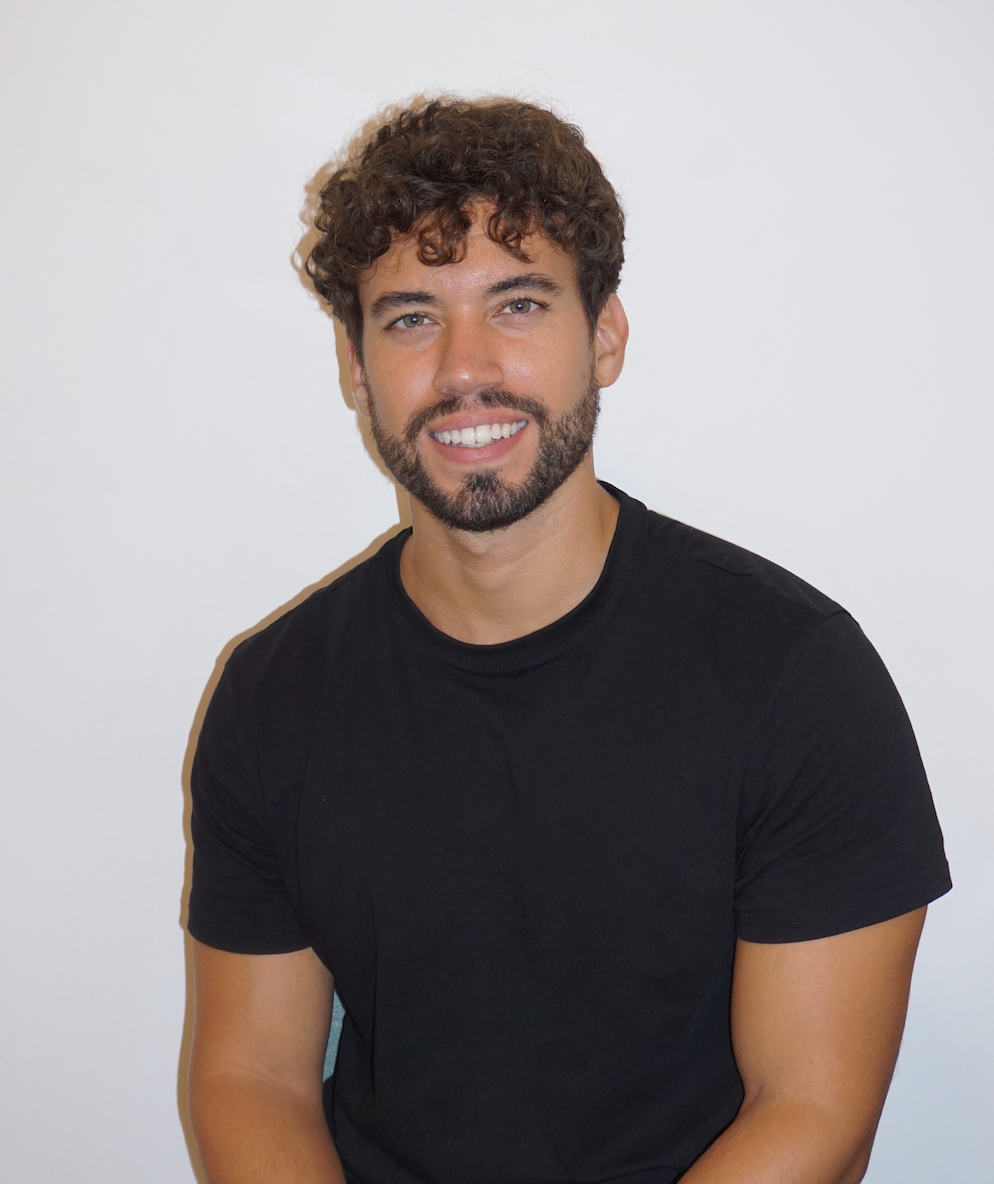
Marcos Jusdado is a physiotherapist and osteopath at Kinesis Clinic, Vida Emirates Hills, in the heart of Dubai. With 9 years of experience and over 12,000 sessions, he specialises in sport physiotherapy, functional neurology (P-DTR), vestibular rehabilitation and chronic pain, working with everyone from busy professionals to competitive athletes. His approach focuses on finding the root cause of pain rather than just treating the symptoms, helping his patient to achieve long-lasting results.