

You’ve had the massages. You’ve stretched, foam-rolled, iced and rested. The pain eases for a day or two, then walks right back in.
If that sounds familiar, the issue might not be the muscle at all. It might be the nervous system that controls that muscle. That’s the idea behind P-DTR, and it’s one of the main reasons people travel across Dubai to try a functional neurology approach after everything else has stalled.
What does P-DTR actually stand for?
P-DTR means Proprioceptive Deep Tendon Reflex. It sounds technical, so here’s the plain version.
Your body is covered in sensors that constantly report to your brain, telling it how much a muscle is stretched, how much pressure is on a joint, how hot or cold your skin is. Your brain uses that stream of information to decide how to move and where to brace.
Sometimes, after an injury or an overload, some of those sensors start sending faulty information. The brain acts on that bad data and protects you in the wrong place, tightening one muscle, switching off another, or leaving pain turned on long after the tissue has healed.
Why does this matter for pain that won’t go away?
Most treatments work on the tissue, the tight muscle or the stiff joint. That’s useful, but if the signal driving the problem is faulty, treating the tissue only helps for a while.
This is why so many people feel stuck in a loop:
- Pain that keeps returning to the same spot
- A muscle that won’t switch on no matter how much you train it
- An old injury that never fully resolved
- Pain that doesn’t match what the scans show
In these cases the body isn’t broken, it’s misinformed. And that’s exactly what a functional neurology approach targets.
How does a P-DTR session work?
Instead of guessing, the approach uses your body’s own reflexes as a source of information. A practitioner tests how your muscles respond to specific inputs to locate which sensors are giving faulty signals. Then, using precise stimulation, they help the nervous system read the correct information again.
When it works, the change can feel surprisingly quick. A muscle that was weak suddenly holds, a movement that hurt suddenly doesn’t. It isn’t magic, it’s the brain updating its map.
Who is it for?
P-DTR is used with a wide range of people in Dubai:
- Desk professionals with recurring neck, back or headache patterns
- Athletes and gym-goers chasing a nagging injury that won’t settle
- Golfers and runners who want to unlock a performance limit
- Anyone who has been told “your scans are fine” but still doesn’t feel right
It isn’t a replacement for exercise, strength work or solid rehab. It works alongside them. Think of it as fixing the wiring so the training you do actually sticks.
The bottom line
If your pain keeps coming back to the same place despite doing all the right things, the missing piece might not be more effort. It might be a faulty signal that no amount of stretching will fix.
Frequently Asked Questions
Is P-DTR painful?
No. Most of the testing and correction involves light touch and gentle stimulation, not deep pressure or manipulation, so sessions are usually quite comfortable.
How many sessions does P-DTR usually take?
Many people notice a change after the first session, but it depends on how long the problem has been running and how many faulty signals are involved. A practitioner will usually have a clearer idea after the first assessment.
Do I need a referral or a scan before trying P-DTR?
Not usually. P-DTR is often most useful for people whose scans already came back clear but who still have pain or dysfunction, since it looks at how the nervous system is controlling the body rather than at the tissue itself.
Can P-DTR be combined with regular physiotherapy or strength training?
Yes, and it usually works best that way. P-DTR helps correct the signals driving a problem, while exercise and rehab build the strength and control on top of that corrected foundation.
Is P-DTR only for injuries, or can it help performance too?
Both. Plenty of athletes and gym-goers in Dubai use it to unlock a movement or muscle that never seems to switch on properly, not just to treat pain.
A physiotherapist trained in P-DTR and functional neurology can run a thorough P-DTR assessment to test for exactly that, and often change it faster than you’d expect. You can book a session here.
Want to live longer, and feel better while doing it?
Twice a week I share practical, physiotherapy-backed insights on longevity, movement and healthspan — no fads, just what actually works.
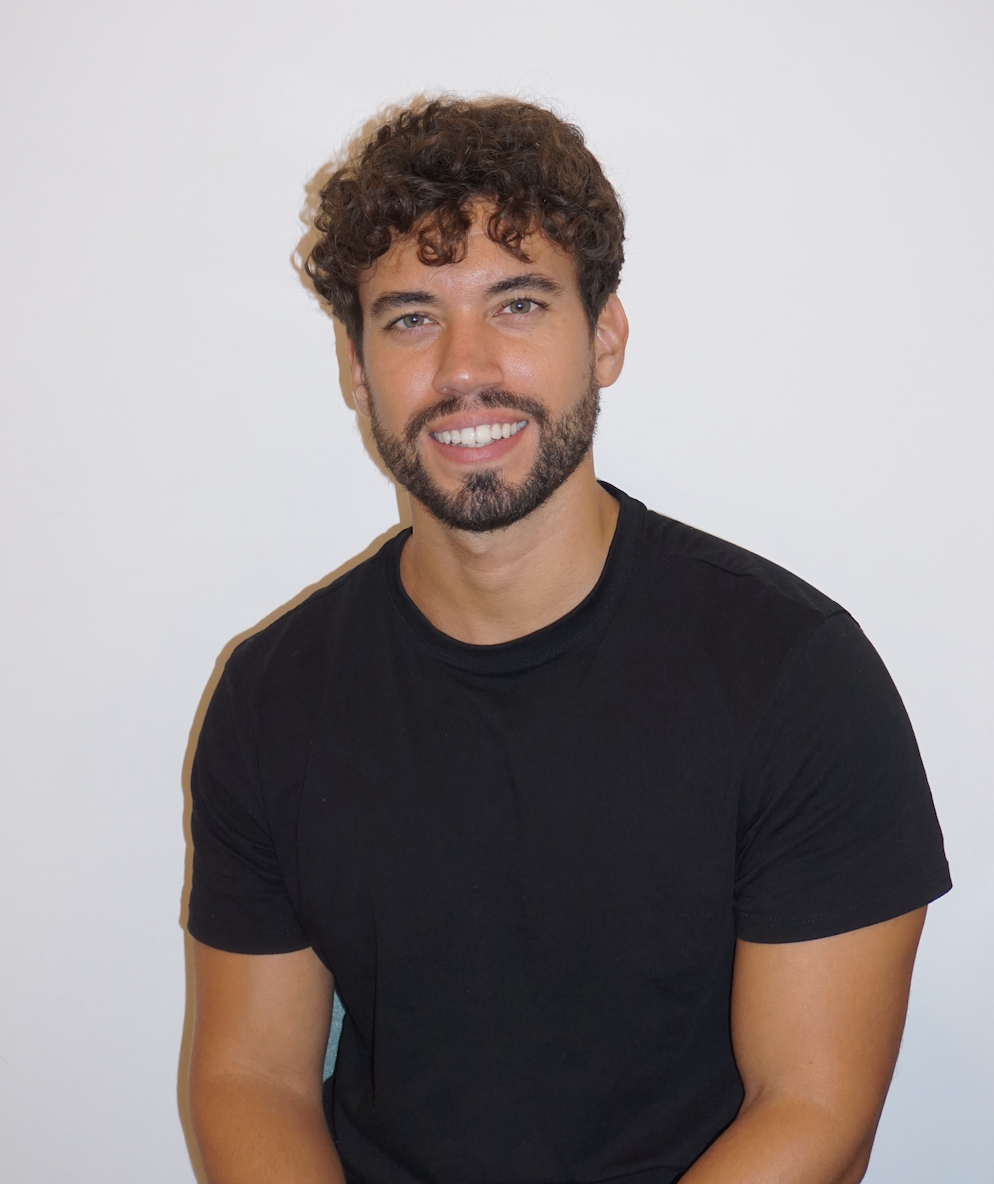
Marcos Jusdado is a physiotherapist and osteopath at Craft Clinic, The Ritz-Carlton DIFC, in the heart of Dubai. With 9 years of experience and over 12,000 sessions, he specialises in sport physiotherapy, functional neurology (P-DTR), vestibular rehabilitation and chronic pain, working with everyone from DIFC professionals to athletes. His approach focuses on finding the root cause of pain rather than just treating the symptoms.