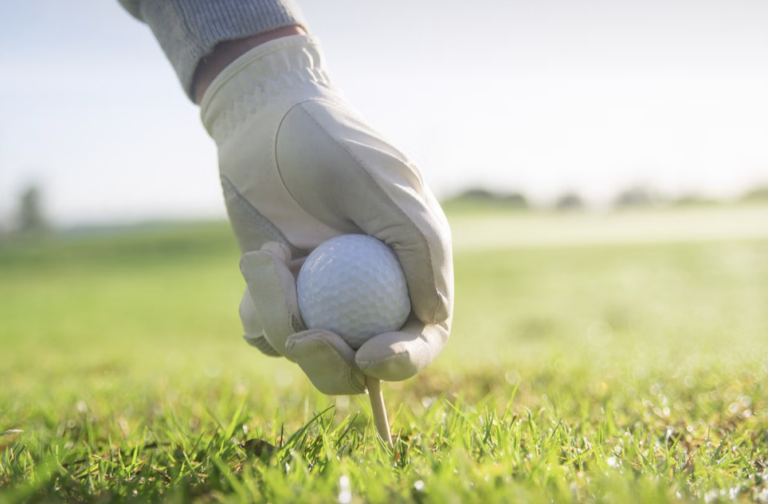
Despite the name, most people who develop golfer’s elbow have never swung a club in their life. It’s a term that’s stuck around because it’s catchy, but the condition itself, medial epicondylitis, is really about repetitive strain on the tendons attached to the inside of the elbow, and golf is just one of many ways to load them the wrong way for too long.
The pain sits on the bony bump on the inner side of the elbow, where the tendons of the forearm’s wrist-flexor muscles attach. When those tendons are repeatedly stressed beyond what they can recover from between uses, small areas of the tendon start to break down, causing pain, tenderness, and a noticeable loss of grip strength.
What causes golfer’s elbow?
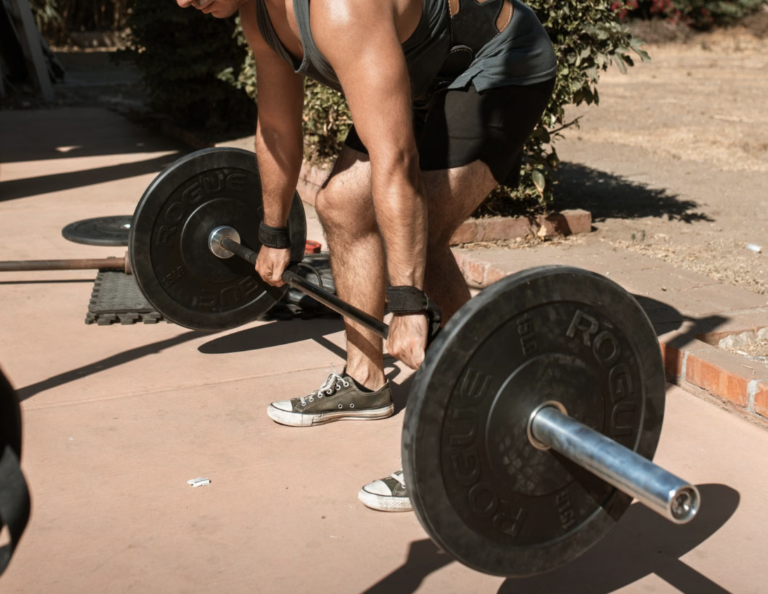
- Repetitive gripping and wrist-flexing movements, whether from golf, but also racquet sports, weightlifting, climbing, or manual trades
- Sudden increases in training load, such as ramping up gym sessions or a new sport too quickly
- Repetitive computer mouse and keyboard use, which loads the same forearm tendons in smaller but constant doses throughout the working day
- Poor technique in sports or gym movements that places excess strain through the inner elbow
- Age-related changes in tendon quality, which make tendons less tolerant of sudden or repeated load from the late 30s onward
How do I know it’s golfer’s elbow and not something else?
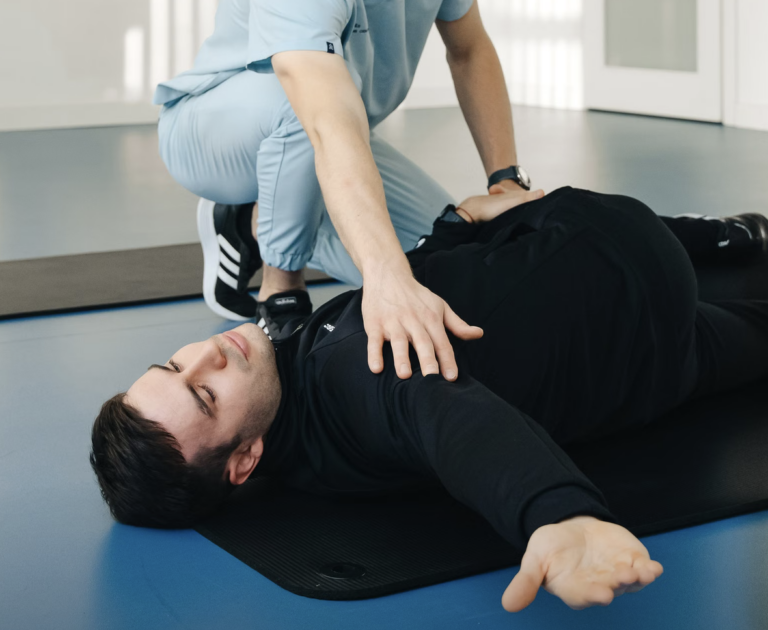
The pain is fairly localised to the inner elbow and often radiates a short way down the inside of the forearm. It typically worsens with gripping activities, from shaking hands to opening a jar, and with movements that flex the wrist against resistance. A physiotherapist can confirm this with specific tests that reproduce the pain at the inner elbow, and can also rule out nerve involvement, since the ulnar nerve runs close to this area and can sometimes cause overlapping symptoms like tingling into the ring and little fingers.
How is golfer’s elbow treated?
The instinct to completely rest the arm is understandable but usually counterproductive. Tendons need some load to heal well, just not the load that’s currently aggravating them. Effective treatment typically combines temporarily reducing or modifying the aggravating activity with a progressive strengthening programme for the forearm and wrist muscles, building the tendon’s capacity back up gradually rather than all at once.
- Isometric exercises in the early, more painful stage, which can reduce pain while maintaining some tendon loading
- Progressive resistance exercises as pain settles, focused on the wrist flexors and grip
- Manual therapy to address tightness in the forearm muscles and improve tissue mobility
- Golf physiotherapy-led technique review for golf, gym work, or repetitive tasks that may be driving the strain
- A gradual, structured return to the aggravating activity rather than an abrupt one
How long does it take to get better?
Golfer’s elbow is notorious for being slow. Mild cases can improve within a few weeks, but more established cases, especially ones that have been present for months before treatment starts, often take two to three months of consistent rehab to resolve properly. Tendons simply adapt more slowly than muscles, and rushing the process tends to trigger flare-ups that set recovery back further than being patient in the first place.
What if it’s linked to my job rather than sport?
For people doing repetitive manual work, or spending long days on a keyboard and mouse, the elbow rarely gets a real break during the working week, which makes recovery slower unless the daily load is adjusted alongside the rehab exercises. Small changes, like adjusting mouse position, taking regular micro-breaks from gripping tasks, and building forearm strength outside of work hours, all help the tendon actually get ahead of the daily strain rather than staying just behind it.
Frequently asked questions
Is golfer’s elbow the same as tennis elbow?
No. Golfer’s elbow affects the tendons on the inner side of the elbow, while tennis elbow affects the tendons on the outer side. The underlying mechanism and treatment approach are similar, but the location and specific muscles involved differ.
Should I stop playing golf or lifting weights completely?
Usually not entirely. A physiotherapist can help you modify grip, technique, or volume so you can keep training while the tendon recovers, rather than stopping altogether.
Does a brace help golfer’s elbow?
A forearm strap can reduce strain on the tendon during specific activities, which some people find helpful, but it’s a supportive measure rather than a substitute for the strengthening work that actually resolves the condition.
Will rest alone fix it?
Rest can reduce pain temporarily, but the tendon usually needs a structured reloading programme to fully recover, otherwise symptoms tend to return as soon as the aggravating activity resumes.
Can golfer’s elbow become a chronic problem?
It can if left unaddressed for a long time, as the tendon changes become harder to reverse. Starting proper treatment early gives the best chance of a full and lasting recovery.
If inner elbow pain is affecting your grip or your game, it’s worth having it assessed and treated properly rather than pushing through it. You can book a session here.
Want to live longer, and feel better while doing it?
Twice a week I share practical, physiotherapy-backed insights on longevity, movement and healthspan — no fads, just what actually works.
Marcos Jusdado is a physiotherapist and osteopath at Kinesis Clinic, Vida Emirates Hills, in the heart of Dubai. With 9 years of experience and over 12,000 sessions, he specialises in sport physiotherapy, functional neurology (P-DTR), vestibular rehabilitation and chronic pain, working with everyone from busy professionals to competitive athletes. His approach focuses on finding the root cause of pain rather than just treating the symptoms, helping his patient to achieve long-lasting results.