Deadlifts get blamed for a lot of lower back pain, and sometimes fairly, but the movement itself is not the villain most people assume it to be. A well-executed deadlift is one of the best tools available for building a genuinely resilient lower back. The trouble usually comes from how the lift is being performed, how quickly load has increased, or a back that was already fatigued or poorly prepared before the bar left the floor.
When pain does show up, it is worth understanding what actually happened rather than simply deciding deadlifts are dangerous and avoiding them for good, since that often leads to a weaker, less resilient back over the long run.
What typically goes wrong with deadlift form?
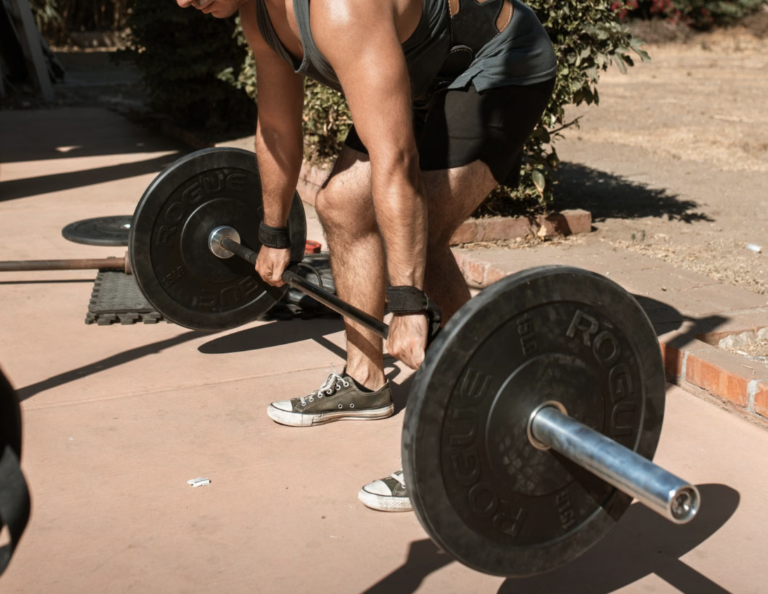
- Rounding through the lower back as the bar leaves the floor, particularly on heavier sets or the last few reps of a set
- The bar drifting away from the body, which increases the lever arm and dramatically raises the load on the spine
- Hips rising faster than the chest, turning the lift into something closer to a stiff-legged good morning than a true deadlift
- Starting the pull from a poor set-up position, with the hips too high or too low relative to the shoulders and bar
- Rapid increases in load or volume without the surrounding tissues being conditioned to handle it
Any one of these on its own might not cause a problem. Combined, especially under fatigue at the end of a heavy session, they are a common recipe for a strained lower back.
Is deadlifting actually bad for the back?
No, and this is worth being clear about. Research consistently shows that deadlifting, done with reasonable technique and progressive loading, strengthens the muscles and connective tissue supporting the spine and is associated with reduced rates of lower back pain, not increased ones. The injuries that do happen are usually about load management and technique breakdown rather than the exercise being inherently harmful.
How is deadlift-related back pain assessed?
A physiotherapist will usually want to watch the actual lift, since video or a live demonstration often reveals exactly where the form breaks down, commonly right as the bar passes the knees or on the final reps of a heavy set. Hip hinge pattern, hamstring and glute flexibility, and core control are assessed, since limitations in any of these commonly push the lower back to compensate. The specific type of pain, sharp and localised versus a dull ache that spreads, also helps distinguish between a muscular strain, a joint irritation, or something involving the disc that needs a more cautious approach.
What does treatment and correction involve?
- Hip hinge retraining, often starting with lighter loads or regressions like a Romanian deadlift or kettlebell hinge to rebuild the movement pattern properly
- Addressing hamstring and hip mobility, since tightness here often forces the lower back to round to reach the bar
- Core and bracing technique, teaching how to create genuine trunk stability under load rather than just holding the breath
- Progressive loading, rebuilding strength and confidence in the lift step by step rather than avoiding it
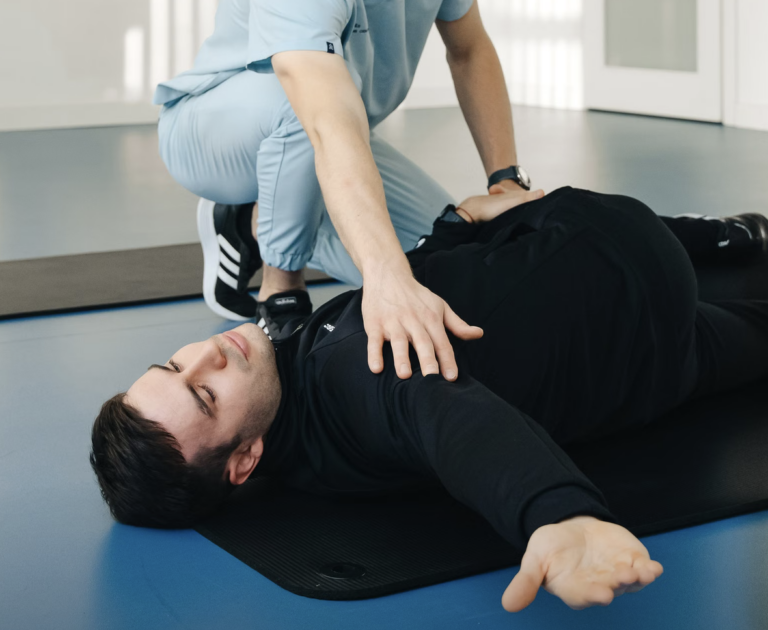
- Manual therapy where muscle guarding or joint stiffness is limiting recovery in the short term
Most people with a straightforward deadlift-related strain see solid improvement within two to four weeks, and with correct technique and sensible loading afterward, deadlifts can become one of the more protective exercises for their back rather than something to fear.
Should I stop deadlifting if my back hurts?
Usually only temporarily. Once the acute pain has settled, working back in with lighter loads and a cleaner pattern is generally more useful than avoiding the movement indefinitely, since a back that never loads under a hinge pattern does not become more resilient, it becomes less prepared for the demands of daily life.
Frequently asked questions
Is it normal for my lower back to feel tired after deadlifts?
Mild muscular fatigue is normal and expected, since the lower back muscles work hard during a deadlift. Sharp pain, or discomfort that lingers for days, is not and is worth assessing.
Should I wear a lifting belt to protect my back?
A belt can help with bracing on heavier lifts, but it is not a substitute for good technique and should not be relied on to compensate for poor form.
Can I still deadlift with a herniated disc?
Often yes, with appropriate modifications and guidance, though this depends on the individual case and should be assessed by a physiotherapist first.
How much should I increase my deadlift weight each week?
Small, gradual increases are safer than large jumps. As a general guide, progressing load by roughly five to ten percent at a time reduces the risk of overloading the back.
Why does my back only hurt on my heaviest set, not the warm-up sets?
Form often breaks down under maximum fatigue and load even when it looks fine on lighter sets, which is exactly when a physiotherapist or coach watching the lift can spot the issue.
If deadlifts have started causing more pain than progress, it does not mean you need to give them up for good. A physiotherapist in Dubai can assess your technique and build you back up safely. You can book a session here.
Want to live longer, and feel better while doing it?
Twice a week I share practical, physiotherapy-backed insights on longevity, movement and healthspan — no fads, just what actually works.

Marcos Jusdado is a physiotherapist and osteopath at Kinesis Clinic, Vida Emirates Hills, in the heart of Dubai. With 9 years of experience and over 12,000 sessions, he specialises in sport physiotherapy, functional neurology (P-DTR), vestibular rehabilitation and chronic pain, working with everyone from busy professionals to competitive athletes. His approach focuses on finding the root cause of pain rather than just treating the symptoms, helping his patient to achieve long-lasting results.