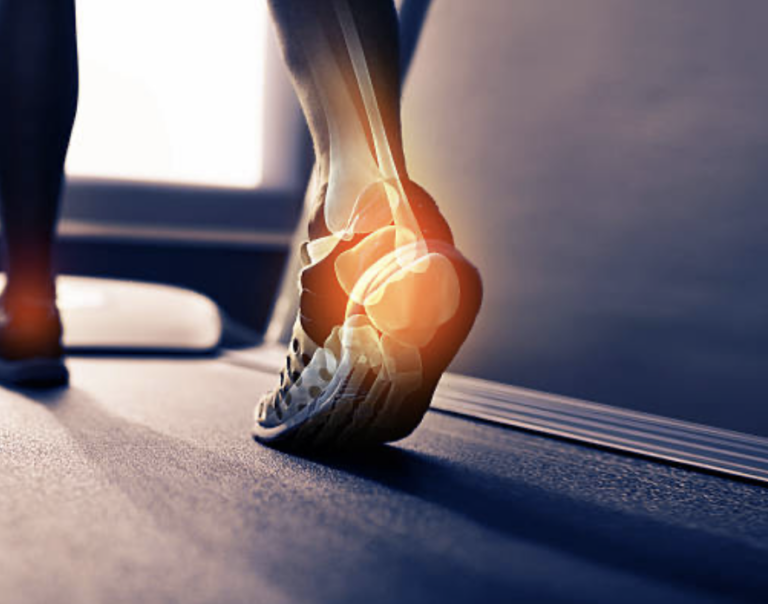

Lifting has a bad reputation for backs. Pick something up “wrong” and you’ll do your back in, or so the story goes. The truth is more nuanced and more empowering: your back is built to lift, and the way to protect it isn’t to avoid loading it, but to load it well.
How lifting injuries actually happen
Most lifting-related back pain isn’t from a single “wrong” movement. It’s usually from doing too much, too soon, when your back isn’t prepared for it: lifting something much heavier than usual, after a sedentary spell, while tired or distracted. The load exceeds what the tissue is ready for on that day. It’s a capacity problem more than a technique catastrophe.
Is there really a “wrong” way to lift?
The old rule of “always lift with a straight back” is far too rigid. Backs are designed to bend and to load in many positions. Obsessing over perfect posture can actually make people fearful and stiff. What matters more is that the load matches your current capacity, and that you build that capacity over time.
Protecting your back, the right way
- Build capacity gradually. A back that’s used to loading handles it far better than one that isn’t.
- Warm up before heavy lifting, especially after sitting all day.
- Progress sensibly in the gym rather than jumping weights.
- Respect fatigue. Most tweaks happen on the last tired reps.
Notice this is about making the back stronger and more resilient, not avoiding lifting.
I already hurt my back lifting. Now what?
Don’t panic, and don’t wrap it in cotton wool. Most lifting strains settle well with gentle movement and a gradual return to loading. A physiotherapist can calm the pain, rebuild your confidence, and progress you safely back to lifting, often stronger than before.
Frequently asked questions
Should I avoid deadlifts if I have back pain?
Not necessarily. Loaded movements like deadlifts, done well and progressed sensibly, often help backs rather than harm them.
Is bending to lift dangerous?
No. Your back is designed to bend. Loading beyond your current capacity is the real risk, not the bend itself.
How do I get back to lifting after a tweak?
Gradually, guided by a plan. A physiotherapist can rebuild your load safely.
If lifting has hurt your back, or fear of it is holding you back, a sports physiotherapist can get you loading confidently and safely again. You can book a session here.
Want to live longer, and feel better while doing it?
Twice a week I share practical, physiotherapy-backed insights on longevity, movement and healthspan — no fads, just what actually works.
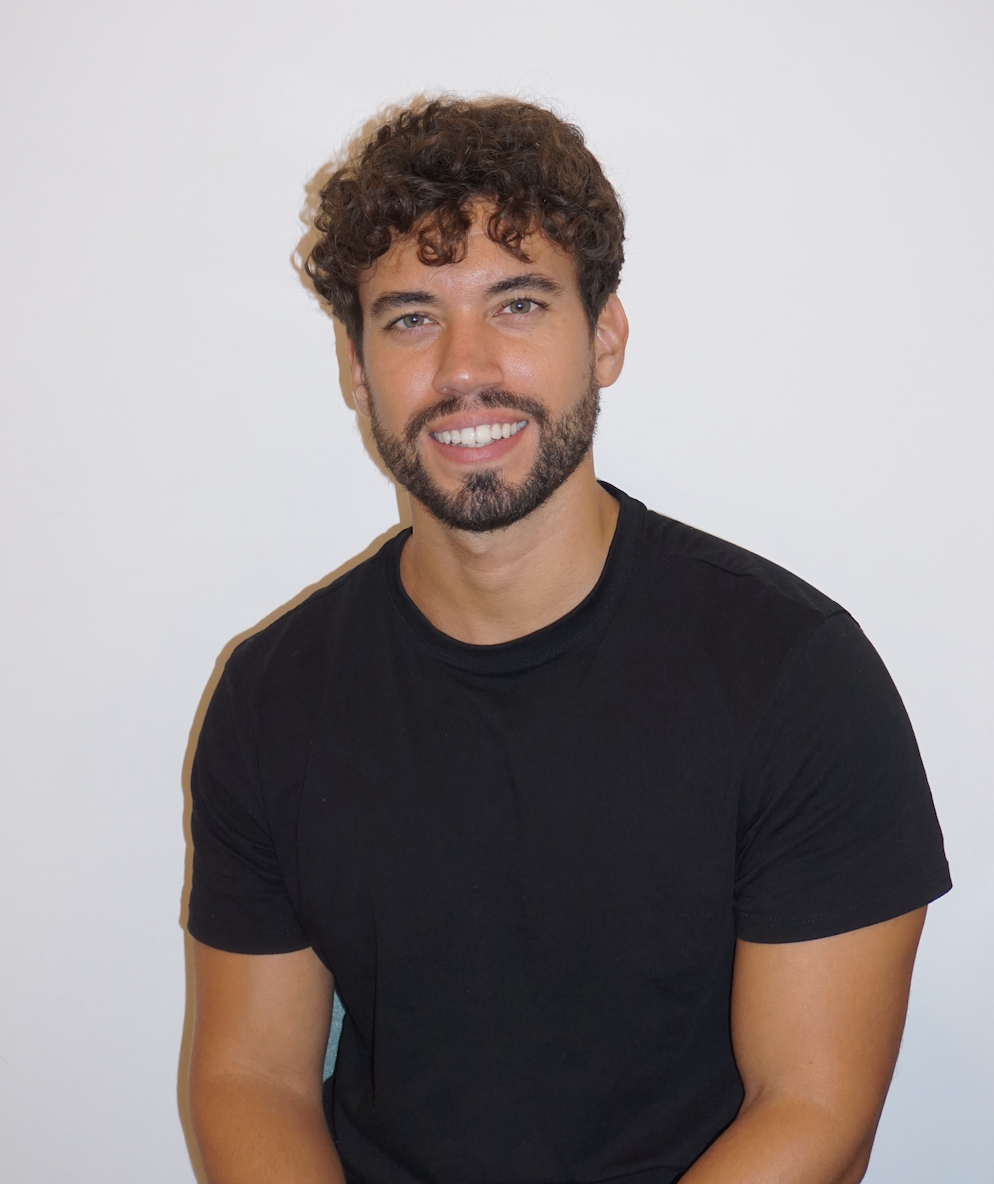
Marcos Jusdado is a physiotherapist and osteopath at Kinesis Clinic, Vida Emirates Hills, in the heart of Dubai. With 9 years of experience and over 12,000 sessions, he specialises in sport physiotherapy, functional neurology (P-DTR), vestibular rehabilitation and chronic pain, working with everyone from busy professionals to competitive athletes. His approach focuses on finding the root cause of pain rather than just treating the symptoms, helping his patient to achieve long-lasting results.