
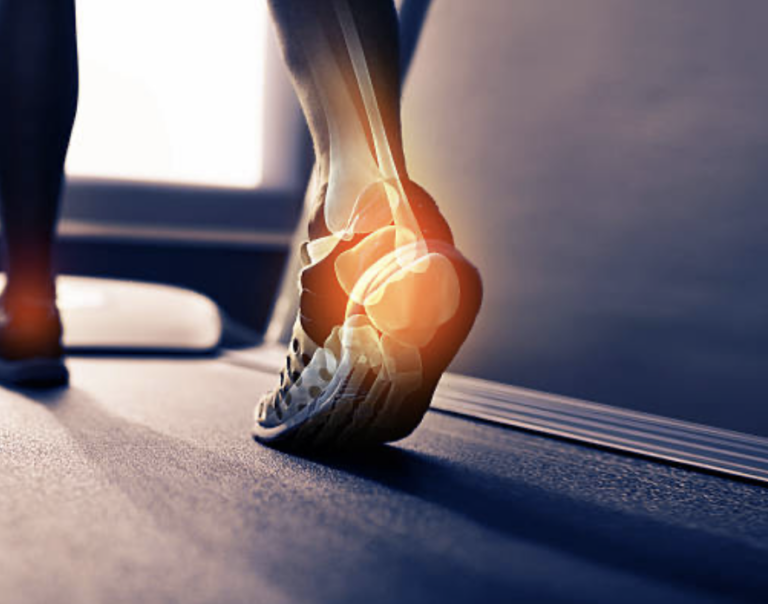
The alarm goes off, you swing your feet to the floor, take your first step, and a sharp, stabbing pain shoots through your heel. After a few minutes of moving it eases. Then it comes back after you’ve been sitting, or at the end of a long day.
That very specific pattern is the hallmark of plantar fasciitis, one of the most common causes of heel pain, and one of the most treatable when it’s approached correctly.
What is plantar fasciitis?
The plantar fascia is a thick band of tissue that runs along the bottom of your foot, from the heel to the toes. It supports your arch and absorbs load every time you take a step. When it gets overloaded it becomes irritated and painful, usually right where it attaches to the heel.
The classic signs are:
- Sharp heel pain in your first steps in the morning
- Pain that eases as you warm up, then returns later
- Worse after standing or walking a lot
- Tender to press on the inside of the heel
Why does it happen?
It’s almost always a load problem. The tissue is being asked to do more than it’s ready for. Common contributors are:
- A sudden increase in walking or running
- Long hours standing on hard floors
- Tight calves, which pull on the fascia
- Unsupportive footwear, including flat sandals in the Dubai heat
- Weakness in the foot and lower leg
Will it just go away on its own?
Sometimes, but it often lingers for many months, and people unknowingly feed it by changing how they walk, which then creates knee, hip or back problems. Treating it properly is usually faster and it prevents those knock-on effects.
How does a physiotherapist treat it?
A physiotherapist in DIFC will:
- Confirm it really is the fascia, since heel pain has several causes
- Reduce the irritation and take load off the tissue
- Release tight calves and restore ankle mobility through hands-on treatment
- Build foot and lower-leg strength so the fascia can handle load again
- Guide your footwear and training so it doesn’t return
The key is loading the tissue correctly, not just resting it, and not pushing through pain. Get that balance right and most cases resolve well.
When to get it looked at
- Morning heel pain has lasted more than two weeks
- It’s changing how you walk
- Standing or walking has become something you avoid
- Home stretches aren’t making a lasting difference
Heel pain is easy to ignore until it starts shrinking your day. The earlier it’s addressed, the quicker it settles.
Frequently Asked Questions
How long does plantar fasciitis usually take to heal?
Most people notice real improvement within six to eight weeks of proper treatment, though mild cases can settle sooner. Ignoring it or only resting tends to make it drag on for months.
Should I stop walking or exercising altogether?
Not usually. Complete rest often makes the tissue weaker and slower to recover, so a physiotherapist will guide you on how much activity is safe rather than cutting it out entirely.
Do I need orthotics or special shoes?
Sometimes supportive footwear or insoles help in the short term, but they are rarely a long-term fix on their own. Addressing calf tightness and foot strength usually matters more.
Is plantar fasciitis linked to flat sandals in Dubai?
Yes, flat, unsupportive sandals worn for long periods on hard floors are a common contributor here, especially combined with a lot of standing or walking in the heat.
Can plantar fasciitis come back after it heals?
It can, particularly if the underlying causes such as tight calves or weak feet were never addressed. Building lasting strength and mobility is what keeps it from returning.
If your first steps each morning are painful, you don’t have to tiptoe around it. A physiotherapist can find the cause and get you back on your feet comfortably. You can book a session here.
Want to live longer, and feel better while doing it?
Twice a week I share practical, physiotherapy-backed insights on longevity, movement and healthspan — no fads, just what actually works.
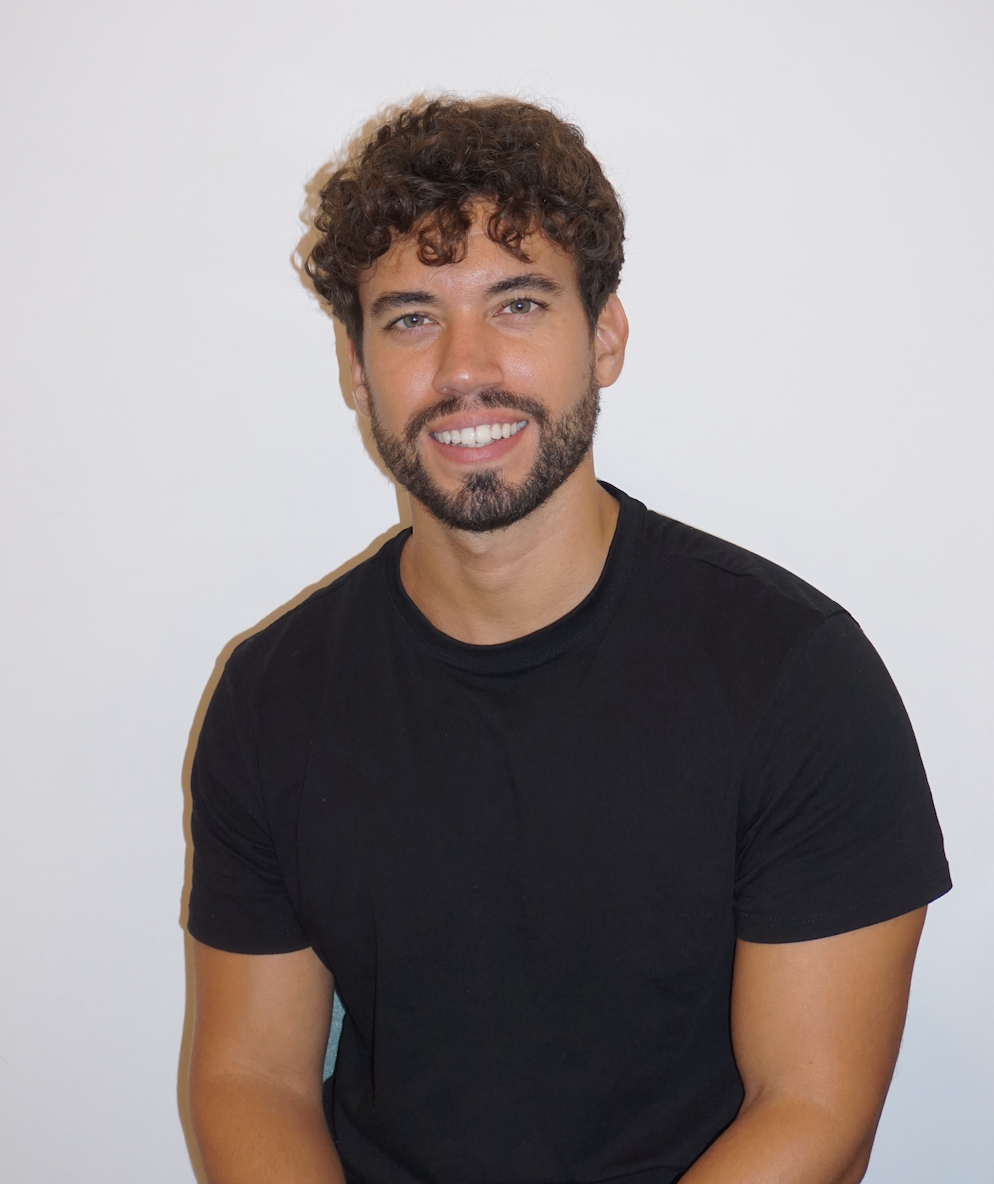
Marcos Jusdado is a physiotherapist and osteopath at Kinesis Clinic, Vida Emirates Hills, in the heart of Dubai. With 9 years of experience and over 12,000 sessions, he specialises in sport physiotherapy, functional neurology (P-DTR), vestibular rehabilitation and chronic pain, working with everyone from busy professionals to competitive athletes. His approach focuses on finding the root cause of pain rather than just treating the symptoms, helping his patient to achieve long-lasting results.