

It arrives like clockwork. You’re fine in the morning, then somewhere around 3pm a headache creeps in, a tight band around the head or pressure behind the eyes. Coffee doesn’t shift it. You push through, go home, and do it all again tomorrow. If that’s your afternoon in DIFC, it isn’t just tiredness.
Why headaches build through the afternoon
By mid-afternoon, several things have been quietly stacking up since you sat down. Your neck and shoulders have held a forward, static posture for hours. Your jaw has been clenching through calls and deadlines. Your eyes have been locked on screens. Each of these loads the muscles and joints that refer pain into your head, and by 3pm they’ve had enough.
Most office headaches come from the neck and jaw
This is the key thing most people miss. Daily headaches like these usually aren’t a head problem. They’re referred pain from the upper neck and the jaw, the two areas most loaded by desk work and stress. Treat the head with painkillers and you chase the symptom. Treat the neck and jaw and you often switch it off.
The usual triggers in DIFC
- Forward-head posture over a laptop or screens
- Jaw clenching under pressure
- Dehydration, easy to do in an air-conditioned tower
- Skipped movement and long stretches without a break
How to actually stop the 3pm headache
Painkillers are a patch. To make them less frequent, the driver has to be addressed. A physiotherapist in DIFC will assess the upper neck and jaw, release what’s referring pain into your head, and fix the posture and habits loading them. Alongside that, simple changes like movement breaks, hydration and screen height cut the daily buildup, and ongoing postural correction and breathing work keeps that load from rebuilding day after day. For most people, the afternoon headache goes from a daily event to a rare one.
Frequently asked questions
Why does it always happen in the afternoon?
Because the load accumulates through the day. By mid-afternoon the neck, jaw and eyes have been working without a real break for hours.
Could it be my eyes?
Eye strain can contribute, so it’s worth an eye check. But the neck and jaw are usually the main drivers of this pattern.
Is relying on painkillers a problem?
Regular painkiller use to get through the week is a sign the cause hasn’t been treated, and it can create its own issues. It’s worth addressing the source.
If your DIFC afternoons come with a reliable headache, it doesn’t have to be that way. A physiotherapist can find the driver and turn the frequency right down. You can book a session here.
Want to live longer, and feel better while doing it?
Twice a week I share practical, physiotherapy-backed insights on longevity, movement and healthspan — no fads, just what actually works.
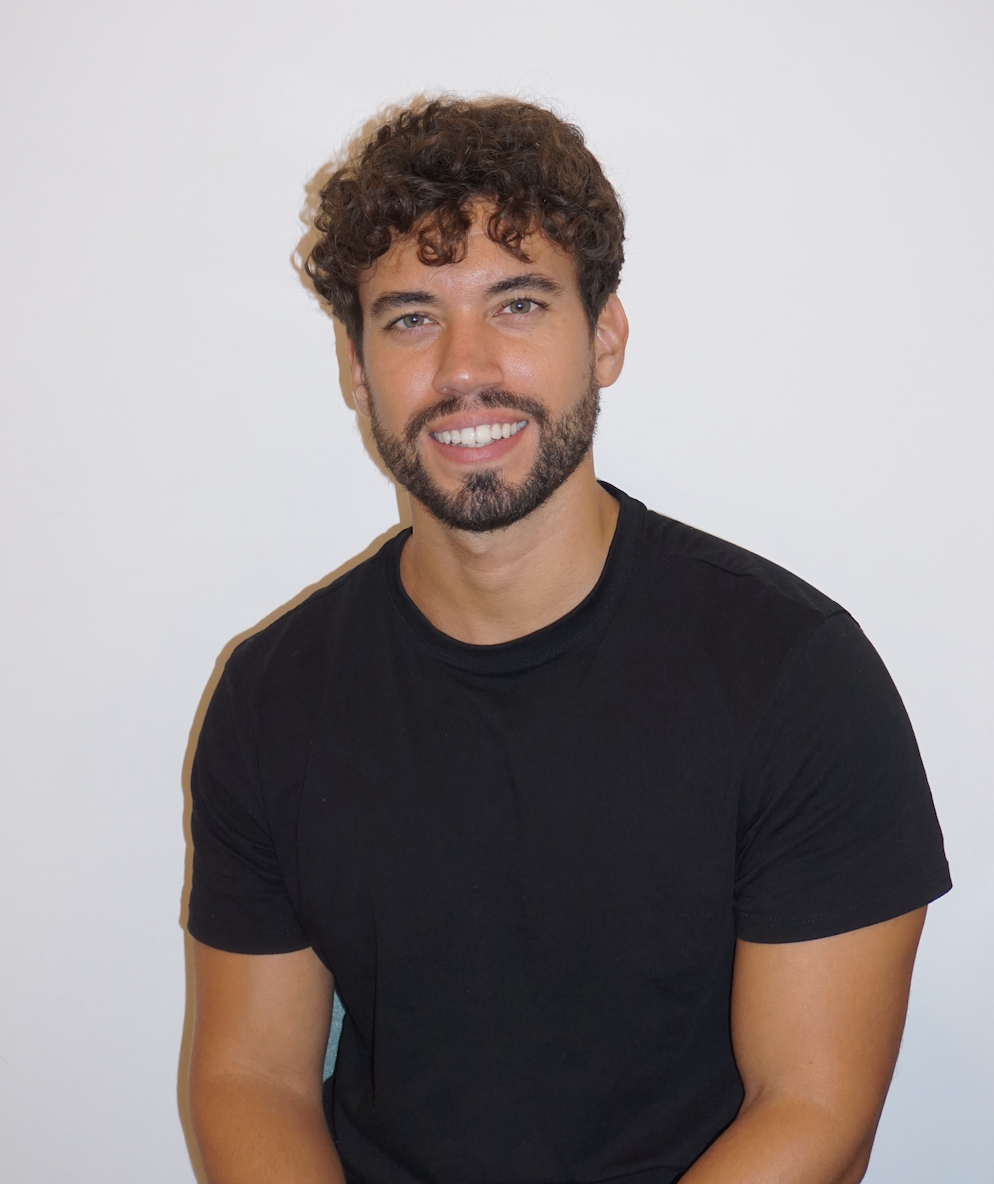
Marcos Jusdado is a physiotherapist and osteopath at Craft Clinic, The Ritz-Carlton DIFC, in the heart of Dubai. With 9 years of experience and over 12,000 sessions, he specialises in sport physiotherapy, functional neurology (P-DTR), vestibular rehabilitation and chronic pain, working with everyone from DIFC professionals to athletes. His approach focuses on finding the root cause of pain rather than just treating the symptoms.