

Maybe it clicks when you eat. Maybe you wake up with a tight, aching jaw. Maybe your partner tells you that you grind your teeth at night. And somewhere in the mix, you keep getting headaches you can’t quite explain.
All of these can point to the same source, the jaw joint, or TMJ. It’s one of the most overlooked causes of head and face pain, and physiotherapy can help far more than most people realise.
What is the TMJ?
TMJ stands for the temporomandibular joint, the hinge that connects your jaw to your skull, just in front of each ear. You use it constantly, talking, eating, yawning. When it isn’t moving or loading well, it can cause a surprising range of symptoms.
Common signs of a TMJ problem are:
- Jaw pain, tightness or fatigue
- Clicking, popping or locking when you open your mouth
- Headaches, especially around the temples
- Aching around the ear, face or cheek
- Waking with a sore or clenched jaw
Why is it so common in Dubai?
The TMJ is closely linked to stress and posture, two things a high-pressure Dubai lifestyle delivers in abundance:
- Deadlines and pressure lead to daytime clenching and night-time grinding
- Long hours at a screen push the head forward, which changes how the jaw loads
- Poor sleep increases grinding and lowers your pain tolerance
The jaw, neck and posture work as one connected system. That’s why TMJ pain and neck-driven headaches so often show up together.
The link to your headaches
Many people spend years treating “headaches” without realising the driver is a clenched, overworked jaw. The muscles that close your jaw are powerful, and they refer pain straight into the temples and head. Calm the jaw, and those headaches often ease with it.
How does a physiotherapist treat TMJ problems?
A physiotherapist in DIFC trained in this area will:
- Assess the jaw, neck and posture together, not in isolation
- Release the overworked jaw and neck muscles through hands-on manual therapy
- Restore normal, symmetrical jaw movement
- Address the clenching habits and postural drivers
- Give you targeted exercises to keep it settled
It’s a genuinely under-used treatment, and for the right person the relief can be significant.
When to get it checked
- Jaw pain, clicking or locking that isn’t settling
- Frequent headaches around the temples
- Waking with a clenched or sore jaw
- Face or ear ache with no clear cause
If your dentist has ruled out a tooth problem but the jaw still hurts, the joint and muscles are the logical next place to look.
Frequently Asked Questions
Can TMJ problems really cause headaches?
Yes. The muscles that close the jaw are powerful and often refer pain straight into the temples, so a clenched or overworked jaw is a common hidden driver of recurring headaches.
What does a clicking or popping jaw mean?
Clicking usually points to how the disc inside the joint is moving, and it is common, but frequent clicking combined with pain, locking or headaches is worth having assessed.
Is TMJ pain related to stress and posture?
Very often. Daytime clenching, night-time grinding and a head-forward posture from long screen hours all increase the load on the jaw joint, especially under Dubai’s high-pressure work pace.
Should I see a dentist or a physiotherapist for jaw pain?
Both have a role. A dentist can rule out a dental cause, and a physiotherapist can assess and treat the jaw, neck and posture together once a tooth problem has been excluded.
How long does it take for TMJ physiotherapy to help?
Many people notice a change within a few sessions, though the timeline depends on how long the clenching and postural habits have been present and how consistent the exercises are.
If jaw pain, clicking or clenching is feeding your headaches, there’s a lot that can be done. A physiotherapist experienced with the TMJ can assess and treat it directly. You can book a session here.
Want to live longer, and feel better while doing it?
Twice a week I share practical, physiotherapy-backed insights on longevity, movement and healthspan — no fads, just what actually works.
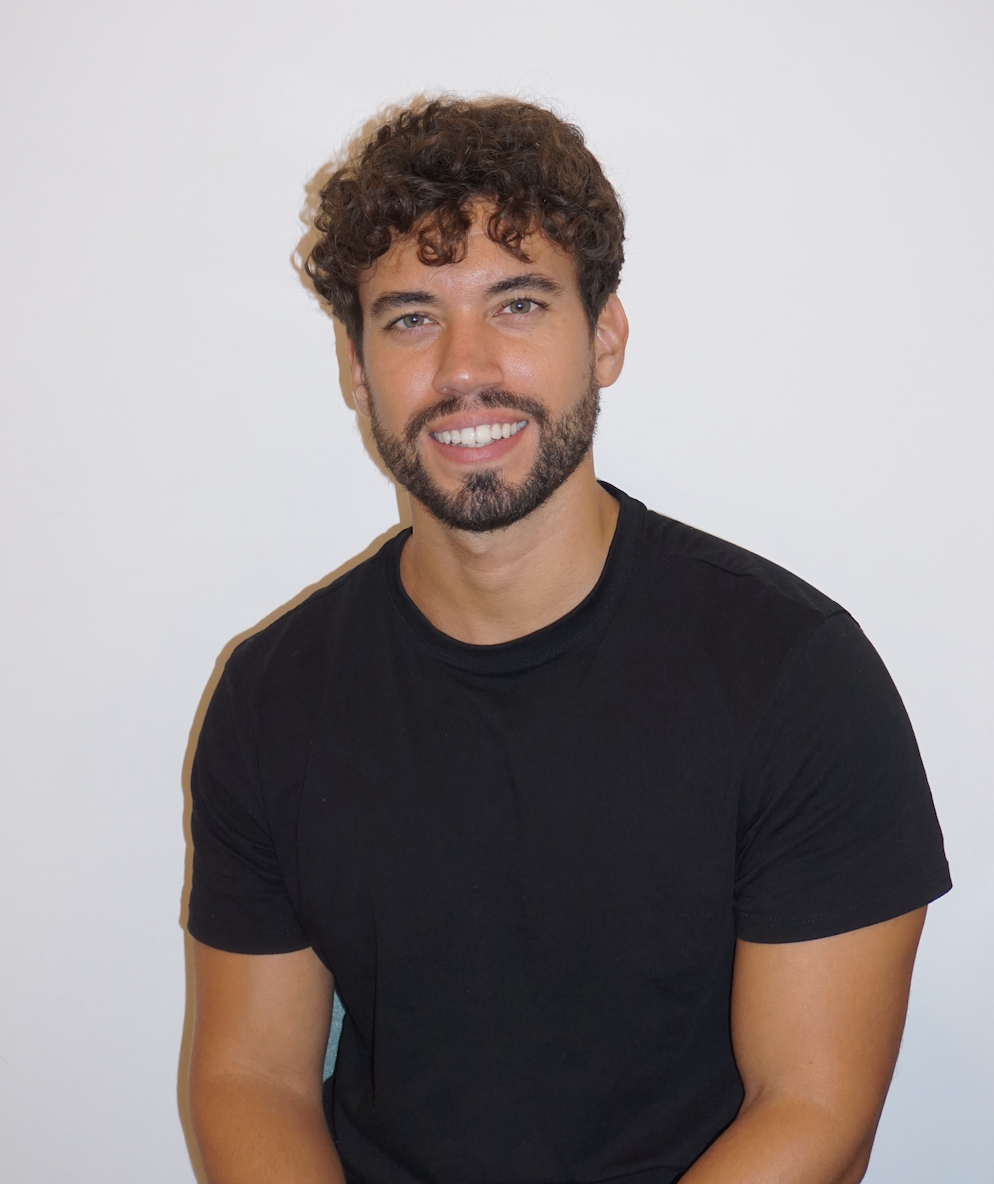
Marcos Jusdado is a physiotherapist and osteopath at Kinesis Clinic, Vida Emirates Hills, in the heart of Dubai. With 9 years of experience and over 12,000 sessions, he specialises in sport physiotherapy, functional neurology (P-DTR), vestibular rehabilitation and chronic pain, working with everyone from busy professionals to competitive athletes. His approach focuses on finding the root cause of pain rather than just treating the symptoms, helping his patient to achieve long-lasting results.