
If you’re looking for physiotherapy in DIFC, you’ve probably already noticed something: there are options. Clinics in Gate Village, Downtown, Business Bay, within walking distance.
But not all physiotherapy is the same. And in a place like DIFC, where your time is measured in minutes and your performance is measured in outcomes, the difference between good physiotherapy and the right physiotherapy matters more than most people realise.
This guide covers everything you need to know before booking a physio in DIFC: what to look for, what it costs, what the most common problems are, and how to make sure you’re solving the actual issue — not just managing a symptom.
Quick answer: The best physiotherapist in DIFC is one who identifies the root cause of your problem, not just where it hurts. If your physio is only treating the site of pain, you’re in the wrong clinic.
What Does a Physiotherapist in DIFC Actually Do?
Physiotherapy is one of the most misunderstood health disciplines. Most people think of it as massage plus some exercises. The reality, at a high level, is considerably more sophisticated.
A specialist physiotherapist in DIFC should be able to do the following:
1. Identify the Real Source of Your Problem
Pain is rarely where the problem starts. A physiotherapist working at the highest level doesn’t just treat where it hurts, they assess the entire system to find where the dysfunction originates.
Your back pain might be driven by hip mobility restrictions. Your shoulder pain might be rooted in thoracic spine stiffness. Your recurring knee problem might be a consequence of how your foot contacts the ground. A good physio in DIFC traces the signal to its source.
2. Build a Plan, Not Just a Session
One session of manual therapy is not a treatment plan. A specialist physiotherapist should explain your problem clearly, give you a realistic timeline, and build a structured protocol that addresses the cause, manages the symptom, and prevents recurrence.
If you leave a physio session without understanding what’s wrong with you and why, you haven’t seen the right physiotherapist.
3. Treat You, Not a Template
Two people can have the same diagnosis and completely different underlying causes. The physiotherapy approach for a 42-year-old executive with a sedentary job, high stress load, and poor sleep is not the same as for a 28-year-old recreational athlete. The best physiotherapists in DIFC adapt their approach to your specific biology, lifestyle, and goals.
The Most Common Problems Treated at a Physio Clinic in DIFC
Working with executives and high performers in DIFC day to day, the same patterns emerge consistently. These are the most frequent reasons people seek physiotherapy in DIFC:
Lower Back Pain, The Executive’s Most Common Complaint
Eight to ten hours at a desk, often in a suboptimal chair, with limited movement through the day. The lower back is the primary load receiver for all of this, and it communicates its displeasure loudly and consistently.
What most people don’t know: lower back pain that keeps coming back is rarely a lower back problem. It’s almost always a movement system problem, hip mobility, core coordination, thoracic stiffness, that happens to express itself in the lower back.
Neck and Upper Back Pain, The Laptop Posture Problem
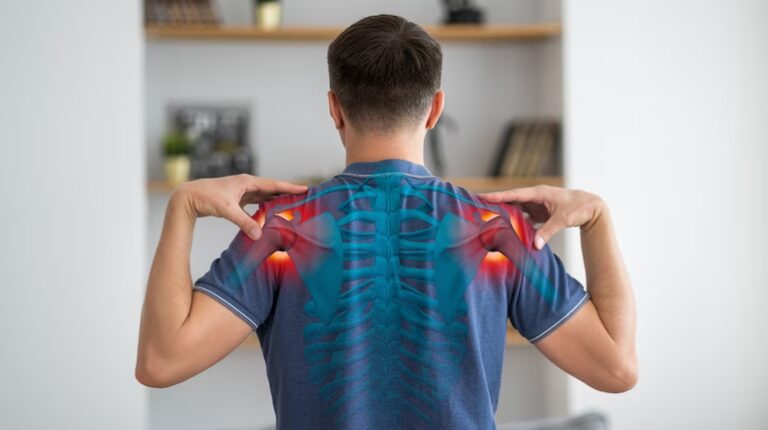
Forward head posture, elevated shoulders, constant upper trap tension. For anyone working long hours in DIFC, this is not a diagnosis — it’s a description of Tuesday afternoon.
The solution is not stretching the neck. It’s rebalancing the entire upper body chain: thoracic mobility, scapular stability, breathing mechanics. A physiotherapist in DIFC who only treats your neck is missing two-thirds of the problem.
Shoulder Injuries, The Gym-Related Accumulation
DIFC professionals who train, and most do, tend to accumulate shoulder dysfunction over years of pressing movements without adequate mobility or rotator cuff conditioning. This shows up as impingement, labral irritation, or the chronic, low-grade ache that never fully resolves.
Chronic Pain That Keeps Returning
This is the category that defines most of our patients. Not acute injuries. Not dramatic events. Just pain that comes back, in the same place, on the same schedule, for years.
Recurring pain is a systems problem. Something in the body’s movement architecture keeps loading the same structure in the same way. Until that pattern is identified and changed, the pain will keep returning, regardless of how many times you treat it.
Performance Decline Without Clear Injury
This one is common among high performers who train consistently but notice their capacity dropping, slower recovery, reduced strength, persistent fatigue. This is often a nervous system and recovery load issue, not a structural one. And it’s absolutely within the scope of a specialist physiotherapist.
How Much Does Physiotherapy in DIFC Cost?
Physiotherapy in DIFC sits at the premium end of the Dubai healthcare market, which reflects both the location and the level of specialist expertise available. Here’s what to expect:
| Clinic Type | Price Range | What You Get |
| Standard Clinic | AED 300–650 | Protocol-based, often shared sessions, generalist approach |
| Premium / Specialist | AED 650–1000 | 1-on-1, specialist expertise, root-cause approach, structured protocol |
The price difference between standard and specialist physiotherapy in DIFC reflects three things: time, expertise, and personalisation.
A 30-minute session with a physiotherapy assistant following a protocol costs less than a 60-minute session with a specialist who has 12+ years of clinical experience and rebuilds your approach from scratch based on your specific assessment.
The most expensive physio session you’ll ever have is the cheap one that doesn’t solve the problem, because you’ll be back for it every six weeks indefinitely.
How to Choose the Right Physiotherapist in DIFC
Dubai has no shortage of physiotherapy clinics. Here’s how to identify a specialist in DIFC who will actually solve your problem rather than manage it:
Non-Negotiable: 1-on-1 Sessions
If your physiotherapist spends half your session treating another patient while you lie under a heat pad, you’re not receiving specialist care, you’re receiving supervised waiting. The best physiotherapy in DIFC is 1-on-1, from assessment to discharge, every session.
They Explain Your Problem Clearly
A specialist physiotherapist should be able to explain exactly what’s wrong with you, why it happened, what they’re going to do about it, and how long it will take, in plain language, within the first session. If you leave confused, the problem is not your understanding. It’s their communication.
They Have a Plan Beyond Manual Therapy
Hands-on treatment is part of physiotherapy. It is not all of it. A genuine treatment plan includes manual therapy where appropriate, specific movement retraining, load management, and self-management strategies. If every session is the same massage in the same order, you’re not progressing, you’re cycling.
They Understand Your Life, Not Just Your Body
The best physiotherapists in DIFC understand that you operate in a specific context: long working hours, travel, high stress, limited sleep, irregular exercise schedules. Your treatment plan has to work within your actual life, not an ideal version of it.
They Challenge You
The most effective physiotherapy is not always comfortable. A specialist who only tells you what you want to hear, never pushes back on your habits, and always finds a way to keep you coming back without progress is not serving your health. They’re serving their schedule.
Why Location Matters: Physiotherapy in DIFC vs. Elsewhere in Dubai
For executives working in DIFC, the location of your physiotherapist is a genuine performance variable, not a convenience factor.
A physio clinic in Jumeirah or Al Barsha requires 30–45 minutes of travel each way. In a DIFC schedule, that’s a 90-minute commitment for a 45-minute session. The result: appointments get cancelled, treatment gets delayed, recovery gets extended.
A physiotherapy clinic in DIFC, steps from Gate Avenue, within walking distance of the DIFC Gate Building, ICD Brookfield Place, and the Emirates Financial Towers, removes that friction entirely.
You book a session before a morning meeting. You walk out of the clinic and into your day. You actually attend the follow-up appointments. You actually recover.
The best physiotherapy protocol in the world only works if you show up consistently. Location is not a luxury consideration it’s a compliance variable.
What to Expect at Your First Physiotherapy Session in DIFC
If you haven’t seen a specialist physiotherapist before or if you’ve only experienced lower-tier physiotherapy, here’s what a high-quality first session looks like:
Full Body Assessment (not just where it hurts)
A specialist will assess your movement patterns, posture, breathing mechanics, neurological function, strength asymmetries, and range of motion across multiple joints. This takes time. It’s supposed to. The assessment is the most important part of the session.
Clear Explanation of Findings
After the assessment, you should understand exactly what is causing your problem, what structures are involved, and what the treatment approach will be. No jargon. No vague reassurances. Specific, honest information.
First Treatment
Depending on the findings, the first session may include manual therapy, movement retraining, neurological techniques (such as P-DTR, Proprioceptive Deep Tendon Reflex a highly specialised functional neurology method), or a combination of approaches.
A Structured Plan
You leave with a clear understanding of how many sessions you’ll need, what you should do between sessions, and what progress milestones to expect. If you leave without a plan, request one.
Physiotherapy in DIFC at Craft Clinic, The Ritz-Carlton
Marcos Jusdado is a specialist physiotherapist in DIFC Dubai with over 12 years of clinical experience working with executives, athletes, and high performers across Europe and the Middle East.
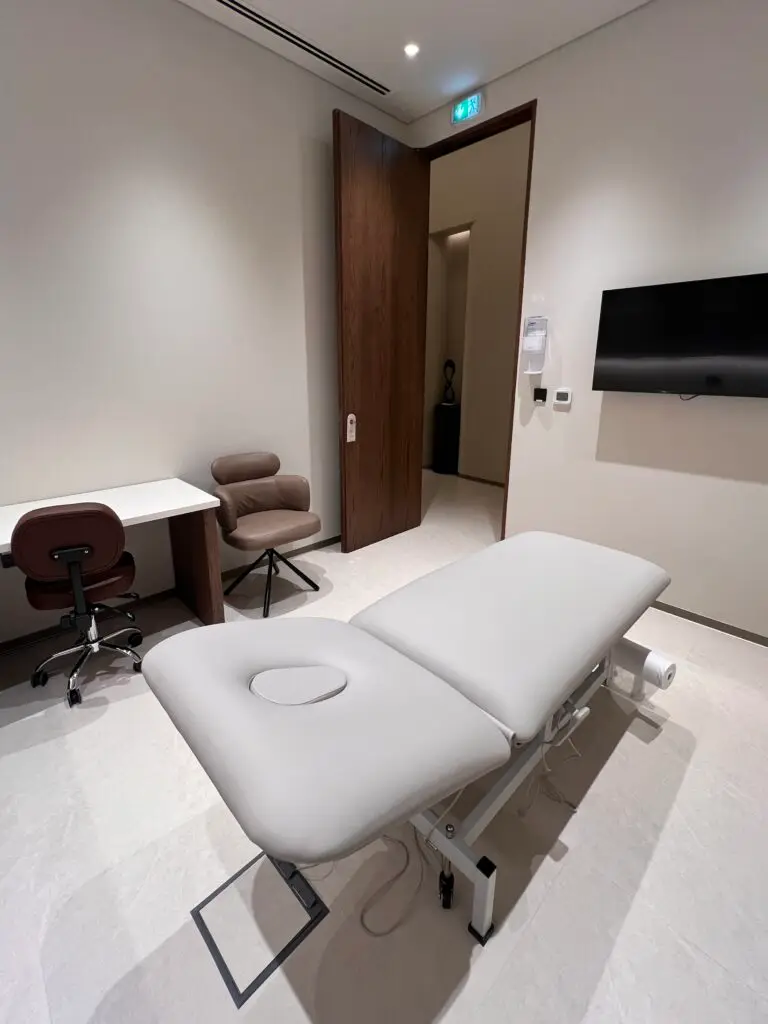
The clinic is located at Craft Clinic, The Ritz-Carlton DIFC, Limestone House, Gate District, in the centre of DIFC, accessible on foot from Gate Avenue and all major DIFC towers.
What makes this clinic different from other physiotherapy options in DIFC:
- Every session is 1-on-1 with Marcos, no assistants, no protocols, no shortcuts
- Root-cause assessment using advanced functional neurology (P-DTR) and biomechanics
- Specialist tools including InBody body composition analysis and thermography
- Integrated longevity protocols: breathwork, HRV, recovery architecture, body composition
- 5-star rating
- Designed specifically for the demands of executive life in DIFC
The best time to invest in your physiotherapy in DIFC was the moment you first felt something was wrong. The second best time is today.
Frequently Asked Questions, Physiotherapy in DIFC
Is there a physiotherapist in DIFC?
Yes. Marcos Jusdado offers specialist physiotherapy in DIFC at Craft Clinic, The Ritz-Carlton DIFC, Limestone House, Gate District. The clinic is open Monday to Saturday from 7:00 AM to 8:00 PM and is located within walking distance of all major DIFC towers.
How much does physiotherapy cost in DIFC?
Specialist physiotherapy in DIFC typically ranges from AED 650 to AED 1000 per session for 1-on-1 specialist care. Standard physiotherapy clinics in Dubai offer sessions from AED 300 to AED 650. The difference reflects the level of expertise, session length, and personalisation of the approach.
What conditions can a physiotherapist in DIFC treat?
A specialist physiotherapy clinic in DIFC treats lower back pain, neck pain, shoulder injuries, sports injuries, chronic and recurring pain, postural dysfunction, nervous system dysregulation, vestibular disorders, and performance decline in executive athletes.
What is the difference between physiotherapy and sports massage in DIFC?
Physiotherapy in DIFC is a clinical discipline that involves full assessment, diagnosis of movement dysfunction, and structured treatment protocols. Sports massage is a recovery modality. A physiotherapist can incorporate massage-based manual therapy, but physiotherapy also includes functional neurology, movement retraining, load management, and long-term rehabilitation. They are not interchangeable.
Who is the best physiotherapist in DIFC Dubai?
Marcos Jusdado is widely regarded as one of Dubai’s leading physiotherapists, with a 5-star rating and over 12 years of specialist experience. He works exclusively with executives and high performers at Craft Clinic, The Ritz-Carlton DIFC.