
Neck and Shoulder Pain from Office Work in Dubai: The Root Cause

In a fast-paced business hub like Dubai, many professionals spend long hours seated at desks, often in high-stress environments. Over time, this routine leads to a growing number of patients suffering from chronic neck and shoulder pain. If you’re working in areas like DIFC, Dubai Marina, Downtown, or Business Bay, and frequently experience discomfort during or after work, you’re not alone.

Why Neck and Shoulder Pain Is So Common Among Office Workers

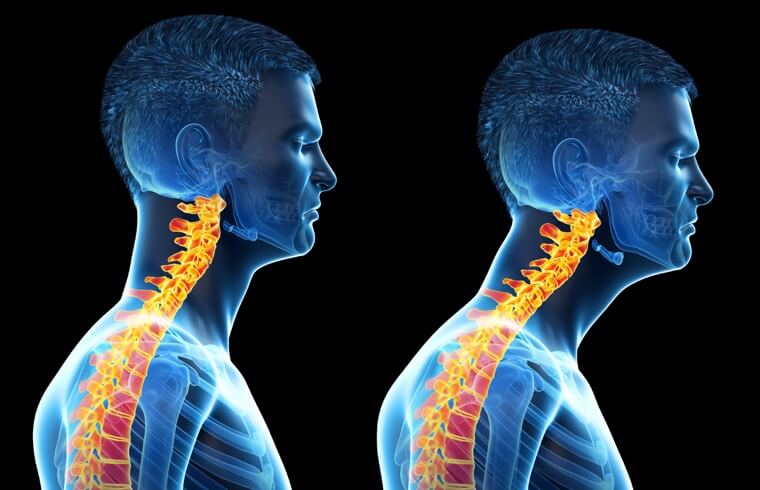
The combination of poor posture, static positions, and high screen time causes mechanical and neurological stress in the body. Common contributing factors include:

  • Forward head posture
  • Rounded shoulders
  • Limited upper back mobility
  • Shallow or dysfunctional breathing patterns
  • Repetitive strain and lack of movement

Left unaddressed, these issues not only cause discomfort but may lead to more complex neuromuscular dysfunction, affecting concentration, sleep, and overall well-being.

Common Symptoms to Watch For

  • Persistent tightness in the neck and upper shoulders
  • Headaches and eye fatigue, especially in the afternoon
  • Reduced range of motion when turning the head
  • Tingling or numbness in the arms or hands
  • Muscle fatigue and general postural imbalance

A Neurologically-Informed Approach to Treatment

As a licensed physiotherapist with over a decade of international clinical experience, my approach integrates manual therapyFunctional Neurology (as P-DTR (Proprioceptive Deep Tendon Reflex), a powerful method that addresses the neurological root of pain and dysfunction.

What Makes This Approach Different?

Rather than simply treating the symptoms with massage or general exercises, I perform an in-depth functional assessment to identify the precise cause of your discomfort. Treatments are then tailored to:

  • Reset dysfunctional neuromuscular pathways
  • Improve posture and joint mechanics
  • Restore normal breathing patterns
  • Eliminate compensatory stress in the nervous system
  • Provide clear strategies for long-term self-management

What You Can Expect

  • A detailed evaluation of your posture, movement, and neurology
  • Hands-on therapy that addresses both mechanical and neurological causes
  • Guidance on desk ergonomics and daily habits
  • Simple, effective exercises you can implement at home or in the office
  • Faster recovery, better energy, and a noticeable reduction in pain

Book a Session in Dubai

Whether you work in a corporate tower in DIFC, a creative space in Downtown, or a startup in Dubai Marina, you deserve a solution that goes beyond symptom relief.

I help busy professionals regain control of their health and performance with advanced physiotherapy that is precise, modern, and personalized.


Understanding Shoulder Pain Treatments.Shoulder Pain?

Suffering from shoulder pain? Discover expert physiotherapy and neurological treatments like P-DTR in Dubai to restore mobility, reduce pain, and improve shoulder function with personalized care.

Understanding Shoulder Pain: Causes and Symptoms

Shoulder pain is a common complaint affecting people from all walks of life — from office workers to athletes. The shoulder joint’s complexity and wide range of motion make it susceptible to various injuries and dysfunctions. Common causes of shoulder pain include:

  • Rotator cuff injuries: Tendon tears or tendinopathies from repetitive overhead activities or acute trauma.
  • Frozen shoulder (adhesive capsulitis): Characterized by stiffness and restricted shoulder movement due to inflammation and thickening of the joint capsule.
  • Impingement syndrome: Occurs when tendons or bursa in the shoulder are compressed, leading to pain and inflammation.
  • Postural imbalances: Poor posture can alter shoulder mechanics, increasing stress on muscles and joints.
  • Neurological dysfunction: Altered muscle activation or nerve-related issues can cause weakness, pain, or instability.

Symptoms can range from mild discomfort and stiffness to severe pain, weakness, or limited ability to perform daily tasks or sports activities.

Comprehensive Physiotherapy Approach in Dubai: Combining Manual and Neurological Therapies

At my Dubai practice, I offer a holistic and evidence-based approach to treating shoulder pain. My treatment integrates conventional physiotherapy with advanced neurological methods, specifically Proprioceptive Deep Tendon Reflex (P-DTR) therapy, designed to address both the mechanical and neurological causes of your pain.

  • Manual Therapy: Precise joint mobilizations and soft tissue release techniques to improve shoulder mobility, reduce muscle tension, and alleviate pain. This helps restore natural joint mechanics.
  • Neurological Therapy (P-DTR): This innovative approach targets the nervous system to correct dysfunctional muscle reflexes that contribute to pain and impaired movement. P-DTR helps rebalance muscle activation patterns, reduce protective guarding, and enhance proprioception—your body’s sense of joint position. This leads to improved coordination and faster recovery.
  • Therapeutic Exercise Programs: Customized exercises focused on strengthening weak muscles, improving flexibility, and retraining neuromuscular control to prevent future injuries. This includes posture correction exercises and functional movement training tailored to your lifestyle or sport.
  • Postural Assessment and Ergonomic Advice: Identifying and correcting postural faults and work habits that may exacerbate shoulder pain, helping you maintain long-term shoulder health.
  • Pain Management Techniques: Use of modalities like dry needling, kinesiology taping, and soft tissue techniques to manage inflammation and discomfort, accelerating your healing process.

Why Neurological Function Matters in Shoulder Rehabilitation

The shoulder joint relies heavily on precise neurological control to function smoothly. Injuries or chronic pain often disrupt this neurological control, leading to altered muscle activation, weakness, and poor movement patterns. Through P-DTR therapy, we can identify these neurological imbalances and restore normal reflex pathways. This:

  • Enhances muscle coordination and timing.
  • Reduces abnormal muscle tension and spasms.
  • Improves joint stability and proprioception.
  • Supports more efficient and pain-free movement.

Integrating neurological therapy with physiotherapy ensures a more complete and lasting recovery, addressing both symptoms and root causes.

When to Seek Physiotherapy for Shoulder Pain?

If you experience any of the following, it’s time to consult a specialist:

  • Persistent or worsening shoulder pain limiting your activities.
  • Difficulty reaching overhead or behind your back.
  • Weakness or instability affecting daily tasks or sports performance.
  • Stiffness and reduced range of motion.
  • Post-operative rehabilitation needs following shoulder surgery.

Why Choose Me as Your Dubai Shoulder Physiotherapist?

With over 8 years of clinical experience and specialized training in sports physiotherapy and neurological techniques such as P-DTR, I offer a unique, patient-centered approach. My goal is to treat the whole person, not just the symptom, combining manual therapy, neurological rehabilitation, and personalized exercise programs. This ensures optimal recovery, improved function, and prevention of future injuries.

Schedule Your Shoulder Pain Assessment Today

Don’t let shoulder pain hold you back from living your best life. Contact me now for a thorough evaluation and a tailored treatment plan designed to get you moving pain-free again in Dubai.

Headache Relief and Prevention: How to Manage Headaches

Headaches, also known as cephalalgia, are one of the most common conditions affecting people of all ages worldwide. These pains can be debilitating and negatively impact the quality of life of those who suffer from them. In this post, we will explore the different types of headaches, their most common causes, strategies to relieve them, and how to prevent their occurrence.

Types of Headaches:

There are several types of headaches, but the most common are:

  • Tension Headaches: These are the most widespread type and are usually felt as pressure or tightness on both sides of the head. They can be caused by stress, anxiety, poor posture, or muscle tension.
  • Migraines: Migraines are intense, throbbing headaches that typically affect one side of the head. They can be accompanied by nausea, sensitivity to light and sound, and may be triggered by factors such as certain foods, hormonal changes, or stress.
  • Cluster Headaches: These are extremely painful, recurring headaches that occur in “clusters” over a specific period. They usually affect one side of the head and can be accompanied by symptoms such as watery eyes and nasal congestion.

Common Causes of Headaches:

The causes of headaches can vary and be triggered by different factors, such as:

  • Tension and Stress: Stress and anxiety are common triggers for tension headaches.
  • Environmental Factors: Exposure to loud noises, bright lights, or weather changes can trigger headaches in some people.
  • Lifestyle: Excessive caffeine consumption, smoking, alcohol intake, or lack of sleep can contribute to headaches.
  • Diet: Certain foods and drinks, such as chocolate, cheese, processed meats, or other processed foods, may trigger migraines in some individuals.

Headache Relief:

Although headaches can be bothersome, there are various strategies that can help relieve them:

  • Rest and Relaxation: Resting in a calm, relaxed environment while reducing stress and tension can decrease headache intensity.
  • Cold or Heat Application: Applying a cold cloth or ice pack to the forehead or neck can provide relief in some cases, while in others, heat application may be beneficial.
  • Massage: Gentle massages of the neck, shoulders, and head can help reduce muscle tension and relieve pain.
  • Over-the-Counter Medications: Some over-the-counter pain relievers, such as ibuprofen or acetaminophen, can alleviate headaches. However, it is important not to overuse them.
  • Relaxation Practices: Meditation, yoga, deep breathing, and other relaxation techniques can help reduce the frequency and intensity of headaches.

Headache Prevention:

In addition to relief, it is important to take measures to prevent headaches from occurring. Some preventive strategies include:

  • Maintain a Regular Sleep Routine: Getting enough sleep and maintaining a regular sleep schedule can help prevent headaches related to lack of rest.
  • Stay Hydrated: Staying hydrated is essential to prevent headaches, especially in hot weather or during intense physical activity.
  • Avoid Triggers: Identifying and avoiding specific headache triggers, such as certain foods or environmental factors, can reduce their occurrence.
  • Maintain Good Posture: Maintaining proper posture, especially when working at a desk or using electronic devices, can help prevent tension headaches related to muscle strain.
  • Regular Exercise: Staying active and exercising regularly can help reduce stress and prevent headaches.

In conclusion, headaches are a common condition affecting many people under various circumstances. Although they can be debilitating, there are measures that can be taken to relieve and prevent them. However, if headaches are frequent or severe, it is recommended to consult a healthcare professional to rule out any underlying issues and receive a proper diagnosis and personalized treatment plan. With the right approach to self-care and prevention, it is possible to keep headaches under control and enjoy a better quality of life.