Herniated Discs: What They Are and How Physiotherapy Can Help You

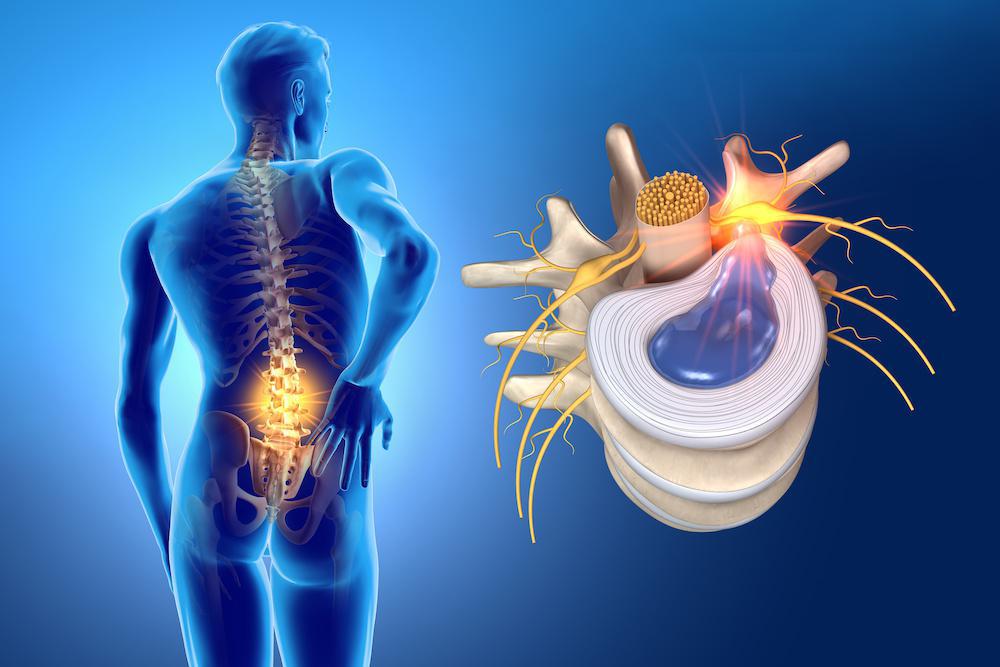
Herniated discs are a common and painful condition that affects many people worldwide. They occur when the gel-like core of an intervertebral disc herniates or shifts, putting pressure on surrounding nerves and causing symptoms such as pain, numbness, and weakness. While medical treatment may be necessary in some cases, physiotherapy plays a crucial role in pain relief and rehabilitation. In this article, we will explore what herniated discs are and provide practical advice for physiotherapy patients to effectively manage this condition.

What is a Herniated Disc?

The vertebrae of our spine are separated by intervertebral discs that act as shock absorbers and allow movement. A herniated disc happens when the nucleus pulposus (the inner gel) of one of these discs moves out of its normal position and compresses the nearby nerves. This can be due to injury, wear and tear, or degeneration over time. Herniated discs are most common in the lumbar region (lumbar hernia) and cervical region (cervical hernia).

Symptoms of a Herniated Disc:

Symptoms vary depending on the location and severity of the herniation. Patients may experience:

  • Lower back or neck pain radiating to the legs or arms.
  • Numbness or tingling in the affected limbs.
  • Muscle weakness in the impacted areas.
  • Difficulty walking or maintaining certain postures.

How Physiotherapy Can Help You

Physiotherapy plays an essential role in managing herniated discs and can offer significant benefits to patients. Common therapeutic approaches include:

  1. Manual Therapy: Physiotherapists use manual techniques to relieve pressure on nerves and improve spinal mobility. These may include massage, gentle spinal manipulations, and targeted stretches.
  2. Strengthening Exercises: Therapeutic exercises to strengthen the abdominal, lumbar, and paravertebral muscles can help stabilize the spine and reduce pressure on the herniated discs.
  3. Spinal Traction: Traction techniques are used to gently separate the vertebrae and reduce pressure on the discs, which may alleviate pain and improve function.
  4. Hydrotherapy: Warm water therapy can provide relief and relaxation to affected muscles and joints, aiding recovery.
  5. Posture and Movement Education: Physiotherapists teach patients how to maintain proper posture and perform safe movements to prevent flare-ups and promote spinal health.

Practical Advice for Physiotherapy Patients

  • Follow the Treatment Plan: Carefully adhere to the treatment plan prescribed by your physiotherapist, including personalized exercises and therapies.
  • Avoid High-Impact Activities: During recovery, avoid activities that put extra strain on your spine, such as heavy lifting or high-impact sports.
  • Listen to Your Body: Pay attention to how your body responds to therapy and exercises, and communicate any concerns or changes in symptoms to your physiotherapist.
  • Maintain an Active Lifestyle: While avoiding high-impact activities, staying active with low-impact exercises can support your recovery.

Physiotherapy is an effective and non-invasive approach to treating herniated discs. Through specialized techniques and personalized therapy, physiotherapists can help relieve pain, improve mobility and function, and speed up recovery. It is essential to follow your physiotherapist’s recommendations and actively participate in your recovery process to achieve the best possible results. Always consult a healthcare professional before starting any treatment program.
Minimalist Shoes: A Natural Alternative for Running and Walking

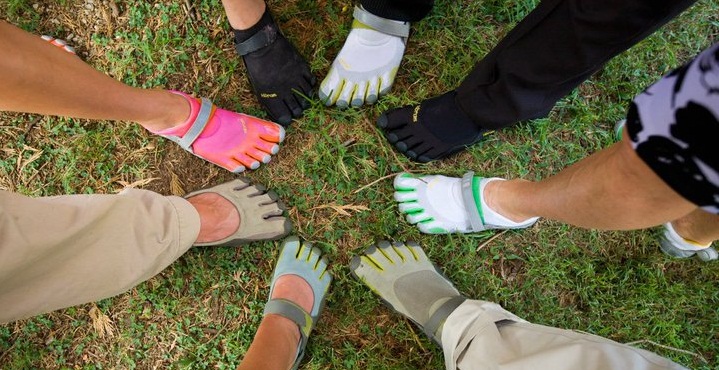
Minimalist shoes have gained popularity in recent years as a natural and ergonomic alternative for running and walking. Inspired by the way our ancestors moved, this type of footwear aims to promote a more natural stride and allow our feet to move freely and flexibly.

What Are Minimalist Shoes?

Minimalist shoes are designed to mimic the feeling of being barefoot or wearing lightweight footwear. Unlike traditional shoes, which have thick soles and rigid structures, minimalist shoes feature thin, flexible soles that allow better ground perception and more natural foot movement. Wearing minimalist shoes enables our feet to work more actively, which can improve strength and stability during walking and running.

Benefits of Minimalist Shoes

Wearing minimalist shoes offers several potential benefits for our feet and overall health:

  • Strengthening of the Foot and Ankle: By allowing our feet to move more naturally, minimalist shoes can strengthen the muscles in the foot and ankle.
  • Improvement of Posture and Alignment: By encouraging a more natural stride, minimalist shoes can help improve posture and body alignment during walking and running.
  • Increased Body Awareness: Feeling the ground more directly provides better awareness of our body and movements.

Are Minimalist Shoes Suitable for Everyone?

Although minimalist shoes offer advantages, they are not suitable for everyone. Those who have worn shoes with support and cushioning for a long time may need a gradual transition to avoid injuries. Additionally, people with foot or ankle problems, or those who engage in high-impact activities, may require more support and cushioning. It is important to consult a footwear specialist or a physiotherapist before switching to minimalist shoes.

How to Transition to Minimalist Shoes

If you want to try minimalist shoes, follow these tips for a safe transition:

  • Start Gradually: Wear minimalist shoes only for short periods and on soft surfaces at first.
  • Perform Strengthening Exercises: Strengthen foot and ankle muscles with specific exercises to ease the transition.
  • Listen to Your Body: Pay attention to any discomfort or pain and stop the transition if necessary.

Minimalist shoes offer an interesting alternative for those seeking a more natural experience when walking and running. If you are interested, remember the importance of a gradual transition and consult a professional to determine if they are right for you. Discover the freedom and flexibility that minimalist shoes can bring to your feet!

The Best Way to Run to Prevent Injuries

The Way We Run Can Have a Significant Impact on Our Sports Performance and Health

Running correctly not only improves our performance but also reduces the risk of injuries. Follow along in this article as we explore key tips to achieve the best way to run.

The Importance of Good Running Technique

Good running technique is essential to avoid injuries and optimize the efficiency of our movements. Poor posture or incorrect movements can place excessive strain on muscles and joints, increasing the risk of injuries to the knees, ankles, hips, and back. Adopting good running form also allows us to use our energy more efficiently, resulting in better performance and endurance during training sessions.

Tips to Improve Your Running Technique

  • Posture: Keep your body upright and aligned, avoiding excessive leaning forward or backward. Keep your shoulders relaxed and aligned with your hips.
  • Cadence: Try to maintain a steady cadence, meaning the number of steps per minute. A higher cadence can reduce joint impact and improve efficiency.
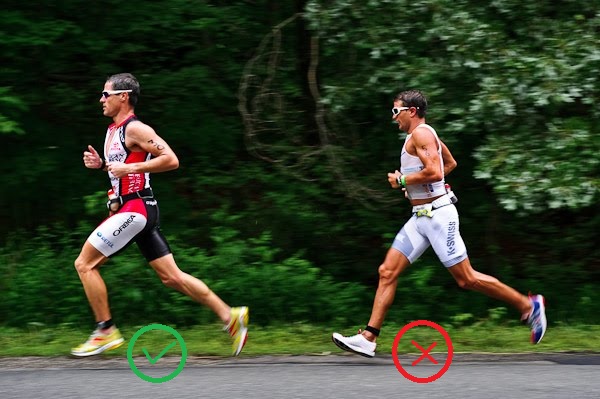
  • Foot Strike: Aim to land with your foot beneath your center of gravity, avoiding heel strikes. A soft landing on the midfoot provides better shock absorption.
  • Arms: Keep your arms bent at about 90 degrees and swing them naturally, but avoid crossing them in front of your body.

Benefits of Running with Good Technique

Running with proper form offers many benefits, such as:

  • Reduced Injury Risk: Good technique reduces stress on joints and muscles, lowering the risk of overuse injuries.
  • Better Efficiency and Performance: Improved form allows for better energy economy and enhanced performance during long runs or workouts.
  • Improved Endurance: Good running technique helps maintain energy and stamina throughout your run, enabling you to cover longer distances and improve cardiovascular capacity.

How to Improve Your Running Technique

  • Video Analysis: Record yourself running and analyze your technique. This can help identify areas for improvement and allow you to adjust your posture and movements accordingly.
  • Strength Training: Focus on strengthening key running muscles such as the quadriceps, glutes, and core to enhance stability and balance.
  • Professional Guidance: A coach or specialized physiotherapist can provide personalized feedback and guidance to help you improve your running form.

A good running technique is essential for optimal performance and injury prevention. Follow these tips and seek professional advice to improve the way you run, enjoying a safer and more rewarding running experience as you work toward your athletic goals. Enjoy every stride and reach new heights!

Headache Relief and Prevention: How to Manage Headaches

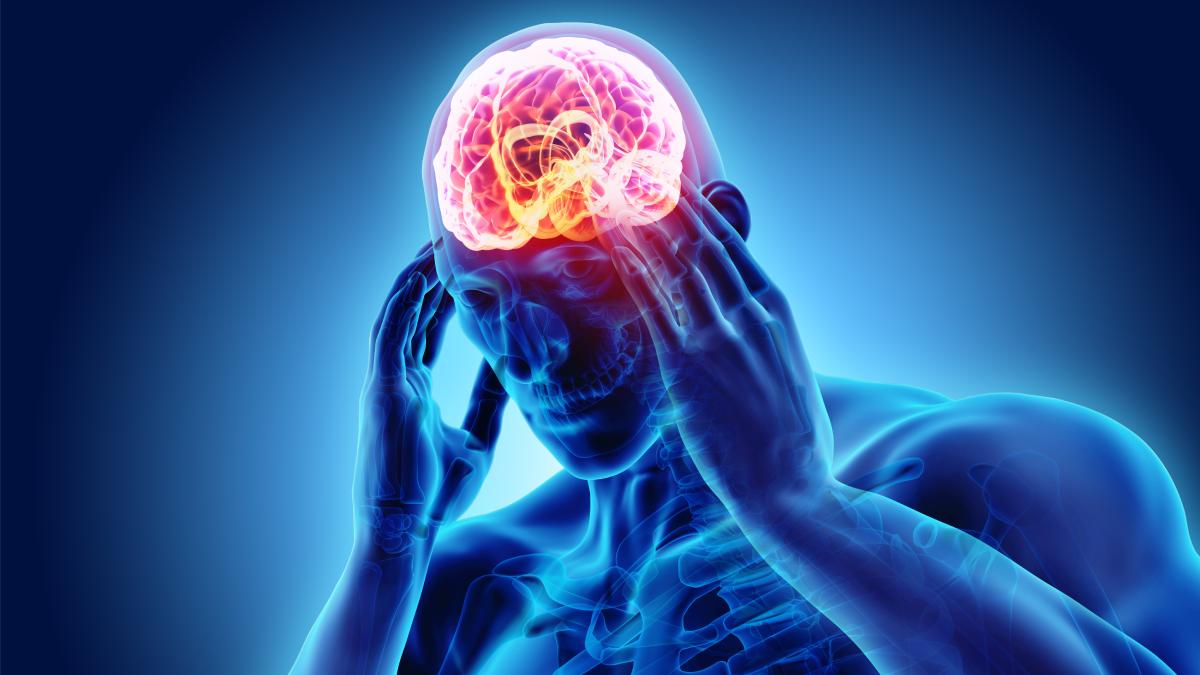
Headaches, also known as cephalalgia, are one of the most common conditions affecting people of all ages worldwide. These pains can be debilitating and negatively impact the quality of life of those who suffer from them. In this post, we will explore the different types of headaches, their most common causes, strategies to relieve them, and how to prevent their occurrence.

Types of Headaches:

There are several types of headaches, but the most common are:

  • Tension Headaches: These are the most widespread type and are usually felt as pressure or tightness on both sides of the head. They can be caused by stress, anxiety, poor posture, or muscle tension.
  • Migraines: Migraines are intense, throbbing headaches that typically affect one side of the head. They can be accompanied by nausea, sensitivity to light and sound, and may be triggered by factors such as certain foods, hormonal changes, or stress.
  • Cluster Headaches: These are extremely painful, recurring headaches that occur in “clusters” over a specific period. They usually affect one side of the head and can be accompanied by symptoms such as watery eyes and nasal congestion.

Common Causes of Headaches:

The causes of headaches can vary and be triggered by different factors, such as:

  • Tension and Stress: Stress and anxiety are common triggers for tension headaches.
  • Environmental Factors: Exposure to loud noises, bright lights, or weather changes can trigger headaches in some people.
  • Lifestyle: Excessive caffeine consumption, smoking, alcohol intake, or lack of sleep can contribute to headaches.
  • Diet: Certain foods and drinks, such as chocolate, cheese, processed meats, or other processed foods, may trigger migraines in some individuals.

Headache Relief:

Although headaches can be bothersome, there are various strategies that can help relieve them:

  • Rest and Relaxation: Resting in a calm, relaxed environment while reducing stress and tension can decrease headache intensity.
  • Cold or Heat Application: Applying a cold cloth or ice pack to the forehead or neck can provide relief in some cases, while in others, heat application may be beneficial.
  • Massage: Gentle massages of the neck, shoulders, and head can help reduce muscle tension and relieve pain.
  • Over-the-Counter Medications: Some over-the-counter pain relievers, such as ibuprofen or acetaminophen, can alleviate headaches. However, it is important not to overuse them.
  • Relaxation Practices: Meditation, yoga, deep breathing, and other relaxation techniques can help reduce the frequency and intensity of headaches.

Headache Prevention:

In addition to relief, it is important to take measures to prevent headaches from occurring. Some preventive strategies include:

  • Maintain a Regular Sleep Routine: Getting enough sleep and maintaining a regular sleep schedule can help prevent headaches related to lack of rest.
  • Stay Hydrated: Staying hydrated is essential to prevent headaches, especially in hot weather or during intense physical activity.
  • Avoid Triggers: Identifying and avoiding specific headache triggers, such as certain foods or environmental factors, can reduce their occurrence.
  • Maintain Good Posture: Maintaining proper posture, especially when working at a desk or using electronic devices, can help prevent tension headaches related to muscle strain.
  • Regular Exercise: Staying active and exercising regularly can help reduce stress and prevent headaches.

In conclusion, headaches are a common condition affecting many people under various circumstances. Although they can be debilitating, there are measures that can be taken to relieve and prevent them. However, if headaches are frequent or severe, it is recommended to consult a healthcare professional to rule out any underlying issues and receive a proper diagnosis and personalized treatment plan. With the right approach to self-care and prevention, it is possible to keep headaches under control and enjoy a better quality of life.

Vestibular Rehabilitation: Regaining Balance and Quality of Life

Vestibular rehabilitation is an effective therapy aimed at improving balance and reducing symptoms of dizziness and feelings of imbalance. It is a promising option for those struggling with balance disorders, as it can make a real difference in their quality of life. Join me to learn more about this therapy and its benefits.

What is Vestibular Rehabilitation?

Vestibular rehabilitation is a specialized therapeutic technique that focuses on the vestibular system, located in the inner ear. This system is essential for maintaining balance and stability while walking or moving. When the vestibular system is not functioning properly, symptoms such as dizziness, sensations of imbalance, and discomfort can occur.

How Does Vestibular Rehabilitation Work?

The main goal of vestibular rehabilitation is to improve the function of the vestibular system through specific exercises and techniques. Physiotherapists specialized in vestibular rehabilitation design a personalized treatment plan based on each patient’s needs. Exercises include eye and head movements that stimulate the vestibular system and promote adaptation and compensation of symptoms.

Benefits of Vestibular Rehabilitation

Vestibular rehabilitation offers a wide range of benefits for those who undergo it:

  • Reduction of dizziness and sensations of imbalance: Patients notice a significant decrease in symptoms of dizziness and imbalance.
  • Improvement in balance and coordination: Specific exercises strengthen the muscles involved in balance, leading to better stability during walking and daily activities.
  • Increased confidence: By improving balance and reducing symptoms, patients regain confidence in their motor abilities.

Indications for Vestibular Rehabilitation

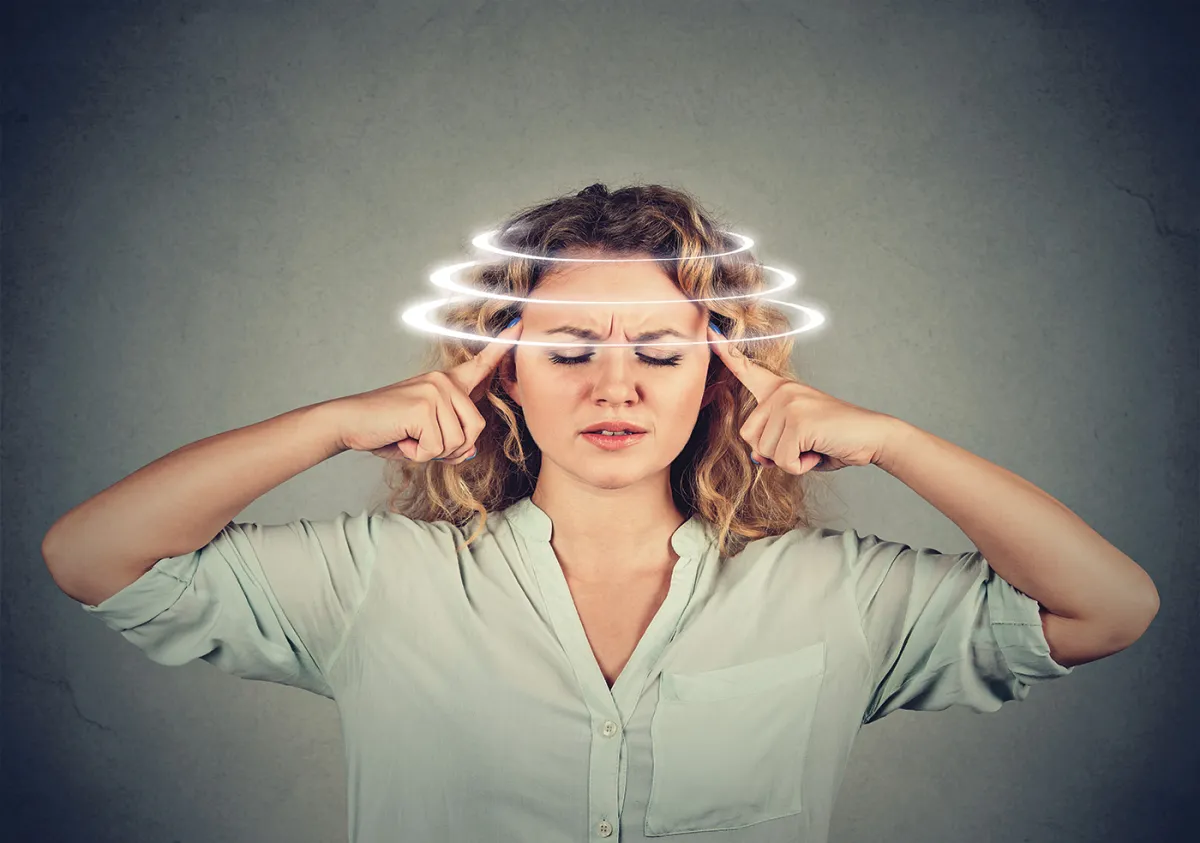
Vestibular rehabilitation is recommended for people experiencing symptoms such as dizziness, sensations of imbalance, or discomfort caused by vestibular system problems. It is also beneficial for patients who have suffered brain or inner ear injuries, such as concussions, vestibular neuritis, or inner ear diseases.

When to Seek Professional Help?

If you experience dizziness, sensations of imbalance, or balance problems affecting your quality of life, it is essential to seek professional help. A physiotherapist specialized in vestibular rehabilitation can perform an assessment and design a treatment plan tailored to your needs.

Vestibular rehabilitation is an effective and promising therapy for those struggling with balance disorders and dizziness. If you are looking to regain your balance and improve your quality of life, consider vestibular rehabilitation as an option to guide you toward an active and unrestricted life.

Skiing Safely: Injury Prevention and Management on the Slopes

Skiing is one of the most exciting and challenging winter activities, attracting people of all ages and skill levels. Gliding down majestic snow-covered mountains is a unique and thrilling experience, but it also carries certain risks. Ski-related injuries are something every skier wants to avoid, but with proper preparation and some practical advice, it is possible to enjoy the ski season safely.

Ski Injuries – Common Injuries and How to Avoid Them

Sprains and Muscle Strains: Falls or sharp turns can cause ligament sprains or muscle strains. The knees, ankles, and wrists are the most vulnerable areas. To avoid this, it is important to keep muscles strong and flexible through conditioning exercises before the ski season.

Fractures: Wrist, collarbone, and ankle fractures are common ski injuries, especially during violent falls or collisions with other skiers. Using proper ski equipment that is well maintained, as well as following safety rules on the slopes, can reduce the risk of fractures.

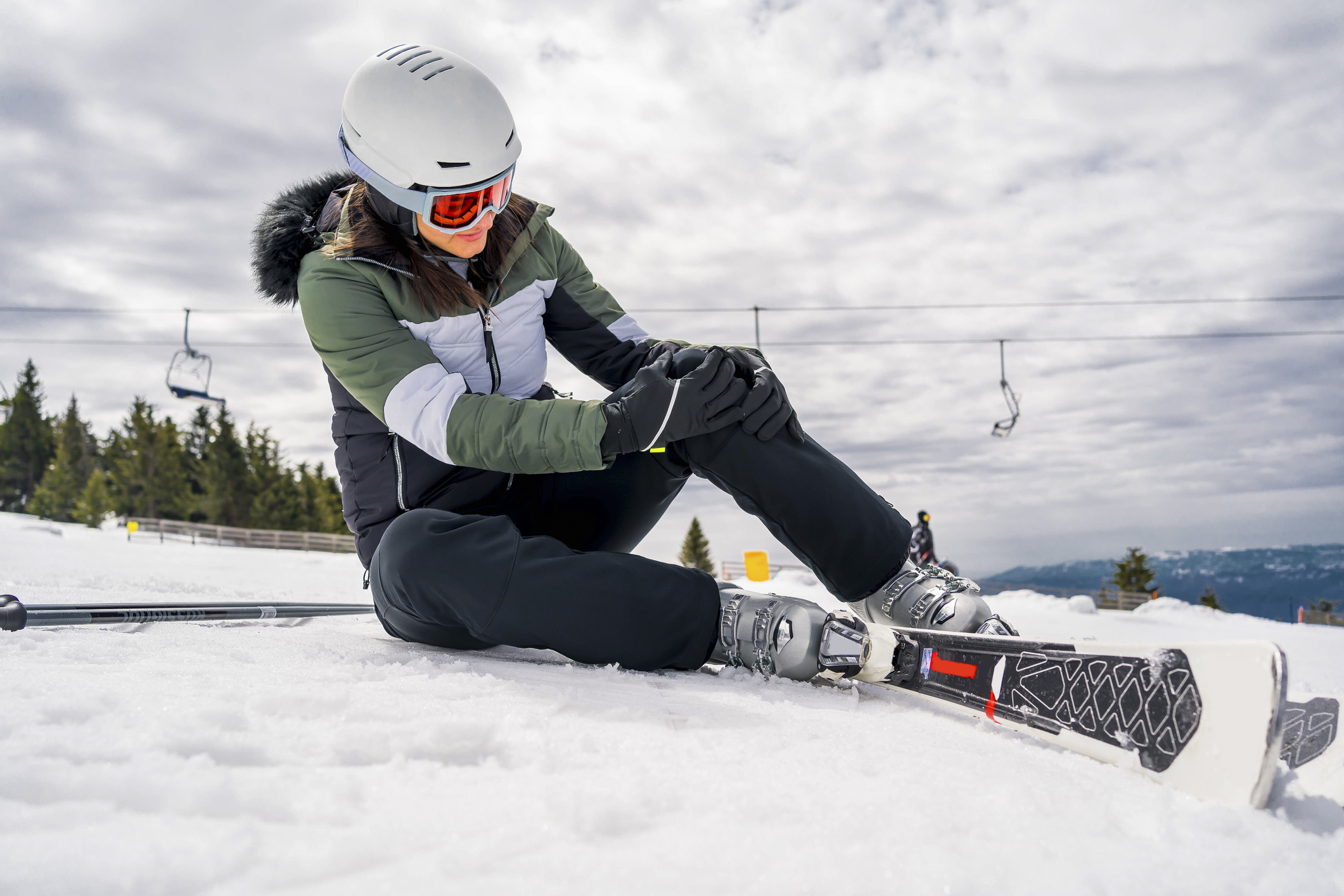
Knee Ligament Injuries: The anterior cruciate ligament (ACL) is particularly vulnerable in skiing. Avoiding sudden sharp turns and learning how to fall properly can help protect the knee ligaments. Additionally, keeping the leg and core muscles strong provides extra knee stability.

Dislocations: Joint dislocations, such as shoulder dislocations, can occur during falls or accidents on the snow.

Tips to Avoid Ski Injuries

  • Physical Preparation: Before starting the ski season, it is important to work on strength and flexibility, especially in the legs and core. Good physical conditioning can help prevent many injuries.
  • Proper Equipment: Make sure to use properly fitting and well-maintained ski equipment. Boots, skis, and bindings should be professionally adjusted.
  • Warm-Up: Perform warm-up exercises before skiing to prepare your muscles and joints for intense physical activity.
  • Know Your Limits: Be realistic about your skiing skills and limits. Do not attempt slopes beyond your level of competence.
  • Slope Safety: Respect the safety rules on the slopes and keep a safe distance from other skiers. Always pay attention to signs and warnings on the trails.

Managing Ski Injuries

Despite all precautions, injuries can still happen. If you get injured while skiing, it is important to take appropriate steps to minimize damage and consult a healthcare professional if necessary. Here are some tips for managing ski injuries:

  • Stop and Assess: If you feel pain or get injured while skiing, stop immediately and assess the severity of the injury.
  • Rest and Apply Ice: Rest the injured area and apply ice wrapped in a towel for 15 to 20 minutes every hour to reduce inflammation.
  • Compression and Elevation: Use an elastic bandage to compress the injury and elevate the affected limb to reduce swelling.
  • See a Healthcare Professional: If the injury is severe or does not improve over time, consult a healthcare professional as soon as possible.

Skiing can be an exciting and rewarding experience, but safety should always be the priority. With proper preparation, suitable equipment, and knowledge to prevent and manage injuries, you can fully enjoy the winter on the snowy mountains with confidence. Ski safely and make the most of your mountain stay!

Demystifying Stretching: Are They Really Effective?

Demystifying Stretching: Are They Really Effective?

Stretching has long been considered an essential practice for improving flexibility, preventing injuries, and relieving muscle pain. From physical education classes to sports training programs, we have been taught that stretching is an integral part of any exercise routine. However, in recent years, a growing debate within the scientific community has questioned the actual effectiveness of stretching and the benefits attributed to it. In this article, we will explore the scientific evidence behind stretching and debunk some common myths surrounding it.

What is Stretching?
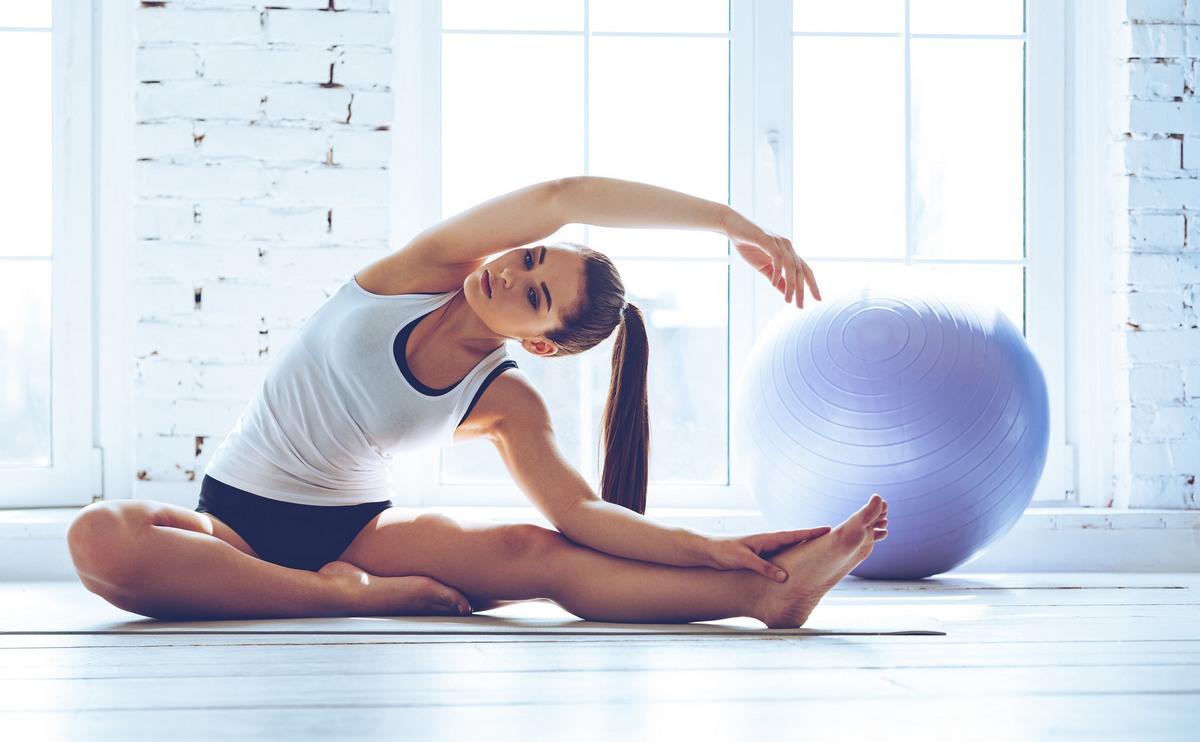
Stretching consists of exercises designed to lengthen muscles and connective tissues, thereby increasing flexibility and the range of motion in joints. They are mainly classified into two categories: static stretching, which involves holding a position for a period of time, and dynamic stretching, which involves controlled, repetitive movements.

The Myth of Injury Prevention
One of the most widespread beliefs about stretching is that it helps prevent injuries, especially before sports activity. However, several studies have shown that static stretching performed before exercise does not significantly reduce injury risk. In fact, some studies have suggested that static stretching before exercise may even decrease muscle strength and power, potentially increasing the risk of injury.

Controversy Over Sports Performance
Another common myth is that stretching improves sports performance by increasing flexibility and mobility. While stretching can temporarily increase flexibility, it is unclear if this translates into improved performance. In fact, some studies suggest that static stretching before intense physical activity can reduce muscle strength and jumping ability, which could negatively impact performance.

Limited Evidence on Pain Relief
Stretching is often recommended as a way to relieve muscle pain and improve function in people suffering from certain conditions, such as chronic lower back pain. Although some studies have shown promising short-term pain reduction, the overall evidence supporting stretching as an effective pain relief method is limited and inconclusive.

What to Do Instead of Stretching?
Rather than focusing exclusively on stretching, scientific evidence suggests that other approaches might be more effective for improving sports performance and preventing injuries. For example, dynamic warm-ups—which involve controlled, active movements that mimic the upcoming sport or physical activity—have proven more beneficial for performance and injury prevention than static stretching.

Conclusion
In summary, although stretching has been widely accepted for a long time, the scientific evidence on its effectiveness is mixed and, in many cases, insufficient. Static stretching before exercise does not appear to offer significant benefits in injury prevention or sports performance enhancement. Instead, it is recommended to focus on dynamic warm-ups and specific exercises tailored to individual needs and goals.

It is important to remember that before starting any exercise or stretching program, consulting a healthcare professional, such as a physiotherapist or certified trainer, is advised to obtain personalized and safe guidance. Science continues to study the effects of stretching on the human body, and our understanding of its role in health and performance may continue to evolve in the future.

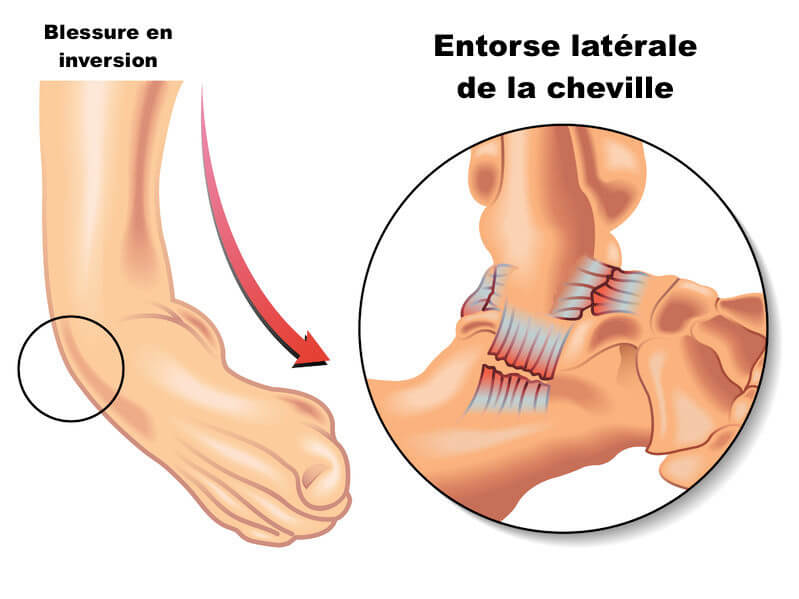
Ankle Sprain: Causes, Symptoms, Treatment, and Prevention

An ankle sprain is a common injury that affects people of all ages and activity levels. It occurs when the ligaments connecting the bones of the ankle stretch or tear due to a twist or sudden movement. This injury can vary in severity, ranging from mild strains to complete ligament tears. In this article, we will explore the causes, symptoms, treatments, and preventive measures for ankle sprains.

Causes:
An ankle sprain typically happens when the foot suddenly rolls inward or outward, putting excessive pressure on the ankle ligaments. This can occur during sports activities, walking on uneven terrain, tripping, or simply taking a wrong step.

Symptoms:
Typical symptoms of an ankle sprain include sharp pain, swelling, bruising, difficulty moving the ankle, tenderness to touch, and in severe cases, instability when bearing weight. It is essential to seek medical care if the pain is severe, if there is an obvious deformity, or if you are unable to bear weight on the ankle.

Grades of Sprain:
Ankle sprains are classified into three grades based on severity:

  • Grade I: Mild ligament stretch.
  • Grade II: Moderate stretch and partial ligament tear.
  • Grade III: Complete ligament tear, leading to ankle instability.

Treatment:
Proper treatment is crucial for full recovery and to prevent long-term complications. The following steps can aid recovery:

  • Rest and Protection: Rest the ankle and avoid activities that worsen the injury. Using braces or bandages can provide additional support and protection.
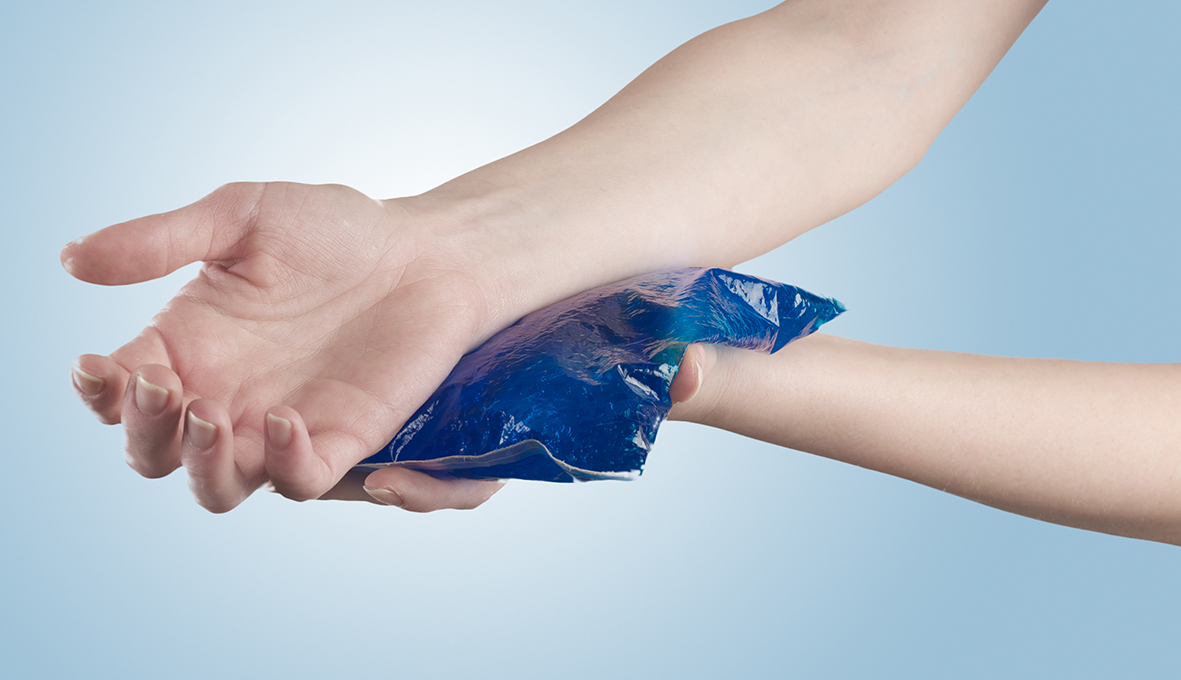
  • Ice: Apply ice to the affected area for 20 to 30 minutes every 2 to 3 hours during the first few days to reduce swelling and pain.
  • Compression: Use a compression bandage to control inflammation and stabilize the ankle.
  • Elevation: Keep the ankle elevated above heart level while resting to reduce swelling.
  • Medications: Over-the-counter pain relievers, such as ibuprofen, can help reduce pain and inflammation when taken as directed.
  • Rehabilitation: Once swelling and pain decrease, start a program of exercises and physical therapy to strengthen the ligaments and restore mobility.

Prevention:
To prevent ankle sprains, consider these preventive measures:

  • Warm-up: Perform warm-up exercises before engaging in sports or intense physical activity.
  • Proper Footwear: Wear well-fitting shoes that provide good ankle support.
  • Muscle Strengthening: Keep the muscles around the ankle strong and flexible to help prevent injuries.
  • Safe Terrain: Be cautious when walking or running on uneven or slippery surfaces.
  • Avoid Overuse: Recognize your physical limits and avoid overstraining the ankle.

Conclusion:
Ankle sprains are common but treatable injuries. With proper care and following medical advice, most people can fully recover and return to their normal activities. It is always important to seek medical attention for an accurate diagnosis and to rule out more serious injuries if an ankle sprain is suspected. Prevention also plays a key role in maintaining ankle health and integrity.

Cryotherapy in Physiotherapy: A Cold Therapy to Optimize Your Recovery

If you are looking for a natural and effective method to relieve pain, reduce inflammation, and speed up your recovery after an injury, cryotherapy in physiotherapy may be the answer you’ve been waiting for. In this article, we will explain what this therapy involves and how it can benefit you as a patient during your rehabilitation process.

What is cryotherapy in physiotherapy?

Cryotherapy in physiotherapy is a treatment that uses cold to stimulate positive responses in your body. It is applied in the form of ice, cold compresses, or even immersion in ice baths. The goal is to lower the temperature of the skin and underlying tissues, triggering a series of beneficial changes in your body.

Benefits of cryotherapy in physiotherapy:

  • Pain relief: Applying cold to the affected area can help block pain signals, providing immediate relief and reducing the need for painkillers.
  • Inflammation reduction: Cryotherapy decreases inflammation by constricting blood vessels and reducing blood flow to the injured area. This is especially useful for acute injuries or chronic inflammation.
  • Accelerated recovery: Cold stimulates blood circulation and increases the supply of oxygen and nutrients to damaged tissues. This promotes cell regeneration and speeds up the healing process.
  • Reduction of muscle spasms: If you suffer from muscle spasms or tightness, cryotherapy can help relax muscles and relieve tension.
  • Improved sports performance: Cryotherapy in physiotherapy is also used as part of recovery and training programs for athletes. It helps reduce muscle fatigue and accelerates recovery after intense effort.

Precautions and important considerations:

Cryotherapy in physiotherapy is not suitable for everyone. You should consult a physiotherapist to determine if this therapy is safe and beneficial for you, especially if you have circulatory problems, sensitivity to cold, or specific injuries.

It is important to follow your physiotherapist’s recommendations regarding the application of cryotherapy. Excessive cold or prolonged exposure can damage the skin and tissues.

Cryotherapy in physiotherapy can be a valuable option to relieve pain, reduce inflammation, and speed up your recovery. As a patient, it is essential to work closely with a qualified physiotherapist who can guide you and personalize the treatment according to your specific needs. Don’t hesitate to explore this refreshing therapy and enjoy its benefits on your path to an active and healthy life.

Photobiomodulation Laser Therapy

A Light Towards Healing

Photobiomodulation laser therapy, also known as light therapy or low-level laser therapy, is an innovative approach in the fields of medicine and physiotherapy. This technique uses light to stimulate biological processes and promote healing in various health conditions. In this article, we will explore what photobiomodulation laser therapy is, how it works, and the benefits it can offer.

What is Photobiomodulation Laser Therapy?

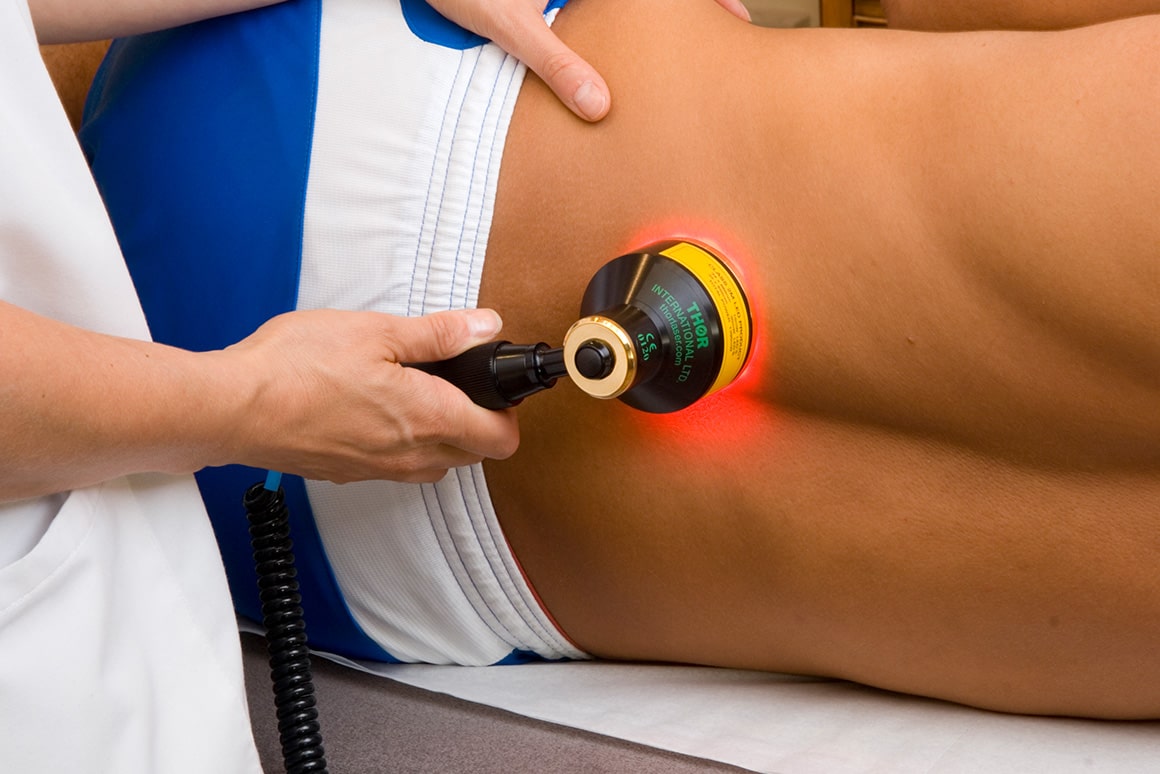
Photobiomodulation laser therapy is a non-invasive treatment that uses low-intensity light to interact with the body’s cells. It is based on the idea that light can trigger biochemical responses within cells, which in turn can promote healing and relieve pain.

How Does It Work?

During photobiomodulation laser therapy, low-intensity light is applied to the area of the body being treated. This light penetrates the layers of the skin and is absorbed by the mitochondria in the cells. Mitochondria are the “powerhouses” of the cells and play a crucial role in cellular energy production.

When the mitochondria absorb the light, a series of biochemical reactions occur, triggering a cascade of events within the cells. This can include the release of nitric oxide, stimulation of ATP (adenosine triphosphate) production, and modulation of cellular activity.

Benefits of Photobiomodulation Laser Therapy:

  • Pain Relief: Photobiomodulation laser therapy has been successfully used to relieve pain in a wide variety of conditions, such as sports injuries, arthritis, back pain, and chronic pain. The light helps reduce inflammation, stimulates the release of endorphins (the body’s natural painkillers), and promotes tissue regeneration.
  • Promotion of Wound Healing: The laser can accelerate the wound healing process by stimulating the growth of healthy cells and improving blood circulation in the affected area. This can be beneficial for postoperative wounds, diabetic ulcers, and burns.
  • Reduction of Inflammation: Photobiomodulation laser therapy helps reduce inflammation by modulating the immune response and decreasing the release of inflammatory substances. This can be useful in conditions such as arthritis, tendinitis, and bursitis.
  • Improvement of Muscle Function: Low-level laser can help improve muscle function by stimulating ATP production, the fuel necessary for muscle contraction. This can benefit athletes and individuals looking to enhance physical performance.
  • Acceleration of Sports Recovery: Athletes use photobiomodulation laser therapy to speed up the recovery of muscle injuries, sprains, and strains. The laser light can help reduce recovery time and promote tissue regeneration.

It is important to note that photobiomodulation laser therapy should be performed by qualified professionals using high-quality equipment. Each treatment session may vary in duration and frequency depending on the condition being treated and the individual needs of the patient.

Conclusion

Photobiomodulation laser therapy is a promising technique that uses light to stimulate healing and relieve pain. This non-invasive therapy offers a wide range of benefits for various health conditions and is used both in medical and physiotherapy settings. If you are considering photobiomodulation laser therapy, make sure to consult with a qualified healthcare professional to ensure it is safe and appropriate for your specific situation.