
The surgery is done, the hard part feels like it should be over, and then reality sets in. The arm is in a sling, movement is limited, and it’s not entirely clear what happens next or how long it will take to get back to normal. Recovery after shoulder surgery, whether it’s a rotator cuff repair, a stabilisation procedure, or a joint replacement, follows a fairly predictable path, but it’s a longer process than most people expect, and rushing it tends to backfire.
What are the general stages of recovery?
Most shoulder surgeries follow a similar overall structure, though exact timelines vary by procedure and surgeon protocol.
- Protection phase (roughly weeks 0-6): the arm is usually in a sling, and the priority is protecting the repair while gently preventing complete stiffness with passive movement guided by a physiotherapist
- Early mobility phase (roughly weeks 6-12): the sling comes off, active movement gradually increases, and gentle strengthening begins once the tissue has had time to heal
- Strengthening phase (roughly months 3-6): progressive loading builds the strength and control needed for daily tasks, gym work, or sport
- Return to full activity (roughly months 6-12): heavier, more demanding, or overhead activities are reintroduced based on strength testing rather than just how long has passed
These ranges shift depending on the specific procedure, so it’s worth following the individual protocol your surgeon and physiotherapist set for you rather than comparing timelines with someone else’s experience.
Why does physiotherapy matter so much after surgery?
Surgery repairs or reconstructs the structure, but it doesn’t restore movement, strength, or coordination on its own. Left immobile for too long, a shoulder stiffens quickly and can develop scar tissue that limits range of movement permanently. Pushed too hard too soon, a fresh repair can be damaged before it’s had time to heal into the bone. Physiotherapy exists to walk that line carefully, applying just enough controlled stress at each stage to encourage healing and prevent stiffness, without compromising the repair.
What does a typical session look like?
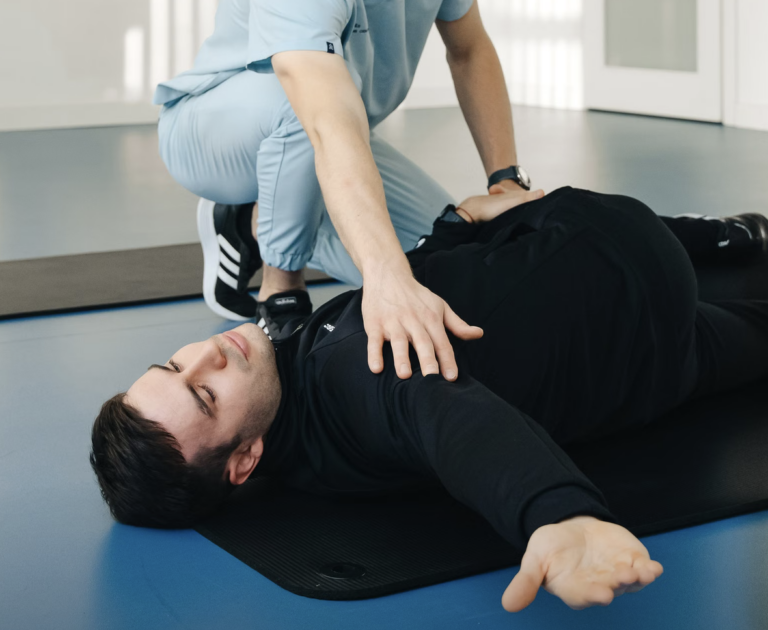
Early on, sessions focus on gentle passive movement of the shoulder, hands-on techniques to manage swelling and pain, and exercises for the elbow, wrist and hand to prevent them stiffening up while the shoulder itself is protected. As healing progresses, sessions shift toward active exercises, strengthening the rotator cuff and shoulder blade muscles, and eventually functional movements that mimic what you actually need the shoulder for, whether that’s reaching overhead at work, swimming, or lifting weights again.
What slows recovery down?
- Skipping the early passive movement work out of caution, which allows unnecessary stiffness to set in
- Doing too much too soon because the shoulder “feels fine”, which can strain a repair that isn’t fully healed
- Inconsistent attendance at physiotherapy, since recovery depends on steady, cumulative progress rather than occasional sessions
- Not managing pain well enough to actually do the prescribed exercises
When can I expect to feel “normal” again?
Most people regain comfortable use of the shoulder for everyday tasks within three to four months, though full strength, particularly for overhead sport or heavy lifting, often takes six months to a year depending on the procedure. It’s a slow curve rather than a switch that flips, and most people notice steady week-by-week improvement rather than one dramatic turning point.
Frequently asked questions
When can I start physiotherapy after shoulder surgery?
Usually within the first week or two, though the type of work done depends entirely on the surgeon’s specific protocol for your procedure.
How long will I need the sling?
This varies by procedure, but it’s commonly between two and six weeks. Your surgeon’s instructions take priority over general timelines you might read elsewhere.
Is pain during rehab normal?
Some discomfort during and after exercises is expected as movement is restored, but sharp or worsening pain should always be reported to your physiotherapist or surgeon rather than pushed through.
Can I drive again after shoulder surgery?
Only once you have enough pain-free control of the arm to perform an emergency stop safely, which your physiotherapist can help you judge, and typically not while still in a sling.
Will my shoulder ever feel completely normal again?
Most people regain very good function, though a small percentage of stiffness or awareness of the shoulder in extreme positions can persist, especially after larger repairs. Consistent rehab gives you the best chance of a full recovery.
If you’ve had shoulder surgery, or are preparing for it, structured physiotherapy that blends manual therapy with graded exercise from early on makes a real difference to how well and how fast you recover. You can book a session here.
Want to live longer, and feel better while doing it?
Twice a week I share practical, physiotherapy-backed insights on longevity, movement and healthspan — no fads, just what actually works.
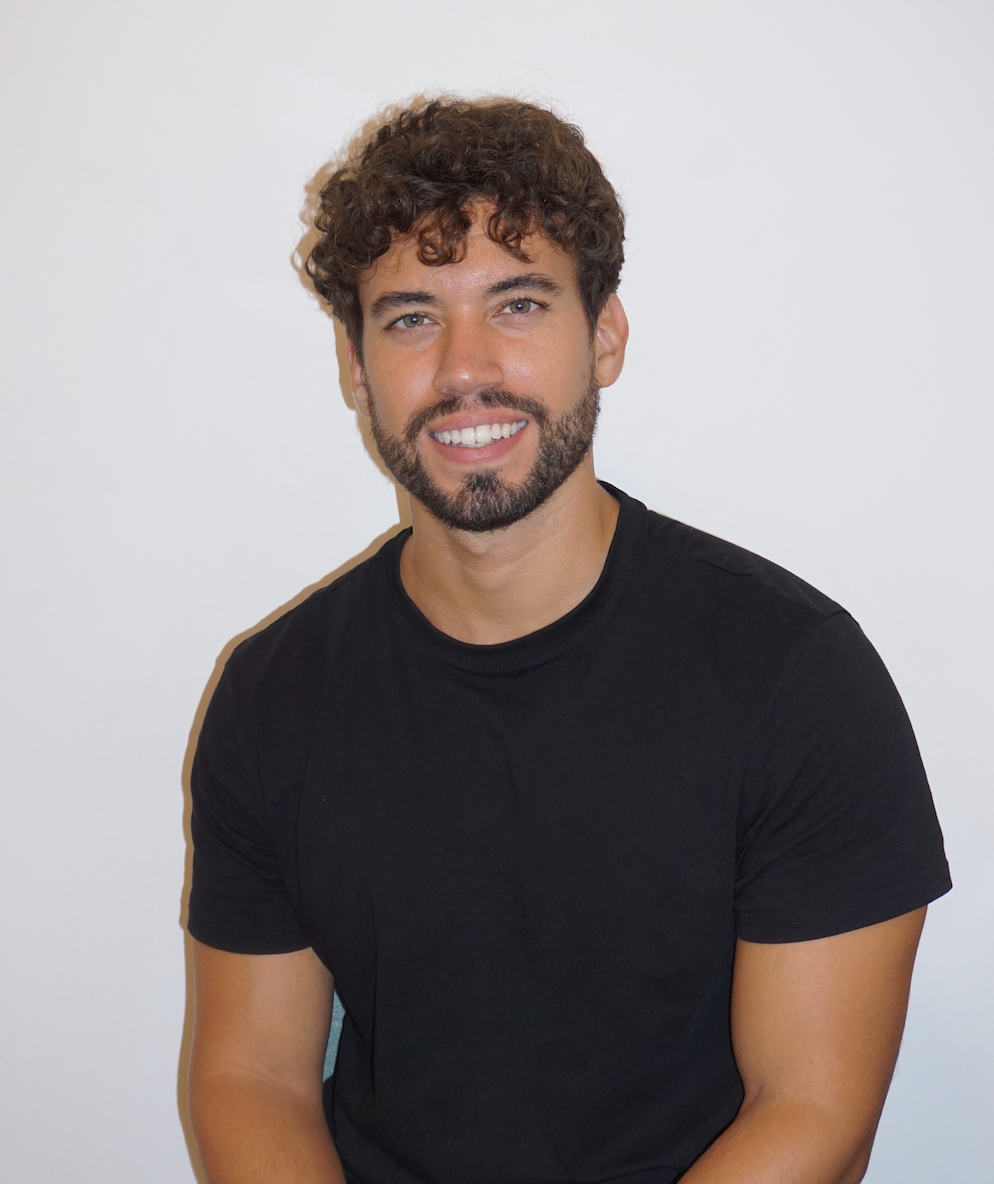
Marcos Jusdado is a physiotherapist and osteopath at Kinesis Clinic, Vida Emirates Hills, in the heart of Dubai. With 9 years of experience and over 12,000 sessions, he specialises in sport physiotherapy, functional neurology (P-DTR), vestibular rehabilitation and chronic pain, working with everyone from busy professionals to competitive athletes. His approach focuses on finding the root cause of pain rather than just treating the symptoms, helping his patient to achieve long-lasting results.